Southern Russia is grappling with a major environmental emergency after April strikes on oil facilities in Tuapse triggered fires and coastal pollution near Sochi, with residents reporting “black rain” of soot and petroleum residue. The disaster now matters far beyond local cleanup, exposing wartime ecological risks, governance failures, and gaps in international accountability.
What Happened
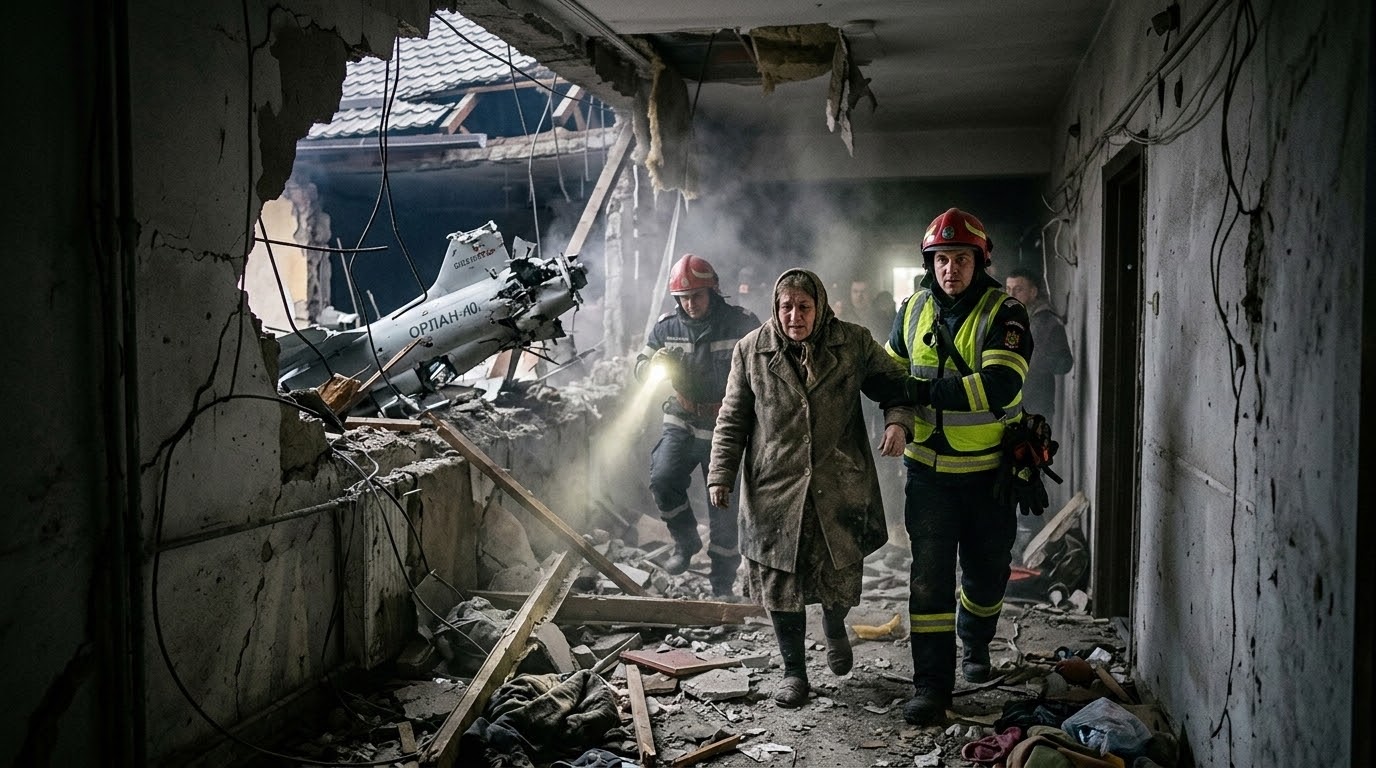
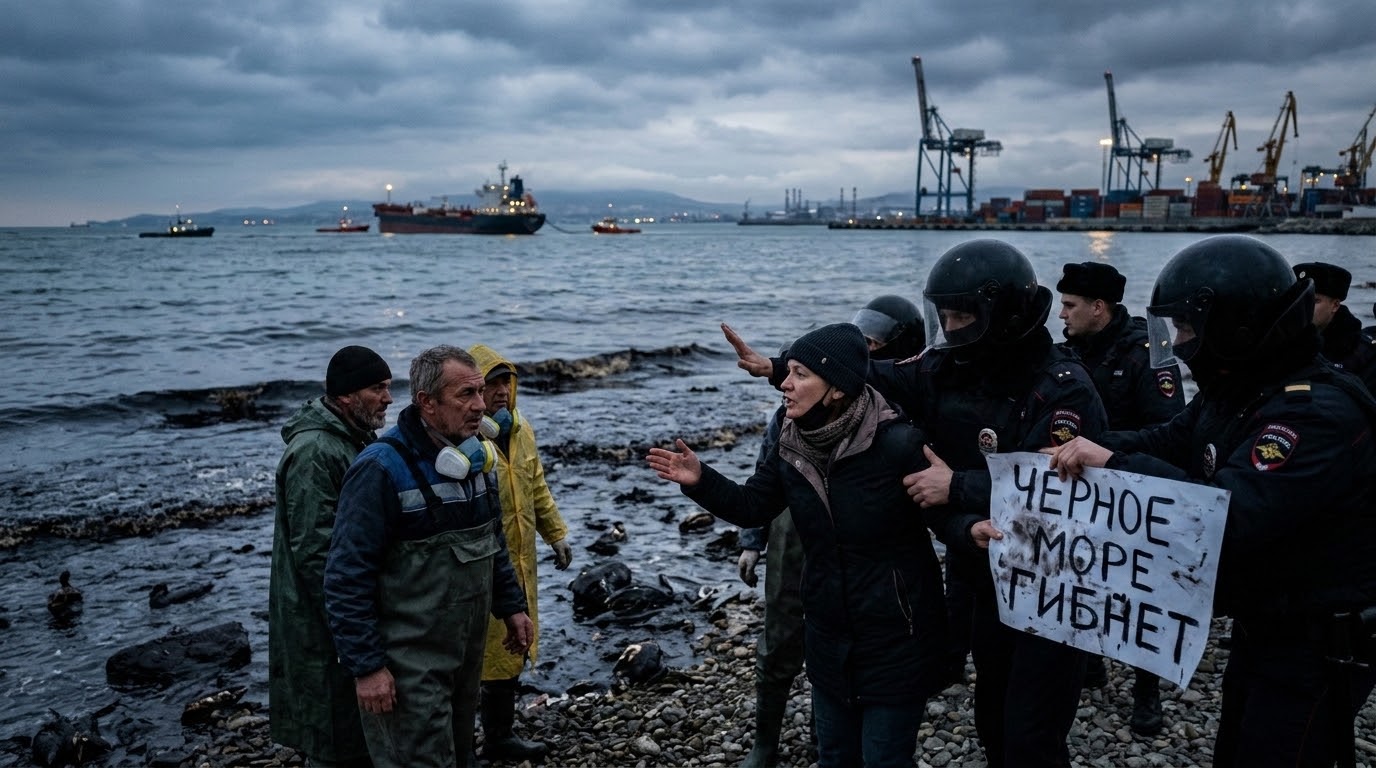
In April, repeated Ukrainian attacks hit oil infrastructure in Tuapse, a strategic Black Sea port city in Russia’s Krasnodar region. The strikes caused large refinery fires and oil contamination along nearby shoreline areas, with smoke plumes and residue spreading across coastal communities. Residents described dark precipitation linked to airborne pollution from burning petroleum products, while local reports indicated sustained environmental damage weeks after the initial incidents.
The affected zone includes stretches of the Black Sea coast near Sochi, one of Russia’s most prominent resort areas. Volunteers and local activists involved in beach and wildlife response operations said seabirds and marine life were still being found in distress well after the fires. They also reported that cleanup efforts were inconsistent and, in some cases, obstructed. Journalists trying to document field conditions were reportedly detained, according to accounts circulating through Russian-language social media.
At the same time, officials have discussed reopening beaches and proceeding with the tourist season despite unresolved contamination concerns. Critics inside Russia say the state response has focused more on controlling information than on full public disclosure of health and environmental risks. Much of the most active public discussion has shifted online, including on Instagram, which remains blocked in Russia and is often accessed through VPN services.
Impact & Consequences
The immediate consequences are ecological and public health-related: polluted coastlines, prolonged wildlife mortality, and anxiety among residents and seasonal workers in a region dependent on tourism income. If beaches reopen before transparent independent assessments, local trust in authorities could weaken further. The episode also raises operational concerns for responders, as volunteer groups report harassment and limited institutional support while handling hazardous cleanup conditions.
Politically, the disaster has intensified a difficult argument over wartime targeting and environmental harm. Some activists accuse Ukraine of hypocrisy, noting Kyiv’s support for recognizing ecocide as an international crime while strikes on fuel infrastructure can produce long-lived damage. Others argue the attacks cannot be isolated from Russia’s war economy, where oil logistics underpin military capacity. The result is a widening debate about proportionality, responsibility, and whether existing legal frameworks can address environmental destruction during armed conflict.
Background & Context
Analysts and activists say the current crisis reflects deeper structural weaknesses rather than a single incident. For years, environmental oversight in Russia has been eroded by deregulation, pressure on watchdog groups, and tighter controls on civil society. Multiple organizations have been designated “foreign agents” or banned as “undesirable,” while independent campaigners have been marginalized, prosecuted, or pushed into exile. In that setting, ecological accidents are often underreported and politicized rather than openly investigated.
Those trends have reportedly accelerated during the full-scale war, as economic and legal priorities shifted toward sustaining industrial output tied to the conflict. Critics point to recent legislative changes affecting protections around Lake Baikal, home to roughly 23 percent of the planet’s unfrozen freshwater, as a sign of broader rollback risks. Activists also link present-day extraction patterns to longer histories of centralized control over resource-rich regions, including long-standing grievances from Indigenous communities and decolonial movements in Russia’s national republics.
International Response
The Black Sea pollution episode has revived calls for stronger global mechanisms to investigate and prosecute severe wartime environmental damage. The issue gained urgency after the destruction of the Kakhovka Dam, which caused vast ecological loss but did not produce sustained international legal accountability. Experts say that case, and now southern Russia’s refinery-related contamination, highlight how environmental impacts are frequently overshadowed by military and geopolitical narratives.
International attention remains uneven. While governments in Europe continue prioritizing defense and security responses to Russia’s war, activists argue that internal ecological governance failures inside Russia receive far less policy focus. Some NGOs and international institutions have reduced work related to Russia’s environmental and human rights landscape, contributing to shrinking expertise at a time when monitoring, independent verification, and long-term remediation planning are increasingly needed.
What to Expect Next
The next phase will likely center on three unresolved questions: whether authorities permit transparent environmental assessment, whether cleanup operations expand with meaningful protection for volunteers and journalists, and whether beaches reopen despite contamination concerns. The broader legal debate over wartime ecocide is also set to intensify, as the Black Sea fallout becomes another test case for how the international system handles environmental destruction linked to armed conflict.