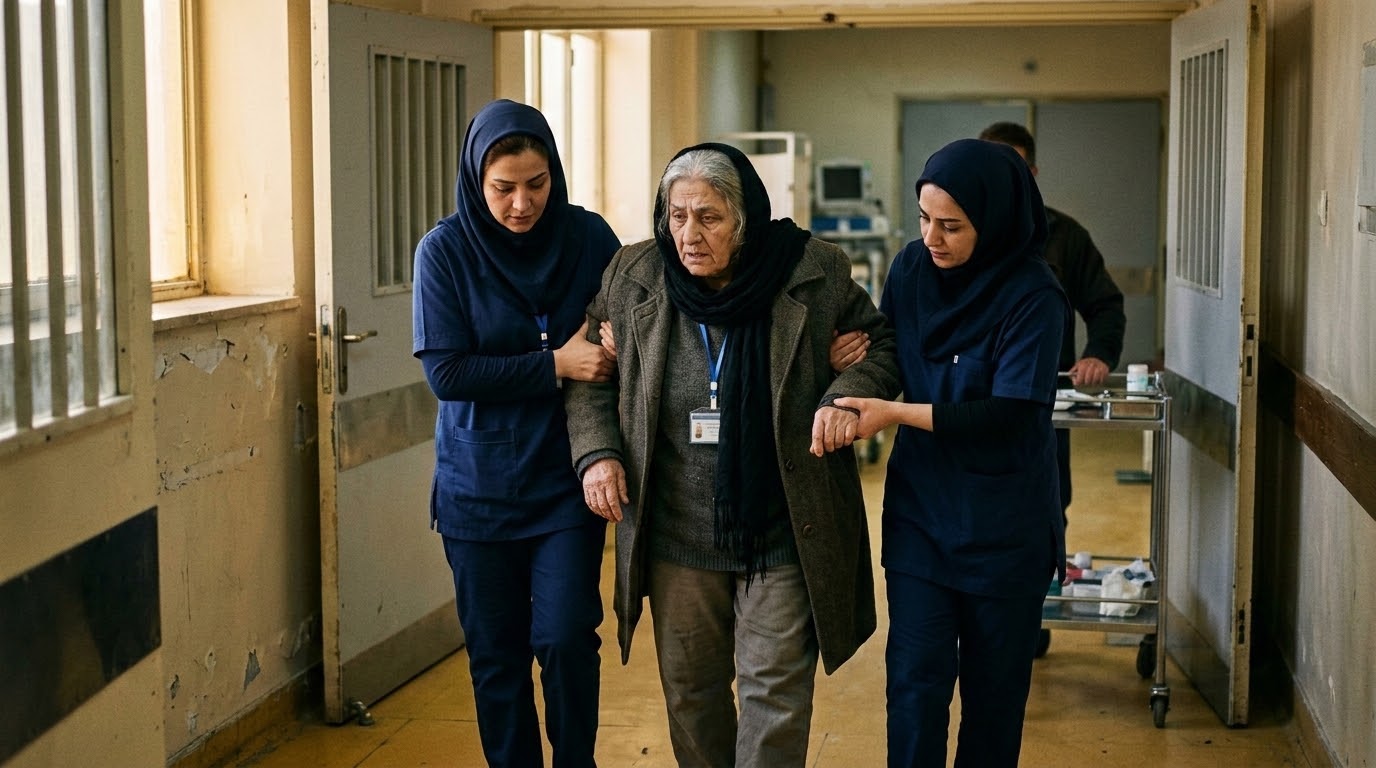
Iranian Nobel Peace Prize recipient Narges Mohammadi has been transferred from detention to a hospital in Tehran after authorities granted a temporary sentence suspension on heavy bail, her family foundation said Sunday. The move follows urgent warnings from relatives and supporters that her health had sharply worsened and that continued imprisonment could be life-threatening.
What Happened
The Narges Mohammadi Foundation, run by her family, said the 54-year-old rights activist is now being treated at Tehran Pars Hospital by her own doctors. Before the transfer, she had spent 10 days at a hospital in Zanjan, roughly 265 kilometers northwest of the capital, where she had been serving her prison term.
Her brother, Hamidreza Mohammadi, speaking to the BBC from Oslo, described the transfer as a crucial but temporary reprieve. He said the family was relieved she could finally receive care from a medical team familiar with her case, while cautioning that it remained too early to assess the full extent of her condition. He added that she had shown severe symptoms consistent with possible variant angina, a condition involving sudden coronary artery spasms that can reduce blood flow to the heart.
Relatives and legal representatives have painted a stark picture of her physical decline. According to lawyer Chirinne Ardakani, Mohammadi has reportedly lost around 20 kilograms in prison and has had difficulty speaking. Her Paris-based husband, Taghi Rahmani, said in a statement that a short-term transfer was insufficient, arguing she should not be sent back to detention conditions that, in his words, destroyed her health.
Impact & Consequences
Mohammadi’s transfer is likely to intensify scrutiny of Iran’s treatment of political detainees, especially high-profile human rights defenders. Her case carries symbolic weight far beyond Iran because she is one of the country’s best-known critics of state repression and was awarded the 2023 Nobel Peace Prize for campaigning against the oppression of women and for broader civil liberties.
The immediate legal consequence is a pause in incarceration rather than a full release. Her family and foundation say she still faces 18 years on remaining sentences, and they argue that returning her to prison could cause irreversible harm or death. The medical emergency also raises wider concerns for other detainees whose families say serious illness and delayed treatment are common in Iran’s prison system. For Tehran, the case presents a reputational challenge at a time when its human rights record is already under sustained international criticism.
Background & Context
Mohammadi, vice-president of Iran’s Defenders of Human Rights Center, has spent more than a decade in and out of prison. In 2021, she began serving a 13-year sentence linked to charges including anti-state propaganda and collusion against national security, allegations she rejected. In early February this year, her lawyer said a Revolutionary Court imposed an additional seven-and-a-half-year sentence after convictions on gathering and collusion, as well as propaganda-related charges.
Her legal troubles have unfolded alongside wider unrest and state crackdowns. Iranian authorities arrested her last December after what they described as provocative remarks at a memorial event; her family said she was beaten during that arrest and later hospitalized. Weeks later, nationwide protests against the clerical establishment spread across Iran, followed by a sweeping security response. Human rights activists have said thousands of demonstrators were killed and tens of thousands detained. Mohammadi had also previously received a temporary medical release from Tehran’s Evin prison in December 2024.
International Response
Although no new formal government statements were detailed in Sunday’s update, Mohammadi’s medical transfer is expected to renew international concern from rights groups, lawmakers, and Nobel-linked advocacy networks that have repeatedly urged Iran to free her. The foundation’s latest statement said suspension of her sentence was not enough and demanded both permanent access to specialized treatment and the removal of all charges tied to her peaceful activism.
Her relatives are now framing the issue in humanitarian rather than purely legal terms, warning that any return to prison could be fatal. That message is likely to resonate with international organizations already focused on prison conditions in Iran and on the treatment of women’s rights campaigners. Her husband and brother have both called for sustained external pressure to ensure authorities do not reverse the medical reprieve once immediate treatment ends.
What to Expect Next
The next phase will center on medical assessments in Tehran and whether Iranian authorities extend or revoke Mohammadi’s temporary suspension. Her family expects updates from her doctors in the coming days, while continuing to demand unconditional release and dismissal of charges. The key unresolved question is whether the state treats this as a short medical interruption or a turning point in a case that has become a global test of Iran’s human rights commitments.