Oil markets swung sharply after United States and Iranian forces exchanged fire in the Strait of Hormuz, pushing a fragile April 7 ceasefire toward collapse. Brent crude briefly surged 7.5 percent on Thursday, underscoring how quickly military incidents in the narrow waterway can ripple through global energy prices and financial markets.
What Happened
Trading in crude futures turned highly volatile after reports of direct hostilities between Washington and Tehran near one of the world’s most critical shipping lanes. Brent, the main international benchmark, climbed to an intraday high of $103.70 per barrel before retreating as Asian trading resumed early Friday. By 03:00 GMT, the contract stood at $101.12, still elevated and reflective of heightened geopolitical risk.
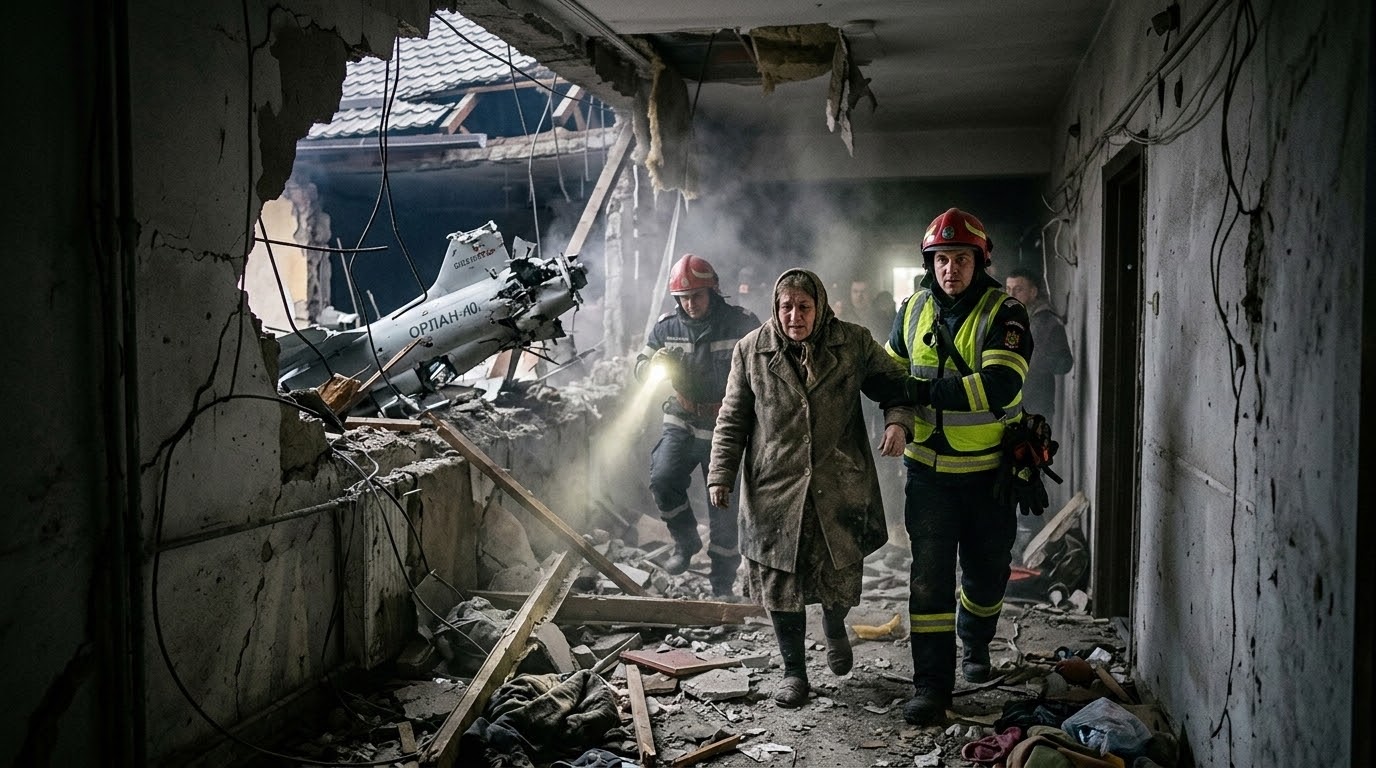
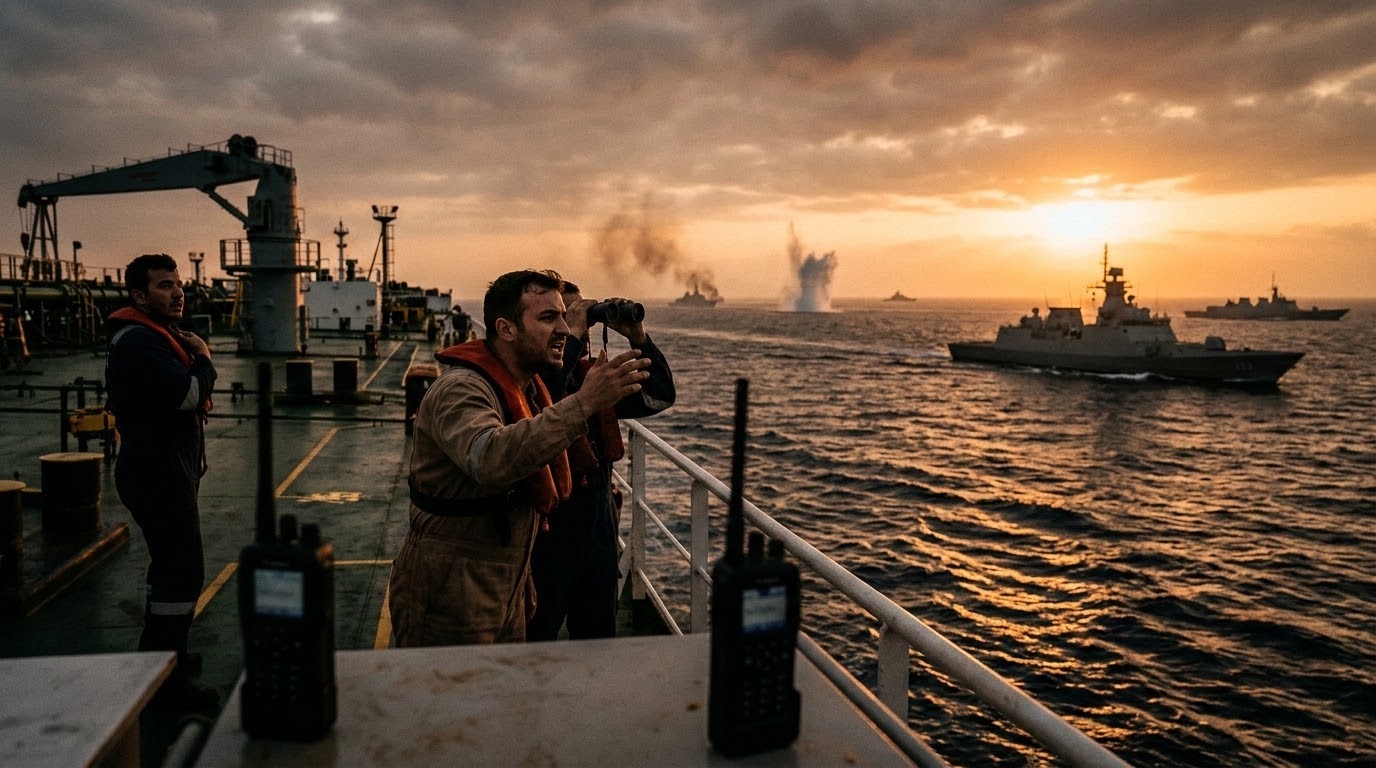
The US military said the escalation followed attacks on American naval assets. According to US Central Command, three US Navy guided-missile destroyers operating in or near the strait came under assault from Iranian missiles, drones and small boats, prompting US strikes on Iranian targets. Iranian authorities offered a sharply different account. Tehran’s Khatam al-Anbiya Central Headquarters accused the United States of breaching the ceasefire first by striking an Iranian oil tanker and another vessel in the same maritime zone.
Iranian military officials also alleged that US operations hit civilian locations, including Qeshm Island. Despite the exchange, both sides signaled publicly that they were not abandoning the truce outright. President Donald Trump said on Thursday that the ceasefire remained active, while Iran’s state broadcaster Press TV reported that conditions had returned to normal.
Impact & Consequences
The immediate consequence was a renewed risk premium in energy markets. The Strait of Hormuz is a chokepoint for roughly one-fifth of global oil and natural gas flows, so any combat there can rapidly push up prices, insurance costs and freight rates. Brent is now around 40 percent higher than levels seen before the war, amid an estimated production gap of 14.5 million barrels per day.
The stress spread beyond oil. Asian equities opened lower on Friday, with Japan’s Nikkei 225, South Korea’s KOSPI and Hong Kong’s Hang Seng each down more than 1 percent as investors shifted away from risk. In the United States, the S&P 500 slipped about 0.4 percent overnight after reaching a record high a day earlier, suggesting conflict-related uncertainty is beginning to challenge broader market optimism.
Background & Context
The latest clash unfolded against an already unstable security backdrop in the Gulf. Although Washington and Tehran announced a ceasefire on April 7, incidents at sea and competing military claims have repeatedly strained that arrangement. The Strait of Hormuz has long been viewed as one of the world’s most vulnerable energy arteries, where even limited confrontations can trigger outsized global consequences.
Shipping conditions had already deteriorated before this week’s fighting. Traffic through the strait has been near a standstill since late February as threats to large tankers increased, particularly fears of Iranian attacks on vessels carrying major volumes of global supply. That prolonged disruption, combined with battlefield risks and constrained output, has tightened market expectations and made prices more reactive to each new military report.
International Response
While no broad multilateral package of new measures was announced in the immediate aftermath, financial and energy markets delivered the first global response through higher crude pricing and lower equity valuations. Regional and international stakeholders are now watching whether shipping can normalize or whether insurers and operators further reduce voyages through Hormuz, which would deepen pressure on supply chains.
Official messaging from Washington and Tehran appeared calibrated to prevent a full diplomatic breakdown, even as each side blamed the other for initiating force. Trump’s statement that the ceasefire still stands, and Iranian state media’s assertion that conditions were stabilizing, indicated a shared interest in containing escalation publicly. However, the contradictory battlefield narratives suggest that miscalculation risks remain high.
What to Expect Next
Attention will center on naval movements in and around Hormuz, any follow-up statements from CENTCOM and Iranian command, and whether commercial tankers resume regular passage. Markets are likely to remain sensitive to each operational update, especially with Brent still near triple digits. If further incidents occur, traders and governments may prepare for prolonged supply disruption, but sustained de-escalation could quickly unwind part of the recent price spike.