A Dutch expedition cruise ship tied to a hantavirus outbreak left waters near Cape Verde on Wednesday after three people were medically evacuated, escalating cross-border health monitoring as the vessel heads for the Canary Islands with 146 people on board and several unresolved infection and mortality investigations still underway.
What Happened
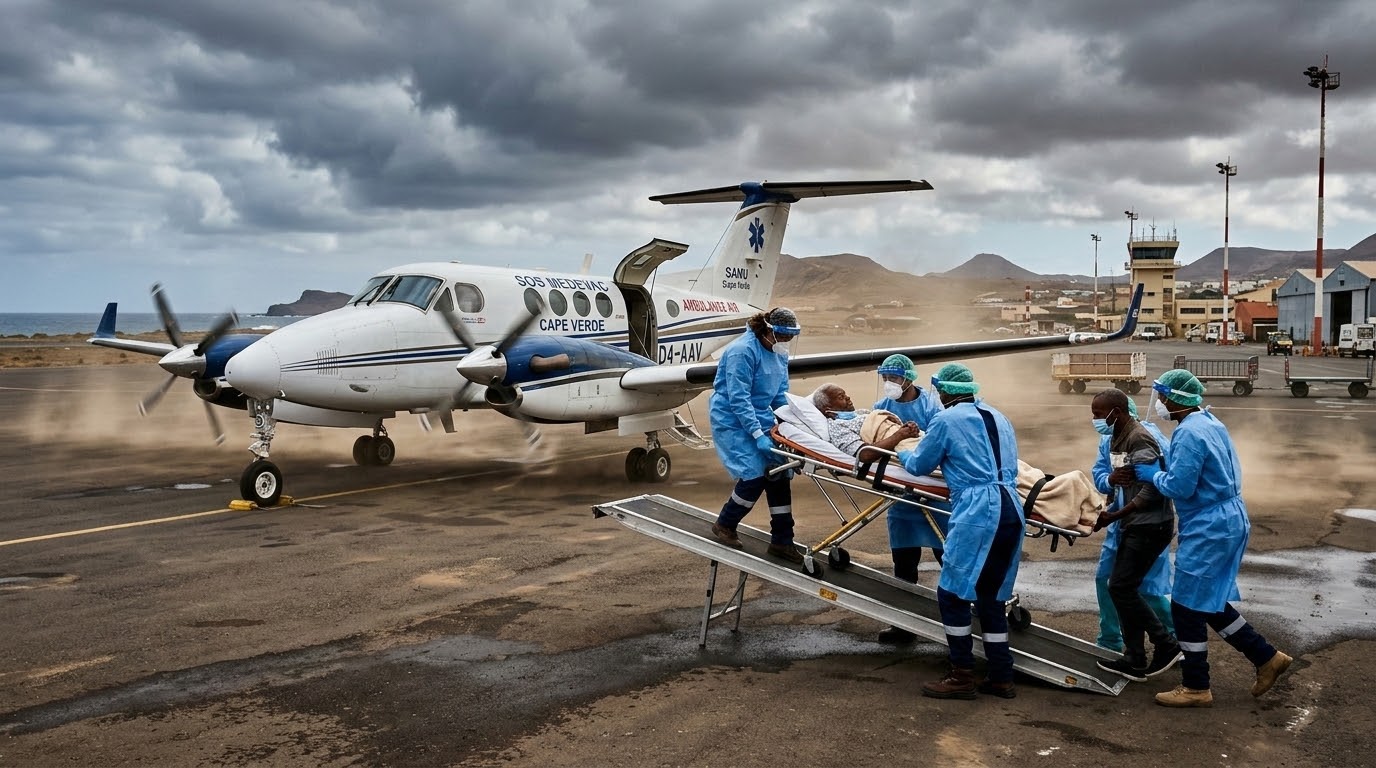
Operator Oceanwide Expeditions said a 56-year-old British man, a 41-year-old Dutch crew member and a 65-year-old German national were removed from the MV Hondius for treatment in the Netherlands. The company said two evacuees have reached a Dutch hospital, while the third remained on a delayed evacuation flight. None had tested positive at the time of the latest update, though two were showing symptoms consistent with possible infection.
The vessel, which departed Argentina roughly a month ago, has reported three deaths during the voyage. Authorities have confirmed hantavirus in one fatal case, while the two other deaths are still being examined. Oceanwide said the evacuated German passenger had close contact with a German woman who died aboard on 2 May. A separate report that the British evacuee was a doctor was later understood to be incorrect.
After remaining anchored near Cape Verde, the ship began a three-day transit to the Canary Islands with three additional medical staff now aboard. According to Spain’s health minister Mónica García, all remaining passengers and crew were asymptomatic at departure. She said arrivals in Tenerife will undergo medical evaluation, after which foreign nationals deemed fit can be repatriated. Spanish citizens from the ship are expected to be moved to a military hospital in Madrid for quarantine.
Impact & Consequences
The incident has triggered a complex public health and political challenge spanning multiple countries and transport systems. The World Health Organization has identified eight total hantavirus cases tied to the ship so far, including three confirmed and five suspected, increasing pressure on authorities to complete onboard testing and map close contacts in several jurisdictions. The presence of potentially exposed travelers from 23 countries has widened the operational burden for national health agencies.
In Spain, the ship’s planned arrival has exposed friction between central and regional authorities. The Canary Islands’ president, Fernando Clavijo, publicly objected to allowing the vessel to enter, arguing that the decision lacked sufficient technical explanation and consultation. Madrid has insisted safeguards are in place and said disembarkation plans are designed to avoid contact with island residents. The dispute illustrates how maritime outbreaks can quickly become political flashpoints, even when officials assess risk to the wider public as low.
Background & Context
Hantavirus infections are commonly associated with contact with rodents or contaminated environments. However, investigators are focusing on whether limited person-to-person spread occurred in this outbreak among individuals in close physical contact. WHO official Dr Maria Van Kerkhove said transmission dynamics differ markedly from respiratory viruses such as influenza or COVID-19, emphasizing that casual proximity is not considered the main pathway in this situation.
Laboratory findings cited by South African authorities indicate the Andes strain in two confirmed patients. That variant, known in parts of Latin America where the cruise originated, has previously shown the capacity for human-to-human transmission in specific conditions. One Dutch woman left the ship in St Helena on 24 April and later died in South Africa on 26 April after traveling onward; officials are tracing contacts from her route, including a Johannesburg-Amsterdam KLM flight she briefly boarded before crew stopped her from continuing because of her condition. Her husband died aboard earlier but has not been confirmed as a hantavirus case.
International Response
WHO personnel and infectious disease specialists are traveling with the ship to support onboard controls and coordinate next steps with Spanish authorities. The UK Health Security Agency said two British nationals who had left the vessel earlier are self-isolating at home without symptoms after possible exposure. Dutch, Spanish and South African health bodies are all involved in diagnostics and tracing linked to passengers, crew and transit contacts.
South Africa’s National Institute for Communicable Diseases conducted testing that helped identify the Andes strain, while European health agencies are preparing hospital and repatriation pathways. Officials across countries have consistently stressed that broader community risk remains low, but they continue to prioritize rapid detection of close-contact cases. The remaining unresolved causes of two deaths, including one body still aboard, keep the investigation active and internationally sensitive.
What to Expect Next
The immediate focus is the ship’s arrival in Tenerife, where all people on board are expected to undergo medical screening before onward movement. Further laboratory results will determine whether suspected cases are confirmed and whether additional contacts require isolation. Authorities are also expected to continue tracing linked flights and ports from earlier legs of the voyage, while Spain manages regional concerns over disembarkation and quarantine logistics.