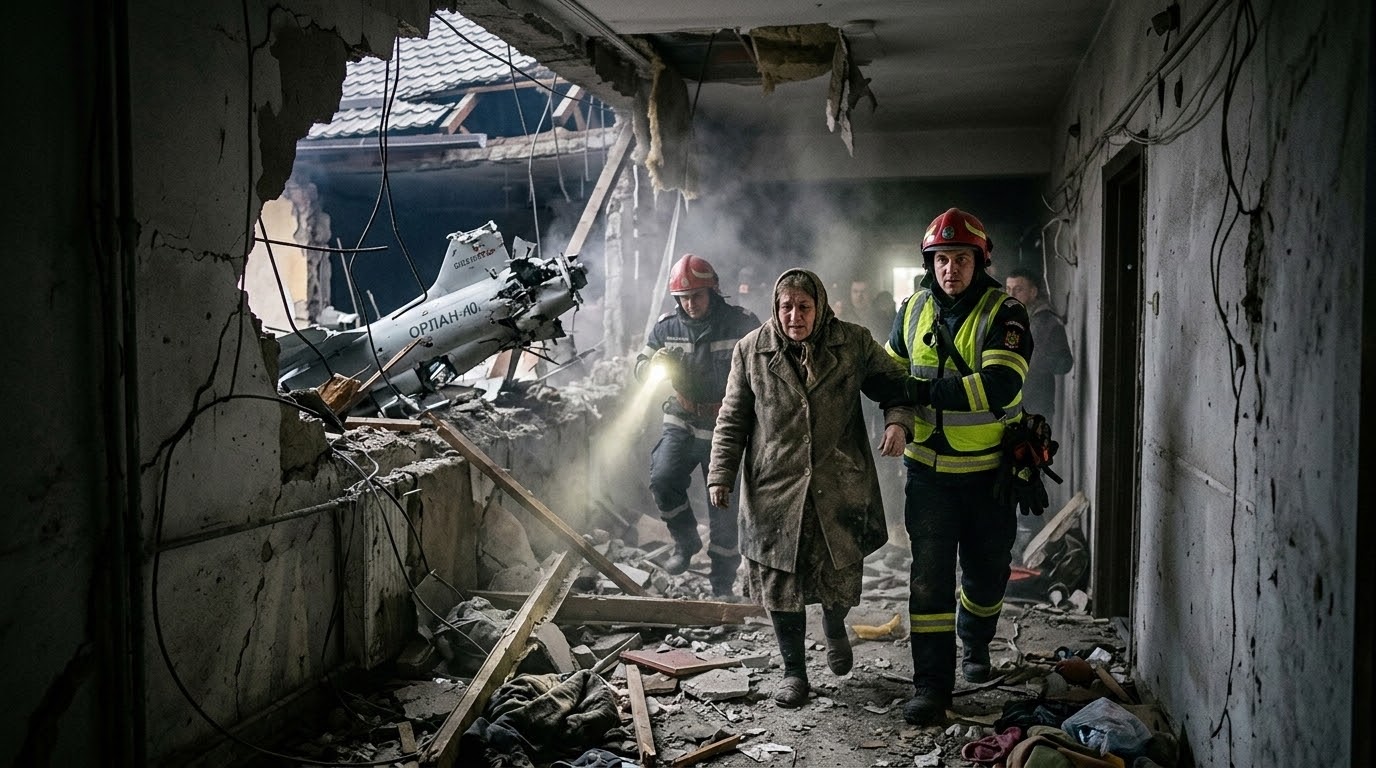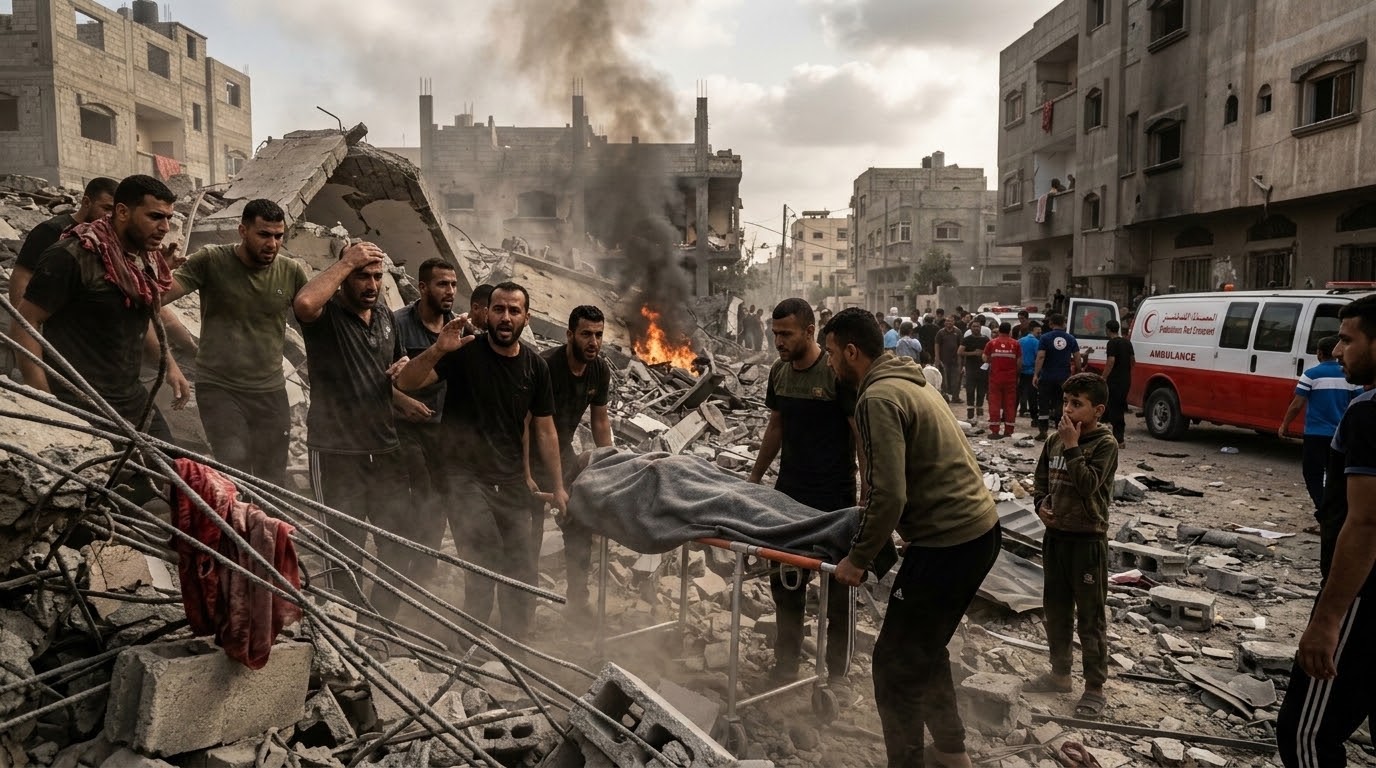
A Palestinian man was killed and several others were injured on Saturday when an Israeli drone struck a motorcycle west of the Jabalia refugee camp in northern Gaza, according to local medical and witness accounts. The latest attack adds to reported breaches of the October ceasefire and highlights the deteriorating security environment across the enclave.
What Happened
Medical sources in Gaza identified the man killed in the strike as Eyad al-Motawwaq, Anadolu Agency reported. The same sources said multiple people were wounded, though an exact figure was not immediately released. Witnesses told Anadolu that the drone hit occurred west of Jabalia, in an area they said lies outside the zones where Israeli ground forces are currently deployed under the truce framework.
On the same day, Israeli shelling was also reported in eastern parts of Gaza City’s Tuffah neighborhood. No deaths or injuries were immediately confirmed from that incident. The sequence of attacks followed another strike reported a day earlier near Shati Camp in Gaza City. Al Jazeera correspondent Tariq Abou Azzoum said that location had been marked within an Israeli-designated “green line,” presented as an area intended to be safer for civilians. At least four people were injured in that earlier strike.
Gaza’s Health Ministry said late Saturday that at least four people had been killed and 15 injured across the Strip in the preceding 48 hours. The ministry added that some victims remained trapped beneath rubble as emergency crews continued rescue attempts. The figures underscore the continuing human toll despite the formal pause in large-scale hostilities announced in October.
Impact & Consequences
The latest incidents are likely to deepen civilian fear in areas previously described as less exposed to attack. Reports of strikes in or near designated safe corridors complicate movement for displaced families and can further strain already overstretched medical and rescue services. In a territory where much of the health infrastructure has been damaged, even limited casualty events can overwhelm local response capacity.
Politically, recurring violence risks further eroding trust in ceasefire mechanisms and verification arrangements. Gaza’s Health Ministry says that since the October truce began, at least 850 Palestinians have been killed and 2,433 injured in Israeli attacks. Such figures are likely to shape regional diplomacy and increase pressure on mediators, while hardening positions among parties already divided over disarmament, governance, and security control inside Gaza.
Background & Context
The war in Gaza, which intensified in October 2023, has produced catastrophic losses. According to figures cited by Gaza authorities, 72,736 people have been killed and more than 172,000 injured since the start of the campaign. Authorities also say roughly 90 percent of civilian infrastructure has been destroyed and that nearly the entire population of about two million has been displaced at least once.
Control on the ground remains fragmented and contested. Israeli forces are currently described as occupying around 60 percent of Gaza, marked by what has been referred to as a “yellow line” buffer area. At the same time, indirect talks between Israel and Hamas have stalled. Senior Israeli military officials have reportedly pushed for renewed full-scale operations, while Hamas has resisted demands to surrender weapons. On Wednesday, an Israeli airstrike killed Azzam al-Hayya, the son of Hamas negotiator Khalil al-Hayya, adding further tension to an already fragile negotiating track.
International Response
Regional diplomacy continued on Saturday as Turkish Foreign Minister Hakan Fidan met Muhammad Darwish, head of Hamas’s advisory Shura Council, in Ankara. According to sources in Turkiye’s Foreign Ministry cited by Anadolu, the two discussed efforts to secure calm in Gaza and steps to improve delivery of humanitarian aid into the territory.
During the meeting, Fidan reportedly called Israel’s expanding military footprint in Gaza and restrictions on urgently needed aid “unacceptable.” He also said the broader regional war should not sideline the Palestinian issue and reiterated Ankara’s opposition to any effort aimed at forcing Palestinians out of Gaza. The meeting signaled that, despite stalled core negotiations, external actors continue to pursue parallel diplomatic and humanitarian channels.
What to Expect Next
In the near term, attention will focus on whether mediators can prevent further escalation while restoring credibility to ceasefire arrangements. Additional scrutiny is expected over attacks in areas marked as safer zones, alongside renewed calls to expand humanitarian access. With truce talks stalled and military pressure continuing, the central questions remain whether violence can be contained and whether political dialogue can resume under more enforceable terms.