Global financial markets swung sharply on Wednesday after reports that the United States and Iran were nearing an agreement to end hostilities, with oil prices retreating and major equity indices rallying across Europe, Asia and the United States as investors priced in a possible easing of energy supply risks.
What Happened
Brent crude, the international benchmark, fell to about $97 per barrel after media reports of diplomatic progress, down from above $108 earlier in the same session, before partially recovering. The move reflected rapid repositioning by traders who had built in a wartime risk premium linked to disruption in Middle East shipping lanes. Even after the drop, oil remained far above the roughly $70 level seen before the conflict between the US-Israel alliance and Iran escalated.
Equity markets rose in parallel. London’s FTSE 100 and Germany’s DAX were both up more than 2% by mid-session, while France’s CAC 40 advanced around 3%. In the US, the S&P 500 gained just under 1%. Asian markets had already posted gains earlier on Wednesday, with South Korea’s Kospi closing 6.45% higher, Hong Kong’s Hang Seng ending up 1.22%, and Japan’s Nikkei finishing 0.38% higher.
The immediate trigger was an Axios report that Washington believes it is close to a one-page memorandum of understanding with Tehran. Citing US officials and other informed sources, the report said the draft would formally end the war and launch a 30-day negotiating period on reopening the Strait of Hormuz, constraining Iran’s nuclear program and easing US sanctions. US President Donald Trump said Tuesday he would pause “Project Freedom” briefly to allow time for an agreement to be finalized and signed.
Impact & Consequences
The market reaction highlights the central role of the Strait of Hormuz in global energy pricing. Roughly one-fifth of the world’s oil and gas shipments normally pass through the narrow channel, and weeks of effective closure have disrupted flows, raised shipping risks and pushed fuel costs higher. A credible path to reopening the route would likely reduce freight and insurance stress, temper commodity inflation and offer short-term relief to import-dependent economies.
For financial markets, the latest rally suggests investors are treating diplomacy as increasingly plausible, though not yet guaranteed. European bourses have remained below late-February levels despite Wednesday’s rebound, indicating lingering concern over regional stability and growth prospects. By contrast, the S&P 500 is still above pre-war levels, reflecting relative US market resilience. Any reversal in talks could quickly unwind the move, especially in energy-linked assets and sectors sensitive to transport costs.
Background & Context
The present phase of volatility follows months of military escalation that began after strikes from the US-Israeli side on 28 February and subsequent Iranian threats against shipping near Hormuz. Since then, oil and gas markets have repeatedly repriced the risk of prolonged disruption. A temporary ceasefire announced on 8 April caused oil to fall and stocks to jump, but that relief proved fragile.
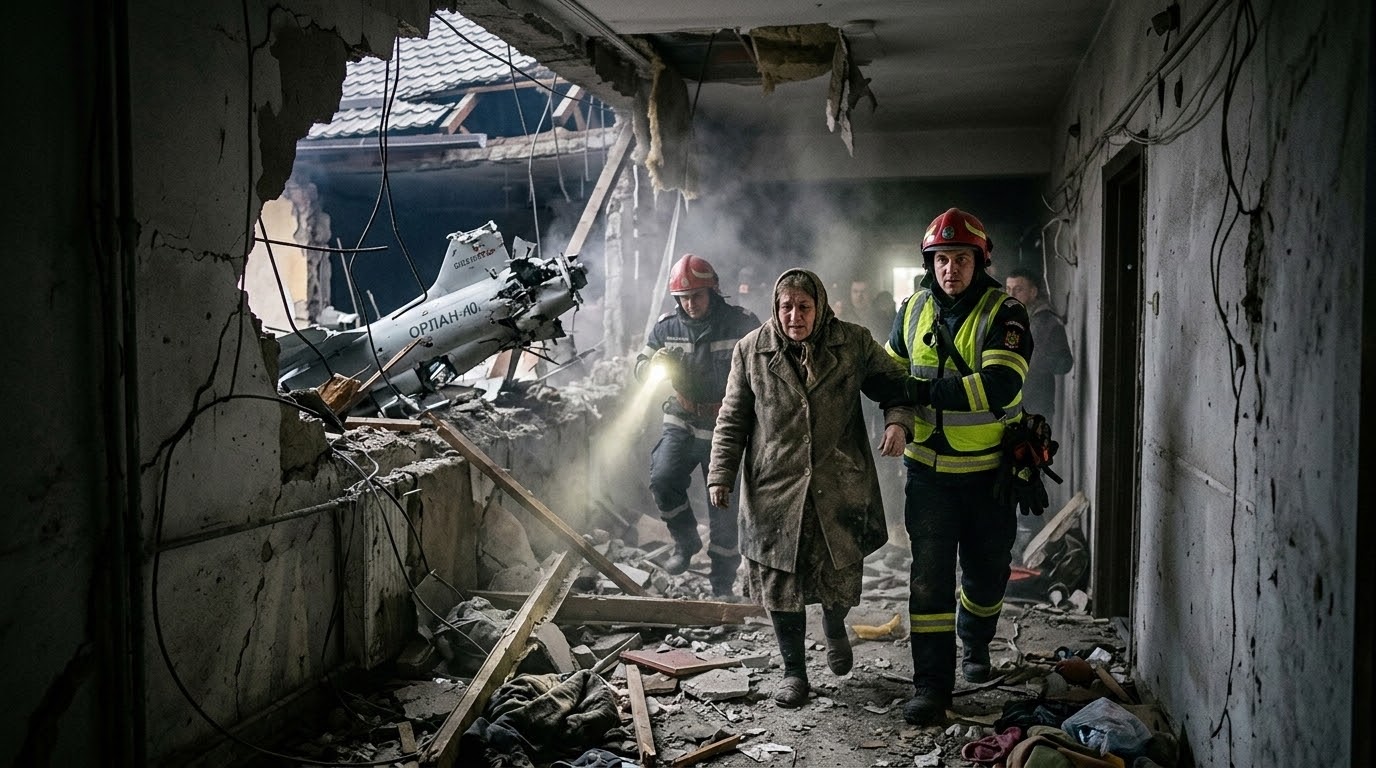
Tensions rose again after Trump announced “Project Freedom,” a US military operation intended to escort vessels through the strait. Instead of calming the waterway, the operation coincided with an increase in attacks involving both sides. Washington said it struck several Iranian fast boats, while the United Arab Emirates accused Iran of attacking one of its oil ports, an allegation Tehran denied. The stop-start security environment has made diplomatic signals, even preliminary ones, market-moving events.
International Response
Senior US officials have publicly signaled a preference for negotiated de-escalation. Secretary of State Marco Rubio told reporters that the initial US-Israeli offensive phase in Iran had ended and said Washington’s objectives had been achieved, adding that the president preferred a deal and “the path of peace.” Those comments reinforced speculation that the US is trying to convert military pressure into a formal political settlement.
Iran’s public messaging has remained more guarded. Tehran has not directly answered Rubio’s remarks, and parliamentary speaker Mohammad Ghalibaf said earlier that the status quo was intolerable for the US while Iran was only beginning its effort. Diplomats and traders are now focused on whether Iranian negotiators respond within the reported 48-hour window on key points, which could determine whether a draft framework becomes a signed process.
What to Expect Next
Markets will be watching for confirmation of any memorandum and for concrete steps on maritime access through Hormuz. A signed framework could trigger another leg down in oil and support risk assets, while delays or renewed attacks could reverse both moves quickly. The next critical test is whether both sides can translate headline diplomacy into enforceable terms on shipping security, nuclear limits and phased sanctions relief.