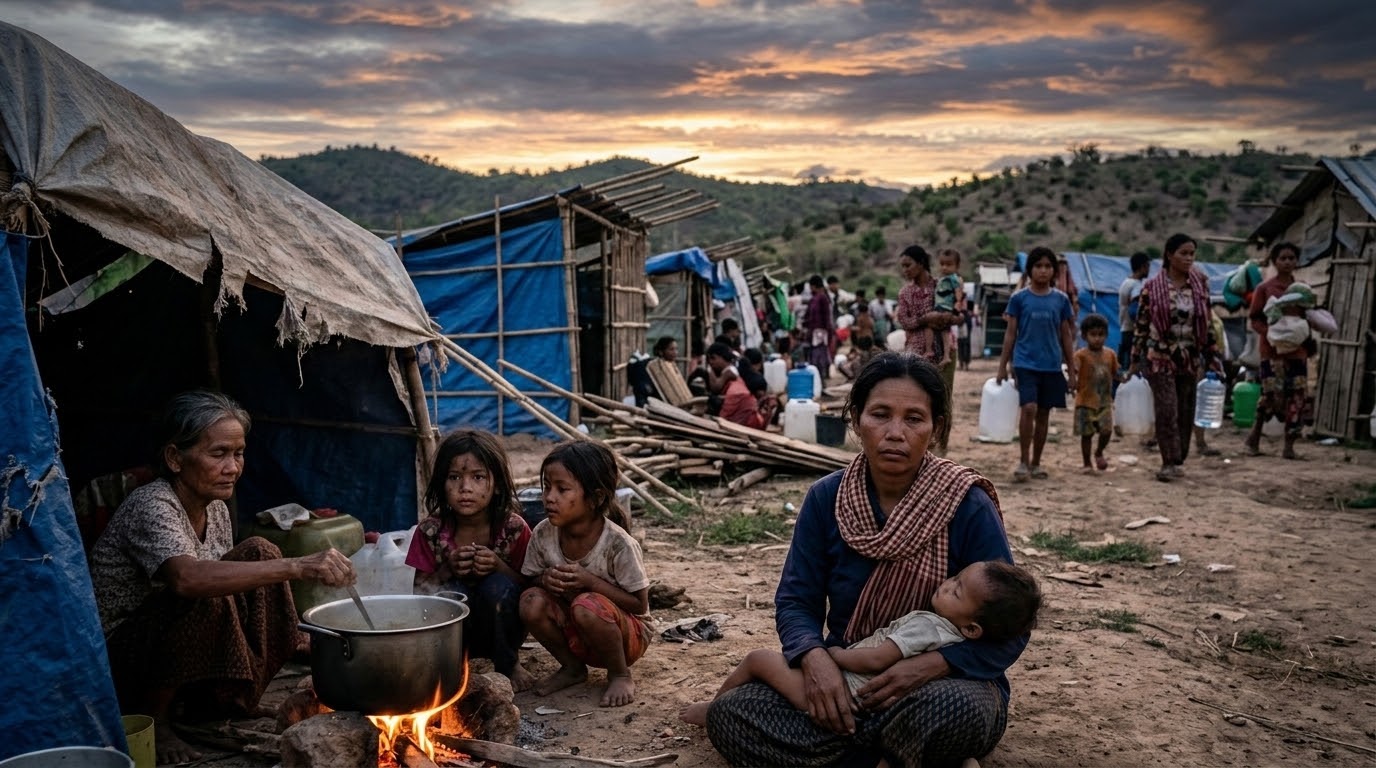
Five months after Thailand and Cambodia agreed to halt fighting, at least 34,440 people remain in camps across northwestern Cambodia, including 11,355 children, according to the Ministry of Interior. Families displaced by last year’s border clashes say they cannot return home, leaving education, livelihoods, and long-term stability in limbo.
What Happened
In camps in Preah Vihear and nearby provinces, daily life has narrowed to survival routines. An 11-year-old girl, Sokna, now spends her days collecting water, cleaning dishes, and sweeping around the tarpaulin shelter where her family is staying on pagoda grounds. Her mother, Puth Reen, said Sokna and her sister have stopped attending school since the family relocated after fleeing renewed violence along the Thai-Cambodian frontier.
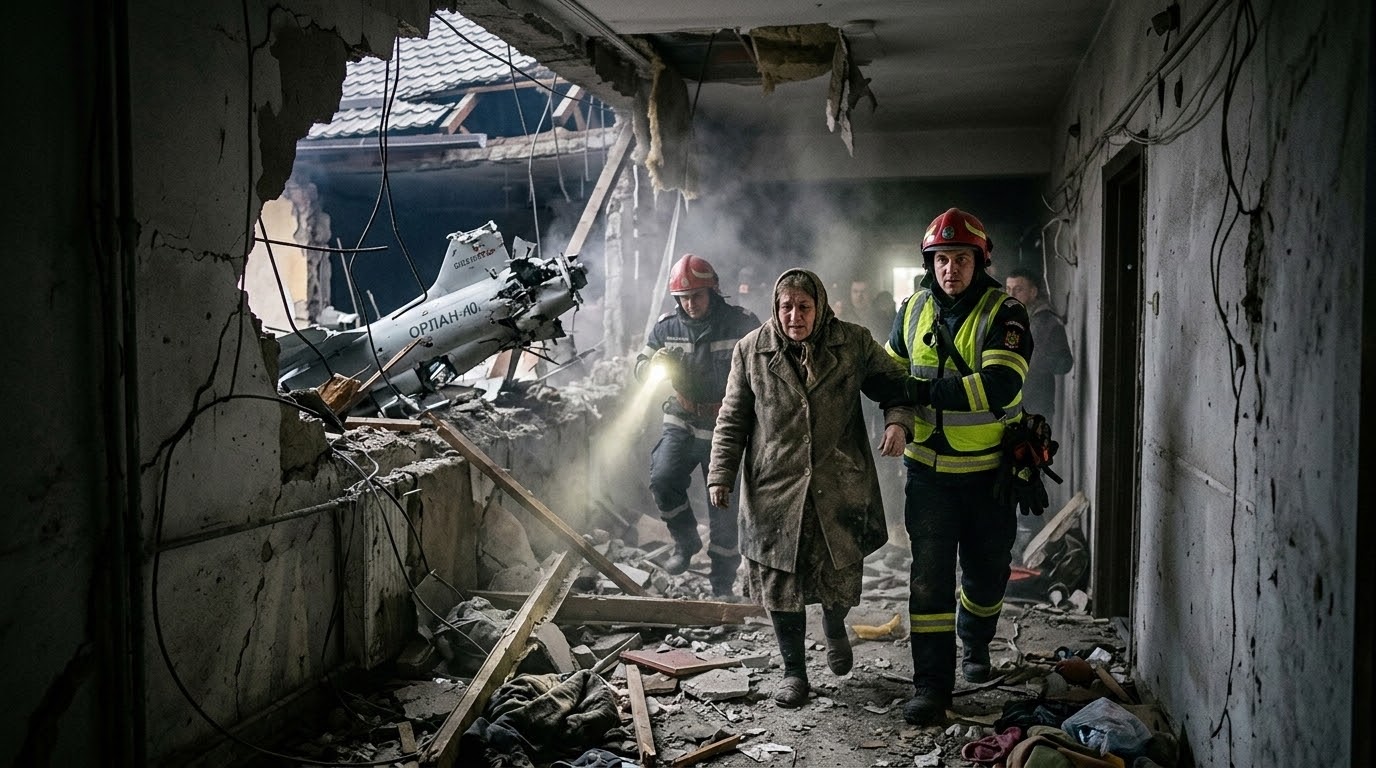
Authorities say tens of thousands remain displaced while sections of the border stay tightly controlled by military forces. Some households are still living in emergency tents, while others have moved into basic wooden stilt homes supplied by the Cambodian government. But civilians report they are still reliant on aid and are barred from returning to farmland and houses in front-line zones. In Banteay Meanchey province, residents describe villages such as Chouk Chey and Prey Chan as cut off by Thai military barriers, including shipping containers and barbed wire erected during fighting.
The latest conflict erupted in two phases last year: five days in July and nearly three weeks in December. Both sides reported deaths, and hundreds of thousands fled as artillery and rockets were exchanged. Thailand also carried out air strikes inside Cambodian territory. A ceasefire was reached on December 27, but local residents and officials say the border remains on alert and sporadic gunfire is still heard in some areas.
Impact & Consequences
The most immediate fallout is being felt by children and families already under severe economic pressure. At Wat Bak Kam camp in Preah Vihear province, mothers said younger pupils can attend nearby primary classes, but secondary students often must travel about 15km to the provincial capital. Rising fuel prices, which parents link to wider regional turmoil tied to the US-Israel war on Iran, have made daily motorbike trips harder to afford.
Education workers say attendance has deteriorated. Kinmai Phum, technical lead for WorldVision’s education program, said school dropout rates and class absences have climbed among students from displaced border communities. She identified compounding causes: repeated moves, limited facilities in temporary learning spaces, household poverty, and psychological distress related to shelling and displacement. Parents also describe children increasingly distracted by rumors of renewed hostilities, especially in families with relatives deployed at the front.
Background & Context
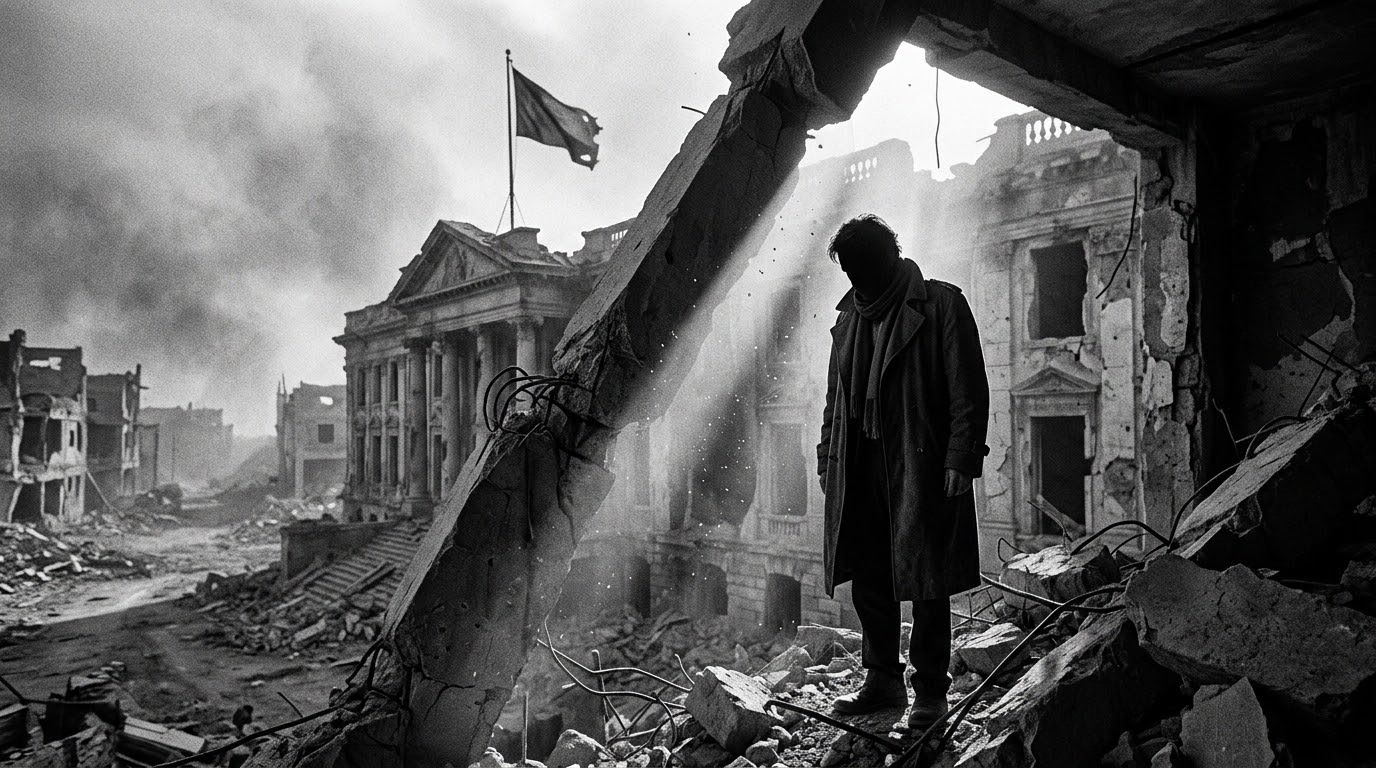
The Thai-Cambodian border has long been a flashpoint, with periodic military standoffs in the 2000s and recurring disputes over contested territory. Last year’s clashes were among the most disruptive in recent years because of their intensity and civilian impact, forcing mass evacuations and leaving strategic villages heavily militarized after the truce.
For older residents, the current insecurity revives deeper historical trauma. Soeum Sokhem, a deputy village chief, said he has lived through multiple wars in Cambodia, from spillover violence during the Vietnam conflict and US bombing to the Khmer Rouge era and the civil war that followed. Today, although he periodically returns to check his house and crops in a designated danger zone, he says movement that once felt routine is now marked by fear. His remarks underscore how present tensions sit within a broader national memory of repeated conflict despite official messaging centered on peace.
International Response
Direct international diplomatic reactions to the current displacement phase have been limited in public view, while humanitarian actors have taken a larger operational role. WorldVision is among organizations supporting education in camps, where local administrators and aid workers are trying to keep children in school through temporary arrangements and community outreach.
At the state level, Bangkok and Phnom Penh remain bound by the December 27 ceasefire, yet mutual suspicion persists on the ground. The continued military posture on both sides, restrictions on civilian return, and contested control points suggest that implementation of peace measures remains fragile. For displaced families, the practical test of international and bilateral commitments is straightforward: whether security guarantees, access to homes, and functioning schools can be restored quickly enough to prevent prolonged social damage.
What to Expect Next
In the coming months, pressure is likely to grow on Cambodian and Thai authorities to stabilize border communities beyond the ceasefire framework. Key indicators will include whether troops scale back from civilian zones, whether displaced residents can safely resume farming, and whether school attendance recovers before dropouts become permanent. Until those shifts occur, camp populations are expected to remain high and daily uncertainty will continue shaping life for thousands of children.