Russia’s Foreign Ministry said Wednesday it had urged diplomatic missions to evacuate staff from Kyiv, warning that Moscow could launch a major retaliatory strike if Ukraine attempts to disrupt Russia’s May 9 Victory Day commemorations in Moscow. The statement heightens fears of escalation at a politically sensitive moment in the war.
What Happened
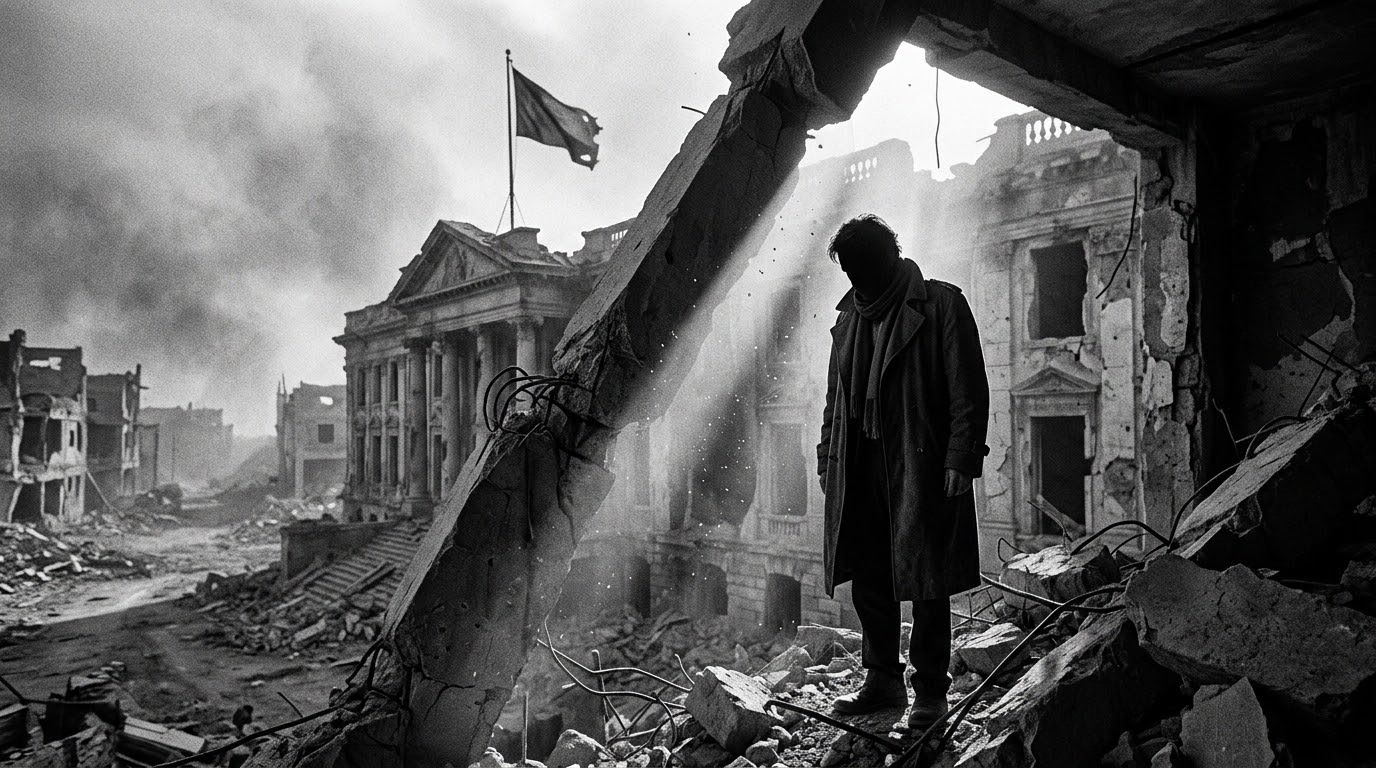
In a video message published on Telegram, Foreign Ministry spokeswoman Maria Zakharova said embassies and international organizations should act immediately on what she described as an unavoidable risk of Russian military retaliation against the Ukrainian capital. Her remarks referenced a warning issued earlier this week by Russia’s Defence Ministry, which tied potential strikes to any Ukrainian action against events marking the Soviet victory over Nazi Germany in World War II.
Zakharova framed the alert as a formal diplomatic notice, urging foreign authorities and organizations to treat it with maximum seriousness and remove personnel from Kyiv in time. She also accused Ukrainian President Volodymyr Zelenskyy of making hostile comments during a meeting of the European Political Community in Armenia on Monday. According to Zakharova, representatives from several European Union countries were present and did not challenge Zelenskyy’s remarks.
Zelenskyy, speaking in Armenia, said Russian plans for Victory Day appeared to reflect security anxiety in Moscow. He pointed to reports that commemorations were being reduced and held with fewer military assets, and argued that Russia was shifting air-defense resources from other regions to protect the capital ahead of the parade in Red Square. In a post on X, he said those deployments indicated Russia was prioritizing parade security over broader national defense and could open additional opportunities for Ukraine’s long-range operations.
Impact & Consequences
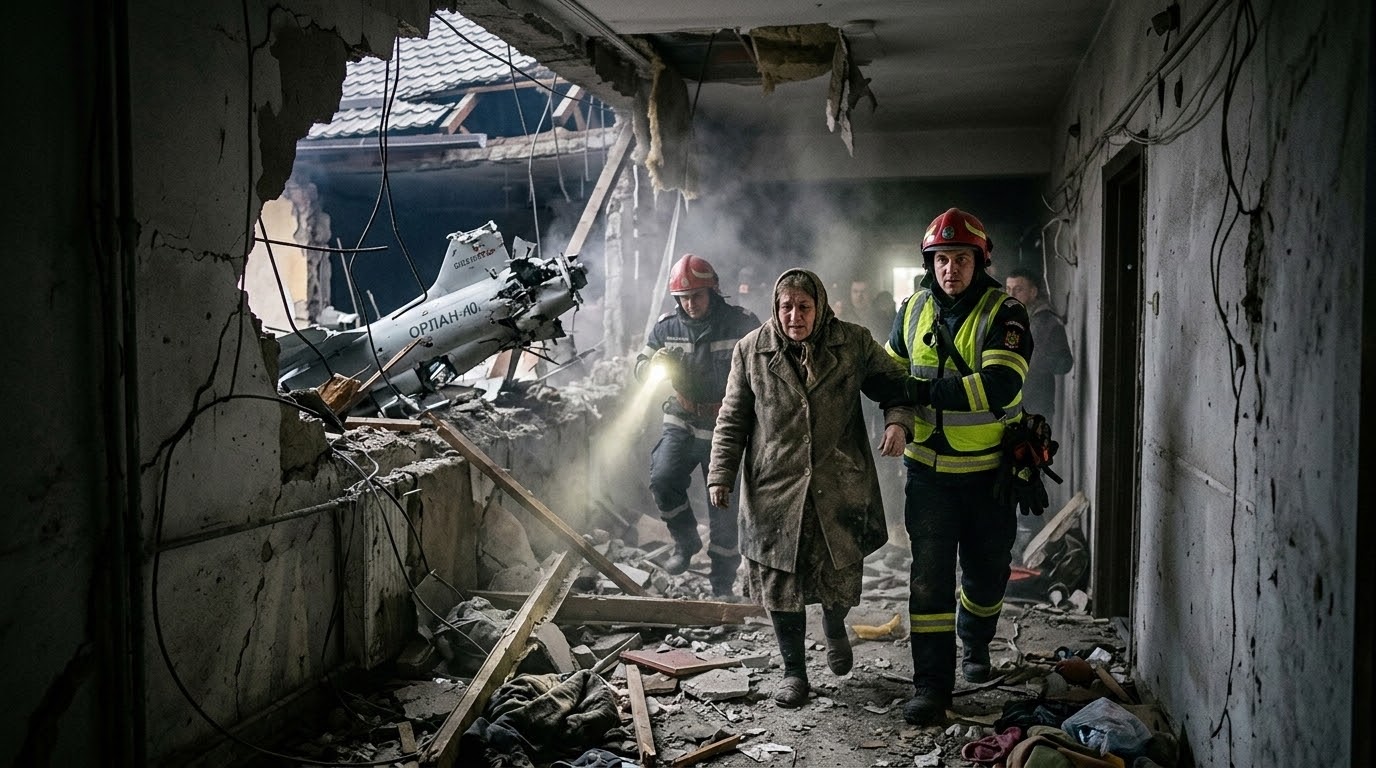
The Russian warning places foreign embassies, aid missions, and multilateral organizations in a difficult operational position. Even if no immediate evacuation follows, governments may review risk levels for staff in Kyiv and adjust movement, security protocols, and consular services. Such steps could affect diplomatic engagement, humanitarian coordination, and business activity in the Ukrainian capital, where international missions have functioned despite regular missile and drone threats.
For Moscow and Kyiv, the messaging battle around May 9 adds a new layer of strategic pressure. Victory Day is central to Russia’s wartime narrative and domestic political symbolism, and any perceived threat to Red Square events carries outsized significance. Ukraine’s emphasis on Russian air-defense redeployments, meanwhile, suggests it is seeking to exploit shifts in Russia’s military posture. The public exchange also complicates already fragile efforts to establish limited pauses in fighting, with each side accusing the other of preparing provocations rather than de-escalation.
Background & Context
May 9 is one of Russia’s most important state commemorations, honoring the Soviet defeat of Nazi Germany and usually featuring a large military parade in Moscow. Since the start of the full-scale invasion of Ukraine in 2022, the event has taken on additional propaganda value for the Kremlin, which has sought to connect its war aims to historical narratives of national sacrifice and military victory.
This year’s tensions come as both sides announced separate temporary ceasefire plans before the anniversary period. Ukraine declared a unilateral truce for May 6, while Russia offered its own brief pause for Victory Day on May 9. Both governments have accused the other of violating declared ceasefires, and exchanges of drone and other strikes have continued. Against that backdrop, Russia’s warning to diplomatic missions in Kyiv marks a significant rhetorical escalation and underscores how ceremonial dates can become flashpoints in an active conflict.
International Response
No unified international response was immediately announced following Zakharova’s statement, but the warning is likely to trigger consultations among European and other governments with diplomatic personnel in Ukraine. In previous periods of heightened threat, embassies have coordinated closely with Ukrainian authorities and with partner countries on contingency planning, including temporary relocation and reduced in-country staffing.
Zakharova’s criticism of EU representatives at the Armenia meeting points to widening diplomatic friction between Moscow and European capitals over wartime rhetoric and accountability. Ukraine has consistently sought support from European partners for air defense and long-range capabilities, while Russia has portrayed such backing as direct involvement in the conflict. The current exchange over Victory Day security is therefore likely to be viewed internationally not as an isolated statement, but as part of a broader contest over deterrence, signaling, and narrative control.
What to Expect Next
Attention will now center on the days surrounding May 9, when security measures in Moscow and Kyiv are expected to tighten and military alert levels may rise. Key indicators will include whether embassies reduce staffing, whether either side reports major strikes, and whether temporary ceasefire proposals collapse entirely. Diplomatic channels are likely to remain active, but public rhetoric from both governments suggests a high risk of further confrontation before and immediately after the commemorations.