US President Donald Trump said Russia and Ukraine had agreed to a three-day ceasefire that includes a reciprocal exchange of 1,000 prisoners from each side, framing it as an urgent bid to reduce hostilities around Russia’s Victory Day period. The announcement, made as both militaries reported ongoing attacks, immediately drew global attention because previous short truces have repeatedly collapsed within hours.
What Happened
Trump said the temporary halt would suspend "all kinetic activity" and confirmed he had personally pushed for the arrangement, thanking both Russian President Vladimir Putin and Ukrainian President Volodymyr Zelenskyy for accepting it. Shortly after Trump’s statement, Zelensky confirmed Kyiv would participate, signaling at least formal alignment between the two capitals despite active battlefield distrust.
The truce announcement followed competing ceasefire proposals. Putin had earlier declared a pause for 8-9 May, timed with Moscow’s commemoration of the Soviet victory over Nazi Germany. Ukraine had instead called for an open-ended ceasefire beginning on 6 May. As those proposals overlapped, each side accused the other of violating prior pledges. Russia’s defense ministry said Ukrainian forces attacked both military positions and civilian areas in Kursk and Belgorod, and said Russian forces responded in what it described as a "mirror" manner.
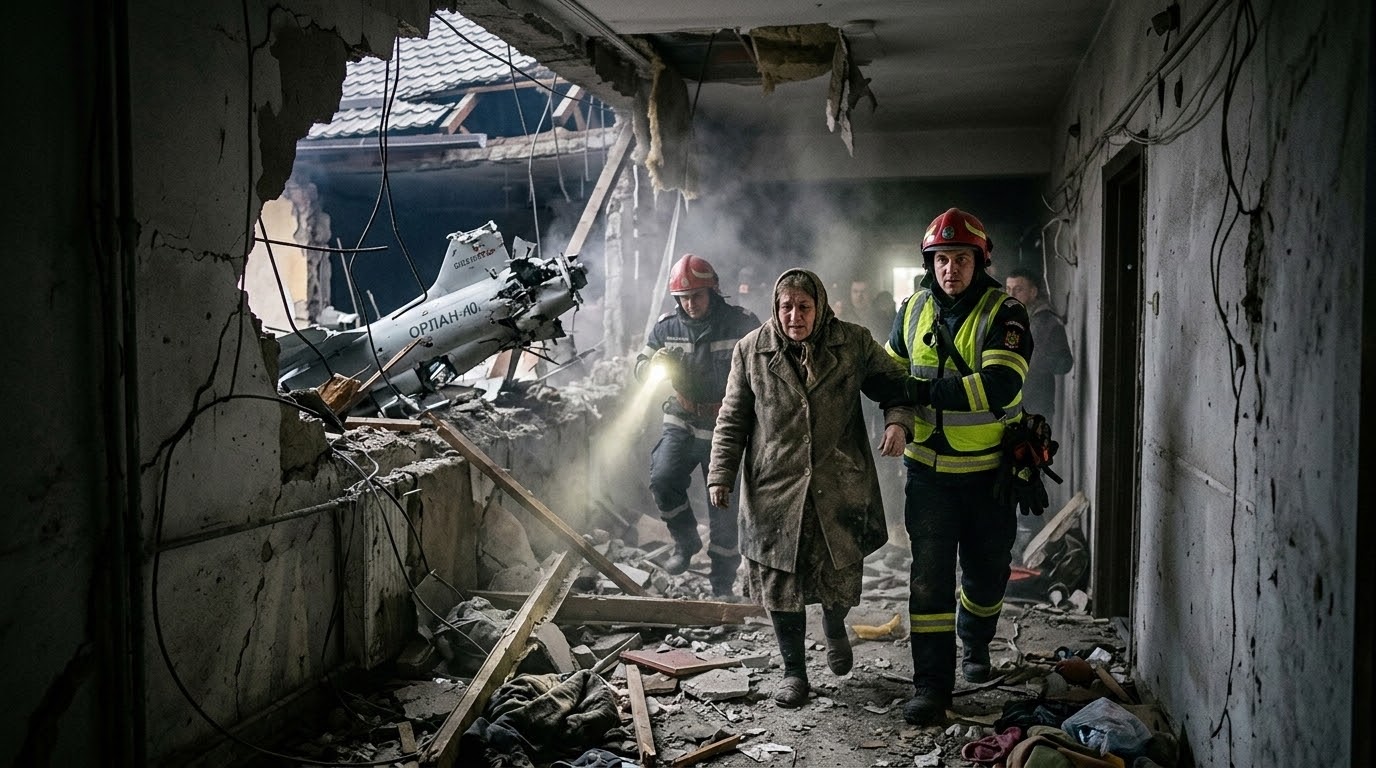
Ukrainian officials reported heavy pressure as the ceasefire window opened. Zelensky wrote on Telegram that in the first hours there were more than 140 assaults on Ukrainian positions and over 850 drone strikes, adding Ukraine would "act in kind." In Russia, Moscow Mayor Sergey Sobyanin said about 20 drones were intercepted near the capital in roughly the first two hours of the pause. Reports also cited Ukrainian strikes in Perm, Yaroslavl, Rostov, and Grozny, while 13 airports in southern Russia suspended operations after drone activity.
Impact & Consequences
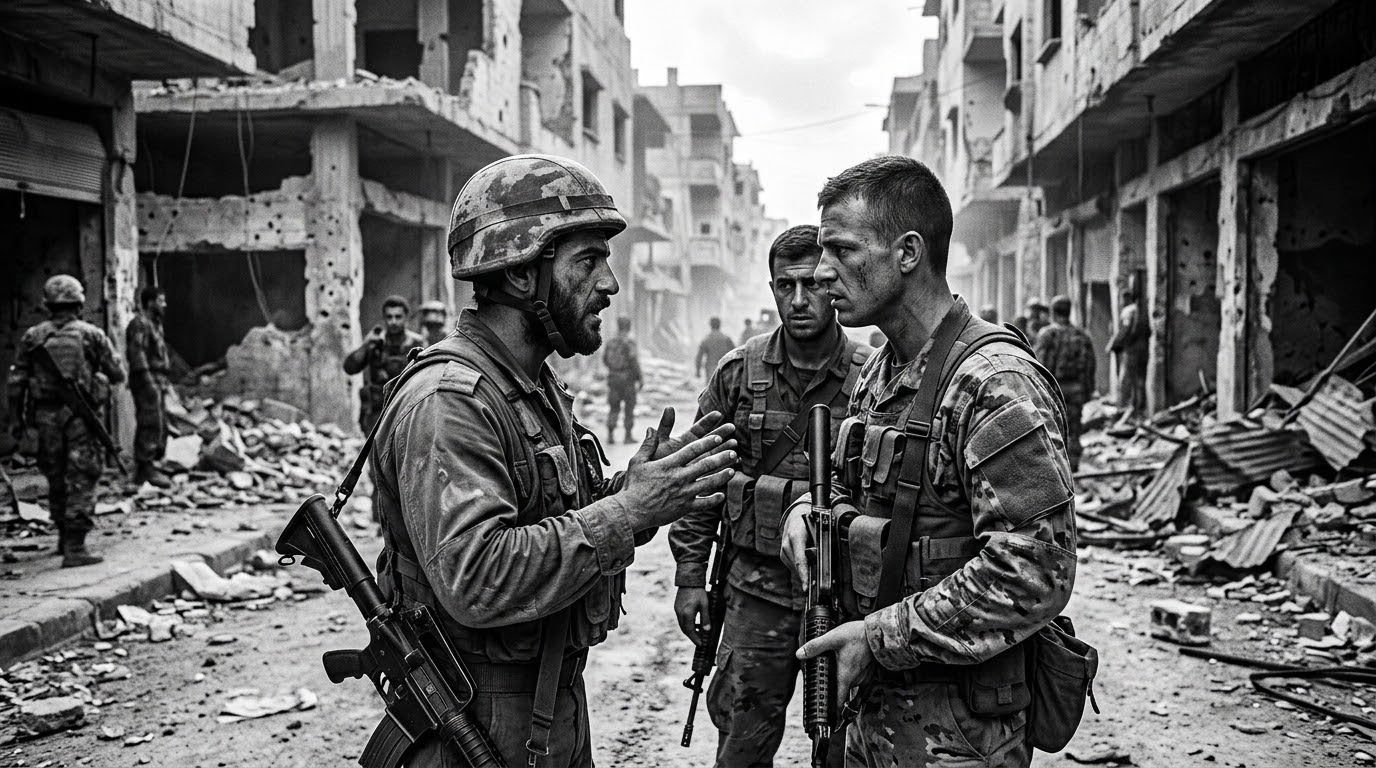
The immediate effect is a narrow diplomatic opening paired with high operational risk. A simultaneous exchange of 2,000 prisoners would be among the largest swaps of the war and could provide a tangible humanitarian outcome if completed. But persistent combat reports from both fronts indicate that command-and-control gaps, local escalation dynamics, and mistrust remain severe, raising the possibility that the truce could fracture before full implementation.
Security conditions in Russia have tightened sharply around Victory Day events. Moscow warned Kyiv against striking the Red Square parade and threatened a large retaliatory missile attack on central Kyiv if the Russian capital is targeted. Russian authorities have urged foreign diplomats to leave Kyiv ahead of 9 May and warned residents in Moscow and St Petersburg of mobile internet restrictions for security reasons. With no military hardware expected at the parade for the first time in nearly two decades, the message is that symbolic dates are now treated as potential flashpoints rather than controlled displays of state power.
Background & Context
Since Russia’s full-scale invasion of Ukraine, short-term ceasefires have repeatedly been announced, disputed, and broken, often within hours. Both sides have used pauses for humanitarian arguments and strategic messaging, but neither has secured a durable framework accepted by military and political leadership on both fronts. Drone warfare has further complicated enforcement by enabling frequent strikes far from front lines, including near major cities and critical infrastructure.
The current truce effort unfolds amid wider instability in Ukraine, including a large wildfire in the Chornobyl exclusion zone in Kyiv region. Emergency teams are contending with strong winds, dry conditions, and landmines in some sectors, with the fire reportedly spreading across about 11 square kilometers. Authorities say radiation readings near the blaze remain within normal limits, but the incident underscores how wartime pressures are colliding with environmental and civil protection challenges.
International Response
European officials have signaled renewed interest in diplomacy. European Council President António Costa said there was "potential" for the EU to engage Russia on ending the war and noted that Zelensky supports structured European involvement. Costa said he was consulting all 27 EU leaders on how to prepare for eventual talks on Europe’s future security architecture, arguing that geography makes long-term dialogue unavoidable.
The Kremlin responded cautiously. Spokesman Dmitry Peskov said Moscow is open to dialogue but would not initiate contact itself. Washington, which has already hosted several rounds of mediation without a breakthrough, says it remains available but increasingly impatient. During a visit to Italy, US Secretary of State Marco Rubio said the United States does not want to continue talks without visible progress. Zelensky has said he expects US envoys in Kyiv in the coming weeks, suggesting diplomatic channels remain active despite worsening battlefield rhetoric.
What to Expect Next
The near-term test is whether the three-day pause can hold long enough to complete the prisoner exchange and reduce major strikes around 9 May. Monitoring claims will be difficult, as both sides are already reporting violations. If the swap proceeds and violence drops, mediators may push for a longer arrangement; if attacks intensify, the ceasefire could become another brief interlude before further escalation.