US President Donald Trump said this week that Iran’s formal reply to a US plan to end the war was “totally unacceptable,” signaling a major setback in efforts to convert a fragile ceasefire into a broader settlement. The rejection matters globally because fighting around the Strait of Hormuz continues to threaten energy flows, maritime safety, and regional stability.
What Happened
Tehran’s response was delivered through Pakistan, which has acted as an intermediary between the two sides. Neither Washington nor Tehran has publicly released the full text. The exchange comes after a ceasefire intended to open political talks following the war launched by the United States and Israel in late February. Although the truce has mostly held, intermittent fire and maritime incidents have continued.
Trump had earlier said the conflict would end quickly, but Israeli Prime Minister Benjamin Netanyahu struck a harder tone, saying Iran’s enriched uranium stockpile must be neutralized before the war can truly be considered finished. In comments from an interview excerpt, Netanyahu said remaining enrichment facilities still had to be dismantled. Iran’s President Masoud Pezeshkian, without explicitly naming the US document, said negotiations should not be interpreted as surrender.
US outlet Axios reported that Washington’s proposal was a one-page memorandum with 14 points, including a halt to Iranian uranium enrichment, sanctions relief, and renewed free passage through Hormuz. According to the report, based on unnamed officials and sources briefed on the discussions, many provisions would only take effect after a final agreement. Iran’s Isna agency said Tehran’s answer prioritized ending the war and maritime security in the Gulf and Hormuz.
Impact & Consequences
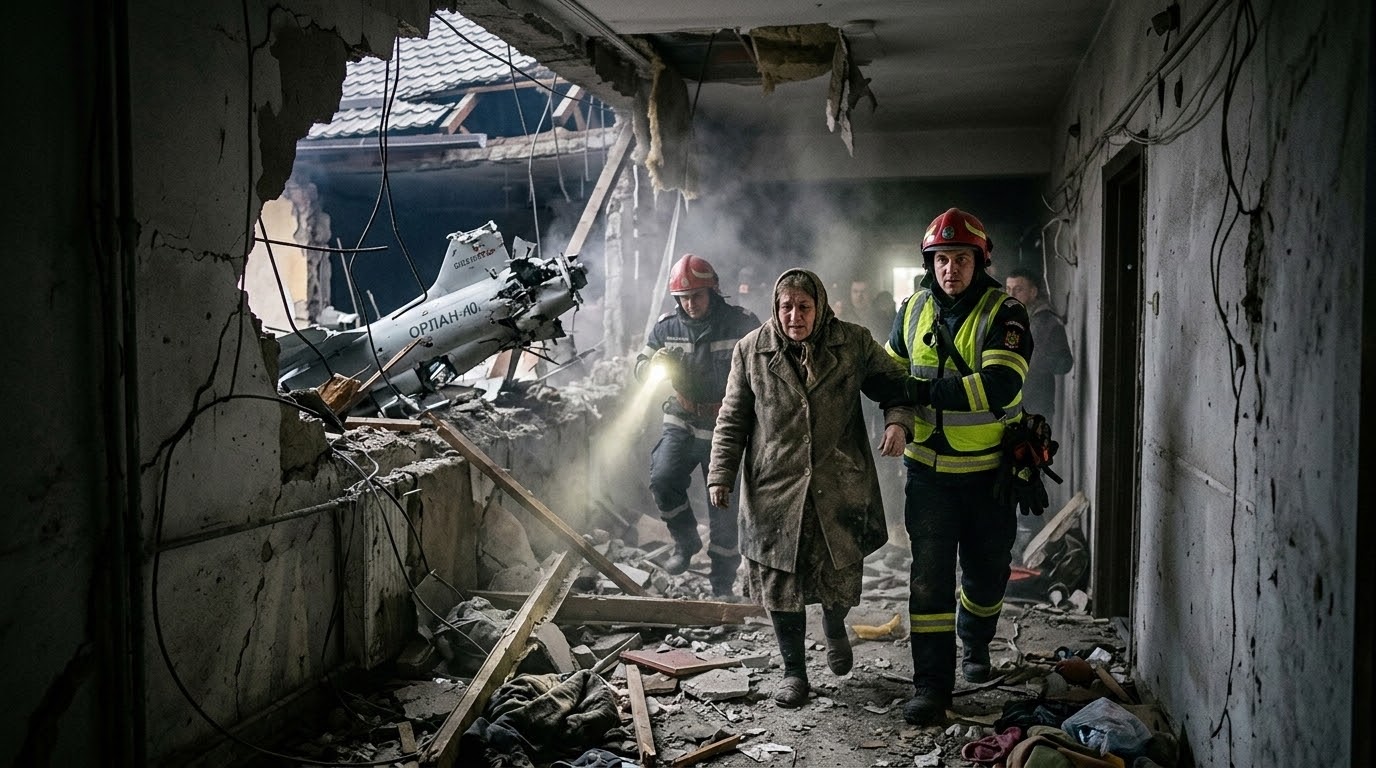
The most immediate consequence has been rising pressure on global energy and shipping markets. Iran has continued to obstruct traffic through the Strait of Hormuz, a corridor that normally carries roughly one-fifth of global oil and gas flows. With the waterway repeatedly disrupted, oil prices have risen and insurers and shipping operators face higher risk calculations. For import-dependent economies, prolonged instability could feed inflation and supply disruptions.
At the same time, Washington has enforced a blockade on Iranian ports to increase leverage, intensifying the confrontation at sea. Tehran has warned neighboring states against helping enforce US sanctions, and military messaging from both sides has hardened. If the current diplomatic deadlock persists, the region could see a prolonged pattern of limited conflict: periodic attacks, restricted maritime movement, and continued economic pressure rather than a full return to peace talks.
Background & Context
The current phase of the conflict began with US and Israeli strikes on 28 February, after long-running disputes over Iran’s nuclear program and regional security escalated into direct warfare. Since then, Hormuz has become both a strategic pressure point and a bargaining tool. Iran has repeatedly signaled that control over the strait gives it leverage, and has warned or targeted some vessels attempting passage.
The United States maintains substantial military assets across the Gulf, including in Qatar, Bahrain, Kuwait, the United Arab Emirates, Saudi Arabia, and Oman. This footprint has shaped the conflict’s naval dimension, as Washington seeks to secure sea lanes while pressing Tehran economically. Iran, meanwhile, has portrayed US naval operations as coercive attempts to impose a blockade and has framed its own actions as defensive responses to external pressure and wartime conditions.
International Response
European and regional actors are now trying to prevent further maritime escalation. The UK announced that a Royal Navy warship was being sent to the Middle East, potentially to support an international shipping protection mission. British Prime Minister Keir Starmer has said such an operation, backed with French support from President Emmanuel Macron, would proceed only after active fighting ends. Tehran warned it would respond immediately and decisively to any British or French deployment in Hormuz.
Macron later said France had not planned a unilateral naval deployment and instead envisioned a security arrangement coordinated with Iran. Meanwhile, incidents have continued: the UK Maritime Trade Operations center reported a bulk carrier struck by an unidentified projectile northeast of Doha, causing a small fire but no casualties; Kuwait said drones entered its airspace; and the UAE said it intercepted two drones coming from Iran. Defence ministers from more than 40 countries are now meeting under UK-French co-chairmanship to discuss post-conflict maritime policing plans.
What to Expect Next
The next critical test will be whether backchannel talks can revive negotiations despite Trump’s rejection of Iran’s latest response. Diplomatic attention will focus on conditions tied to enrichment limits, sanctions relief, and guaranteed transit through Hormuz. Military signaling is also likely to intensify while talks remain unresolved, especially after Trump warned that failure to reach a deal could trigger significantly heavier bombing than earlier phases of the war.