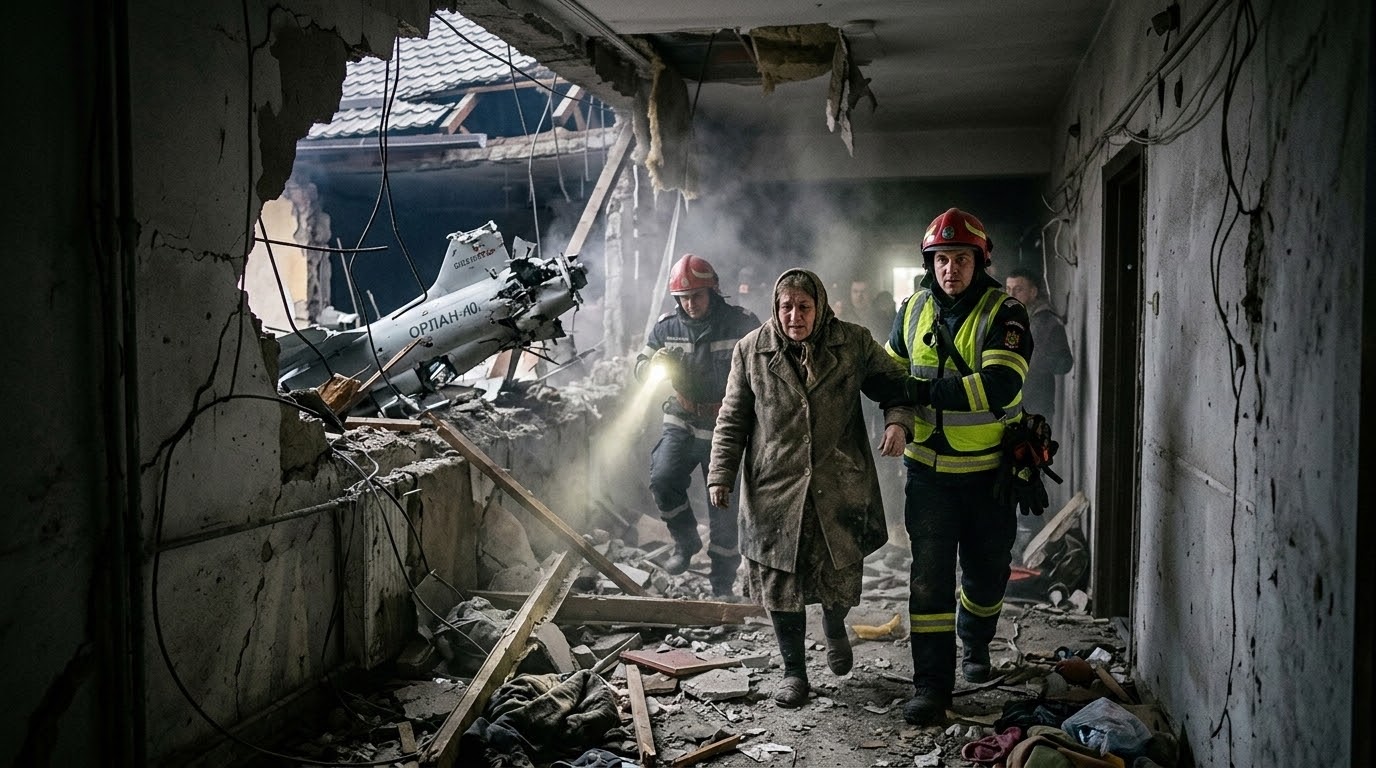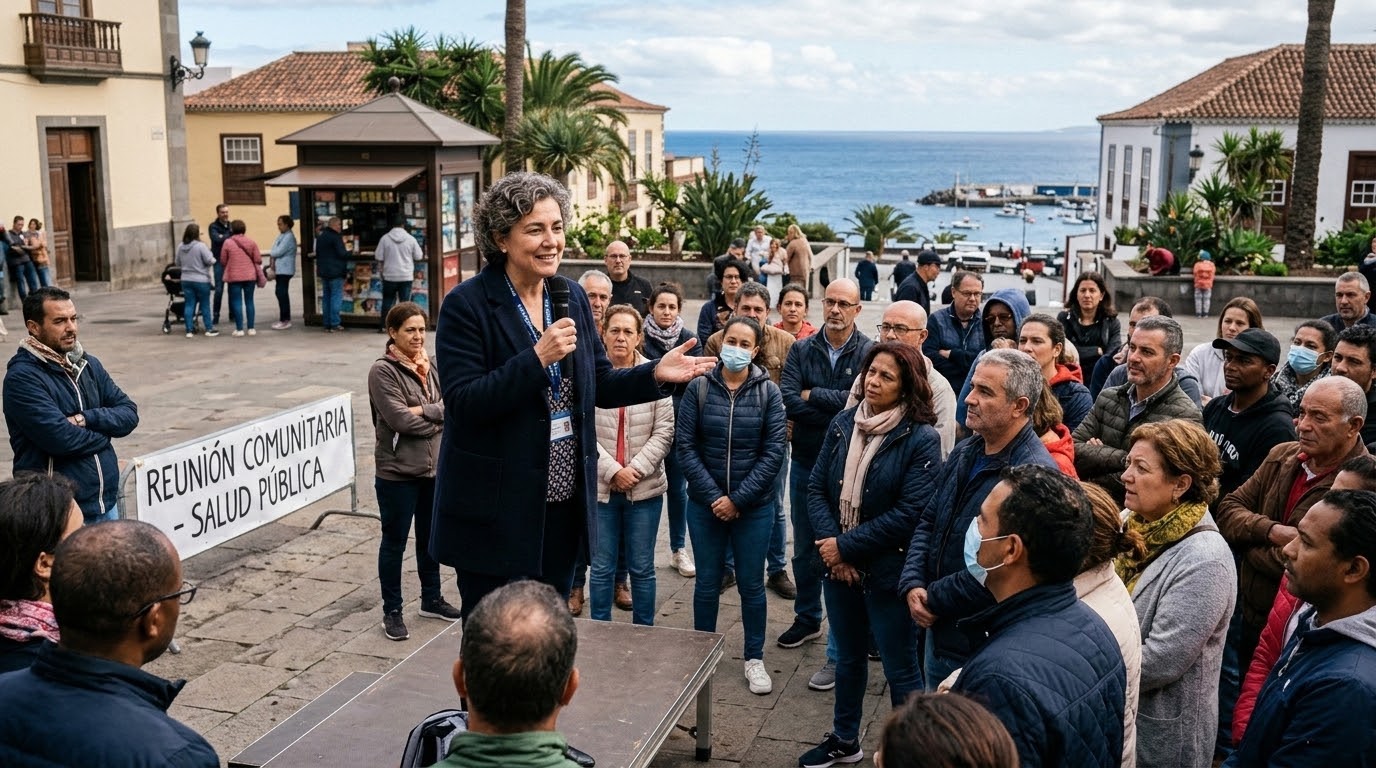
World Health Organization chief Tedros Adhanom Ghebreyesus arrived in Tenerife on Sunday to reassure residents ahead of the MV Hondius’s docking, saying the hantavirus outbreak on board is "not another Covid" and poses a low public health risk as authorities begin a tightly managed disembarkation operation.
What Happened
The Dutch-flagged expedition cruise ship MV Hondius, which reported several hantavirus cases during a voyage from South America, is scheduled to reach the port of Granadilla in the Canary Islands in the early hours of Sunday. Oceanwide Expeditions said passengers were expected to start leaving the vessel at 07:00 GMT after an estimated arrival around 04:30 GMT. Spanish Health Minister Mónica García said the ship would anchor between 04:00 and 06:00 GMT and that passengers would remain aboard until transfer logistics were ready.
Authorities confirmed six passenger cases, including one person among three deaths linked to the voyage. Tedros said no one currently on board was showing symptoms, citing ongoing checks by WHO expert Dr Freddy Banza-Mutoka and two Dutch doctors. The team has been conducting medical and exposure evaluations for everyone aboard, according to WHO statements. Tedros addressed local residents directly, acknowledging lingering trauma from the coronavirus era while emphasizing that current conditions and transmission risks differ significantly.
Spain has imposed strict containment measures for the Tenerife operation. García said all disembarking passengers must wear FFP2 masks, as must transport and support staff who interact with them. People leaving the vessel will carry only a small sealed bag with essential documents, devices and basic personal items. Disembarkation will be organized by nationality, with Spanish citizens expected to leave first. Passengers are then to be moved directly to waiting aircraft for repatriation.
Impact & Consequences
The arrival has triggered anxiety in Tenerife, where memories of large-scale pandemic disruption remain politically and socially sensitive. Local protests have emerged, and the issue has become a flashpoint in Spain’s domestic debate, with criticism from the far-right Vox party and objections from Canary Islands regional president Fernando Clavijo, who questioned why final response measures could not be completed in Cape Verde, the vessel’s previous stop.
For residents, the key consequence is a high-security public health operation designed to prevent any contact between passengers and the wider community. For governments, the event tests crisis coordination across health, aviation and border systems. It also highlights the reputational stakes for Spanish authorities and WHO: both are trying to balance humanitarian responsibility toward affected travelers with public reassurance and transparent risk communication after years of heightened sensitivity to infectious disease emergencies.
Background & Context
Hantaviruses are generally associated with rodents, and infection is usually linked to environmental exposure rather than broad community spread. However, WHO has said the Andes strain, believed to be involved in this outbreak, can transmit between humans under specific conditions. Reported symptoms include fever, severe fatigue, muscle pain, abdominal discomfort, vomiting, diarrhea and breathing difficulty, making rapid clinical screening essential on confined vessels.
The timeline of serious cases has raised concern. The first death occurred on 11 April, followed by another on 2 May. A 69-year-old Dutch woman who left the ship in St Helena on 24 April traveled onward to South Africa, where she died two days later. Two British men with confirmed infections are being treated in the Netherlands and South Africa, while a third British national is receiving care for a suspected infection on Tristan da Cunha, a remote Atlantic island where the ship stopped in mid-April. Investigators have not yet established the full source and scope of transmission aboard.
International Response
WHO has taken a visible role by deploying an expert to the ship and sending its director-general to Tenerife during the operation. Tedros publicly thanked Spanish Prime Minister Pedro Sánchez, describing Madrid’s decision to accept the vessel as both solidarity and a moral obligation. He said Tenerife was selected because of its hospital capacity, logistics and ability to manage a controlled transfer.
European and transatlantic coordination is central to the evacuation plan. Officials said flights are arranged for the United Kingdom, United States, France, Germany, Belgium and Ireland, while the European Union is providing two additional aircraft for remaining European passengers. Dutch medical teams are part of the onboard assessments, underscoring a multinational response that links public health agencies, civil aviation authorities and consular networks.
What to Expect Next
Over the coming hours, authorities are expected to complete staged disembarkation and immediate repatriation, while maintaining strict separation from the local population. The MV Hondius is then due to continue to the Netherlands, where one deceased passenger’s body and belongings will be disinfected before removal. Key unanswered questions include the outbreak’s precise origin, whether additional latent cases may emerge, and what findings ongoing medical assessments will reveal about exposure patterns during the voyage.