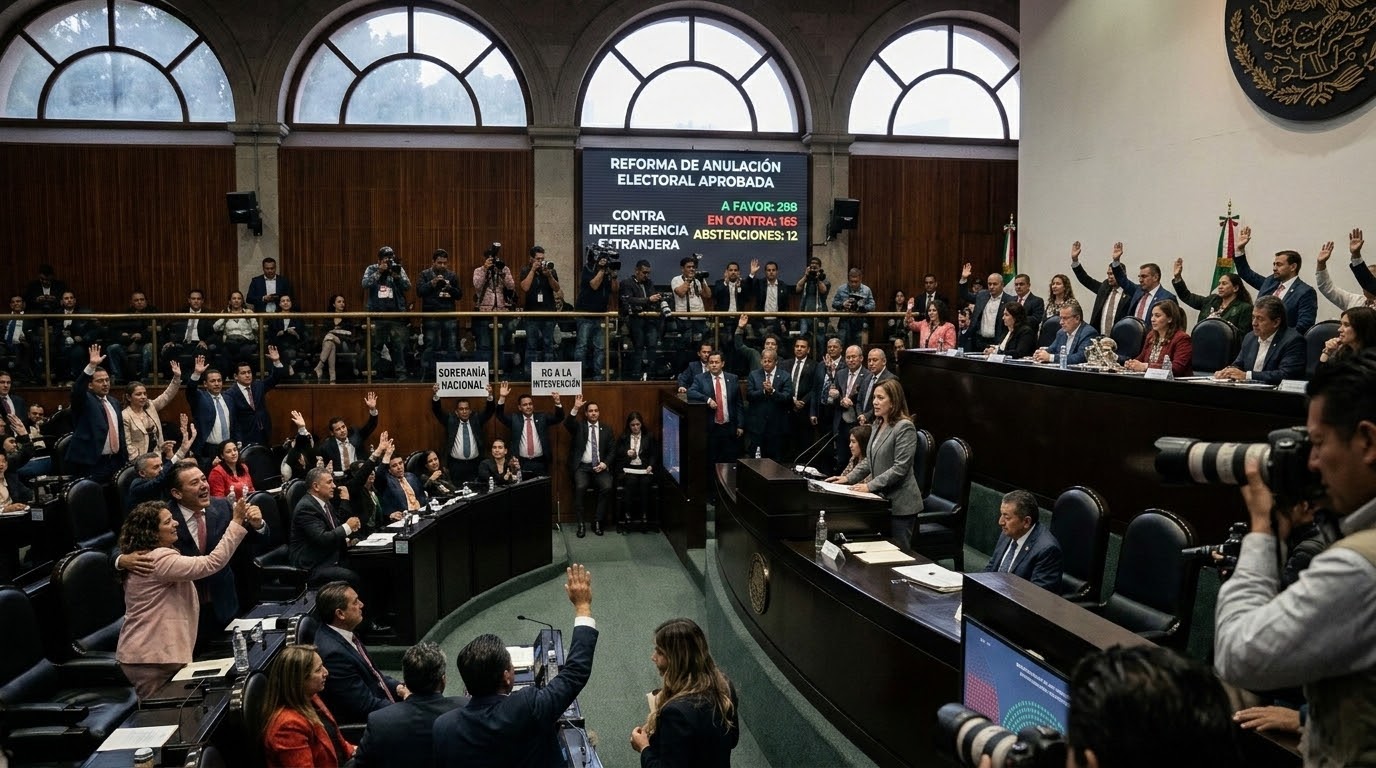
Haiti’s Prime Minister Alix Didier Fils-Aime said Monday that the country cannot safely hold presidential elections planned for August, citing worsening insecurity in Port-au-Prince where gang clashes have intensified. His statement is a major setback for a long-delayed democratic transition in a country that has gone nearly a decade without national elections.
What Happened
In an interview broadcast on Magik9 radio with the editor of Le Nouvelliste, Fils-Aime said conditions required for an August vote are not in place. Haiti’s electoral council had set a first round for August 30 and a runoff in December, with more than 280 political parties cleared to compete. The prime minister said he now hopes elections can still be held by year’s end, with an elected president in office by February 7.
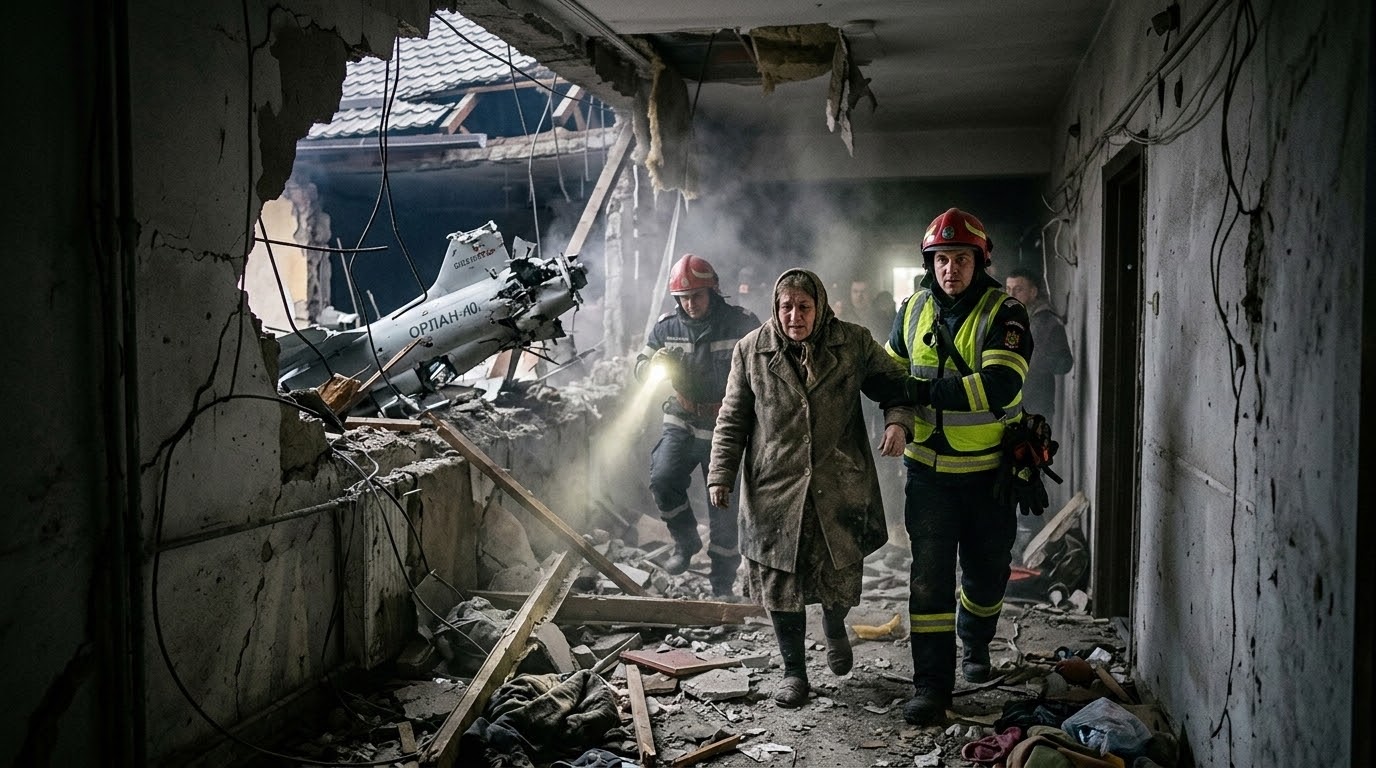
His remarks came as violence spread in the capital, where rival factions fought in and around Cite Soleil and nearby areas close to key transport corridors. Doctors Without Borders (MSF) said it evacuated its hospital after heavy gunfire on Sunday. The medical group reported treating more than 40 people with gunshot wounds in a 12-hour period and sheltering about 800 residents fleeing the fighting. Among the wounded was a hospital security guard struck on the grounds by a stray bullet.
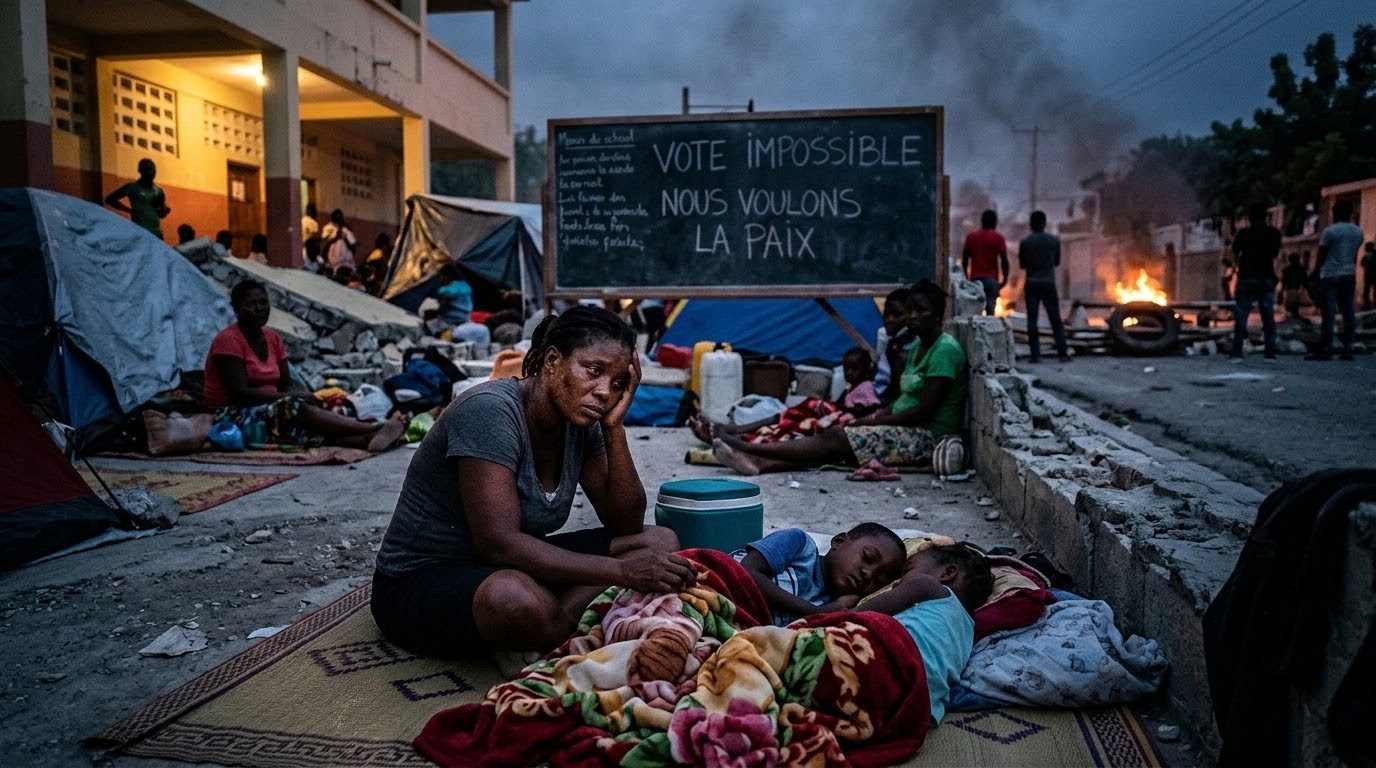
Fontaine Hospital also evacuated newborns from intensive care, according to Reuters, while MSF said it received transferred patients, including pregnant women who delivered overnight. MSF stated that no hospital remained open in the immediate conflict zone and said it could not guarantee staff or patient safety as shooting continued. Residents described homes being burned and families scattering; one displaced woman told The Associated Press she was sleeping on a highway because returning home was too dangerous.
Impact & Consequences
The postponement threat deepens Haiti’s governance crisis and could complicate external support tied to political progress. International backers, including the United States and the United Nations, have linked sustained security assistance to movement toward elections. A further delay risks prolonging institutional uncertainty while armed groups expand their territorial control and influence over daily life in the capital.
For civilians, the immediate impact is severe. Health services in active conflict areas have been disrupted, emergency care has been overwhelmed, and vulnerable patients such as newborns and pregnant women have been forced to move during active gunfire. Displacement is accelerating in already overcrowded shelters with limited resources. With major violence occurring near the capital’s port and only a few kilometers from the international airport, business activity and humanitarian access face mounting strain, raising concerns about supplies, mobility, and basic public safety.
Background & Context
Haiti has not held elections since 2016, as successive administrations repeatedly delayed voting while armed groups tightened control over Port-au-Prince. The country’s last president, Jovenel Moise, was assassinated in 2021 after postponing elections, creating a political vacuum that gangs exploited. According to current estimates cited by authorities and aid groups, thousands have been killed in recent years and more than one million people displaced.
An International Organization for Migration report released earlier this year said gang violence has uprooted over 1.4 million people nationwide, including roughly 200,000 living in overcrowded and underfunded sites in the capital. Local business representatives said the latest battles involve the Chen Mechan gang, allied groups, and former partners tied to Viv Ansanm, a broad coalition that once brought together many armed factions across the city. Fragmentation within these alliances has contributed to recurring waves of urban warfare.
International Response
International security support remains uncertain after the final members of a Kenyan-led mission departed during a restructuring of the UN-backed force intended to help Haitian authorities restore order. That effort had faced persistent constraints, including shortages of personnel, equipment, and financing, and was also shadowed by allegations of sexual abuse.
The United Nations now plans to field about 5,500 new troops in Haiti by the end of October, but major questions remain over contributors and funding. Chad said in April it intended to send 1,500 personnel and that around 400 had already been deployed. The viability of this new deployment schedule will be critical as Haiti attempts to balance emergency security needs with the political timetable needed to relaunch constitutional governance.
What to Expect Next
In the coming months, Haitian authorities are expected to revisit the electoral calendar while trying to secure enough territory to allow campaigning and voting. The immediate test will be whether the government can stabilize key districts of Port-au-Prince and reopen essential services, especially hospitals. International partners will also face pressure to clarify troop commitments and financing before October, as the election timeline increasingly depends on security gains that have so far proved elusive.