CNN filed a federal lawsuit against AI search company Perplexity on Thursday in New York, accusing the startup of unlawfully copying and redistributing its journalism to power competing AI-generated responses. The case matters because it deepens a widening legal battle over whether AI firms can use publisher content without permission or payment.
What Happened
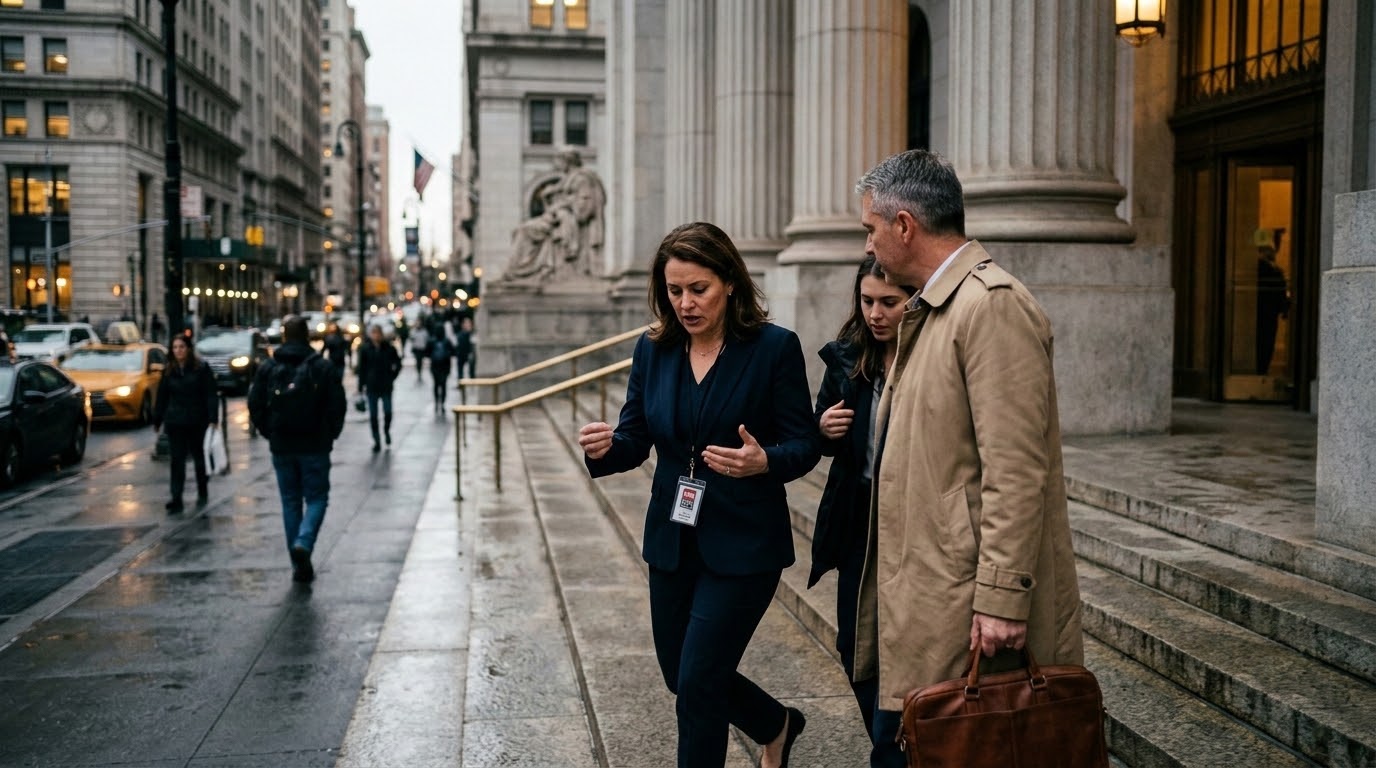
According to the complaint submitted in New York federal court, CNN alleges that Perplexity copied thousands of its news articles, videos, and images and used them in ways that produced output described as identical or substantially similar to CNN’s own reporting. CNN argues this conduct goes beyond lawful use and directly competes with the company’s original journalism products.
The Warner Bros.-owned network is seeking monetary damages, though no amount was specified in the filing, and is also asking the court for injunctive relief to prevent what it says are ongoing violations of its intellectual property rights. In public statements tied to the filing, CNN said Perplexity should not be allowed to benefit commercially from material generated by news organizations that bear the costs of reporting and verification.
Perplexity pushed back publicly through spokesperson Jesse Dwyer, who said, “You can’t copyright facts.” That response reflects a central legal tension now shaping AI-content disputes: while factual information itself is not protected by copyright, the specific expression, structure, and presentation of reporting may be. CNN’s filing contends Perplexity crossed that line by reproducing protected elements of its work at scale.
Impact & Consequences
The lawsuit intensifies pressure on AI companies building products that summarize or answer questions using material from media websites. If CNN succeeds, the case could strengthen publishers’ leverage to demand licensing agreements, clearer attribution, and technical controls over how their content is ingested and displayed by AI tools. A ruling favoring Perplexity, by contrast, could reinforce broader claims that current AI summarization practices are largely lawful when framed as fact-based synthesis.
For media businesses already under revenue strain, the dispute is also economic. Publishers argue that AI-generated answers can divert web traffic, reducing subscriptions and advertising income tied to original reporting. For AI firms, restrictive outcomes could raise operating costs by forcing large-scale content licensing, potentially favoring bigger technology players with deeper capital while making compliance harder for smaller startups competing in the same market.
Background & Context
Since the emergence of generative AI tools after the launch of ChatGPT in 2022, publishers, authors, and rights holders have increasingly challenged how training data and output are sourced. CNN’s suit joins a growing docket of U.S. copyright cases that question whether AI companies unlawfully copied protected works during model development and product deployment. The wave of litigation has expanded into one of the most consequential legal fronts in the AI industry.
Perplexity, which markets an AI-powered search experience that scans the web and delivers direct answers, has already been targeted by several organizations, including The New York Times, Reddit, and Dow Jones, over alleged unauthorized data use and copyright violations. At the same time, parts of the news industry have pursued negotiated alternatives, striking licensing and partnership deals with large technology and AI firms to secure compensation, source linking, and access to verified journalism within AI systems.
International Response
While the complaint is a U.S. filing, its implications are global because publishers and regulators in multiple regions are grappling with similar disputes over data rights, attribution, and fair payment. Media groups outside the United States have watched these cases closely as potential legal templates for their own markets, especially where local copyright frameworks may differ but the commercial pressures are similar.
Industry stakeholders are also split on strategy. Some publishers are choosing courtroom action to establish boundaries through precedent, while others are negotiating direct licensing arrangements with AI developers. Legal experts broadly view this mixed response as a transitional phase: until courts or lawmakers provide clearer standards, both litigation and commercial agreements are likely to proceed in parallel across major news ecosystems.
What to Expect Next
The case will now move into early federal court stages, including procedural filings and likely arguments over the scope of copyright protection for AI-generated outputs based on news content. Perplexity is expected to contest CNN’s claims vigorously, and the dispute could take months or longer before substantive rulings. Regardless of timing, the outcome may influence pending publisher lawsuits and future licensing negotiations across the AI news landscape.