Vice-President JD Vance said on Thursday that the United States and Iran are close to an agreement to extend their current ceasefire, but unresolved disputes over nuclear terms mean no final accord has been reached. The talks matter because they could determine whether fighting resumes and whether energy flows through the Strait of Hormuz stabilize.
What Happened
Speaking in Washington, Vance told reporters that negotiators were still exchanging language on several unresolved points, including uranium enrichment. He said it was premature to conclude when, or even whether, a full agreement would be finalized, despite describing the discussions as close to completion. He also said Washington believed Tehran was negotiating in good faith.
Earlier in the day, US officials told the BBC that a framework had been agreed, pending approvals from President Donald Trump and Iran’s leadership. Iranian messaging was more cautious. Tasnim, a semi-official Iranian outlet, reported that no agreement had been finalized or formally confirmed. The contradiction highlighted how quickly expectations are shifting as both sides communicate different versions of progress.
The broad outline under discussion reportedly includes extending the truce by 60 days and opening more technical talks on Iran’s nuclear program and stockpile of highly enriched uranium. Reports also suggested provisions tied to maritime security and commerce, including restored passage through the Strait of Hormuz, potential mine-clearance timelines, US sanctions waivers for Iranian oil sales, and movement on the US naval blockade. However, none of these points has been publicly ratified by both governments. Axios reported that Trump had been briefed but did not immediately approve the proposal and planned to take several days to review it.
Impact & Consequences
The immediate consequence is strategic uncertainty. A longer ceasefire could create diplomatic space for negotiators to address technically difficult questions, especially the future of Iran’s enriched uranium stock and whether material is diluted, transferred, or otherwise neutralized. Failure to settle those details could collapse talks and revive combat operations, a scenario US officials have repeatedly described as an available alternative.
The stakes extend beyond military calculations. Roughly one-fifth of global LNG and oil shipments typically pass through the Strait of Hormuz, where disruptions have already affected fuel trade. Any arrangement that restores predictable traffic could ease pressure on shipping and energy markets, while prolonged ambiguity risks sustained volatility. Inside Washington, the uncertain process also carries political costs for Trump, who faces pressure from Gulf partners, Democratic critics of the war, and Republicans concerned by the conflict’s duration.
Background & Context
The current ceasefire began on 8 April after a period of direct confrontation between US and Iranian forces. Since then, Trump and senior officials have repeatedly suggested that diplomacy was advancing, yet no durable settlement has emerged. Core disagreements remain concentrated on Iran’s nuclear capabilities, particularly Washington’s longstanding demand that Iran halt production of highly enriched uranium and dispose of existing stockpiles that could theoretically be adapted for weapons use.
The information battle has intensified alongside diplomacy. Iranian state media on Wednesday described elements of what it called an unofficial 14-point memorandum, including lifting the US naval blockade, a pullback of US forces from areas near Iran, and management of Hormuz traffic by Iran and Oman. The White House rejected that purported draft as fabricated. At the same time, both countries have accused each other of violating the ceasefire in recent days, underscoring the fragile environment in which negotiations are unfolding.
International Response
US officials gave mixed public signals on Thursday. Treasury Secretary Scott Bessent, briefing at the White House, declined to confirm that any deal had been reached and emphasized that final authority rests with the president. Asked whether a future settlement could include reconstruction support for Iran, he said discussions first had to produce a formal agreement.
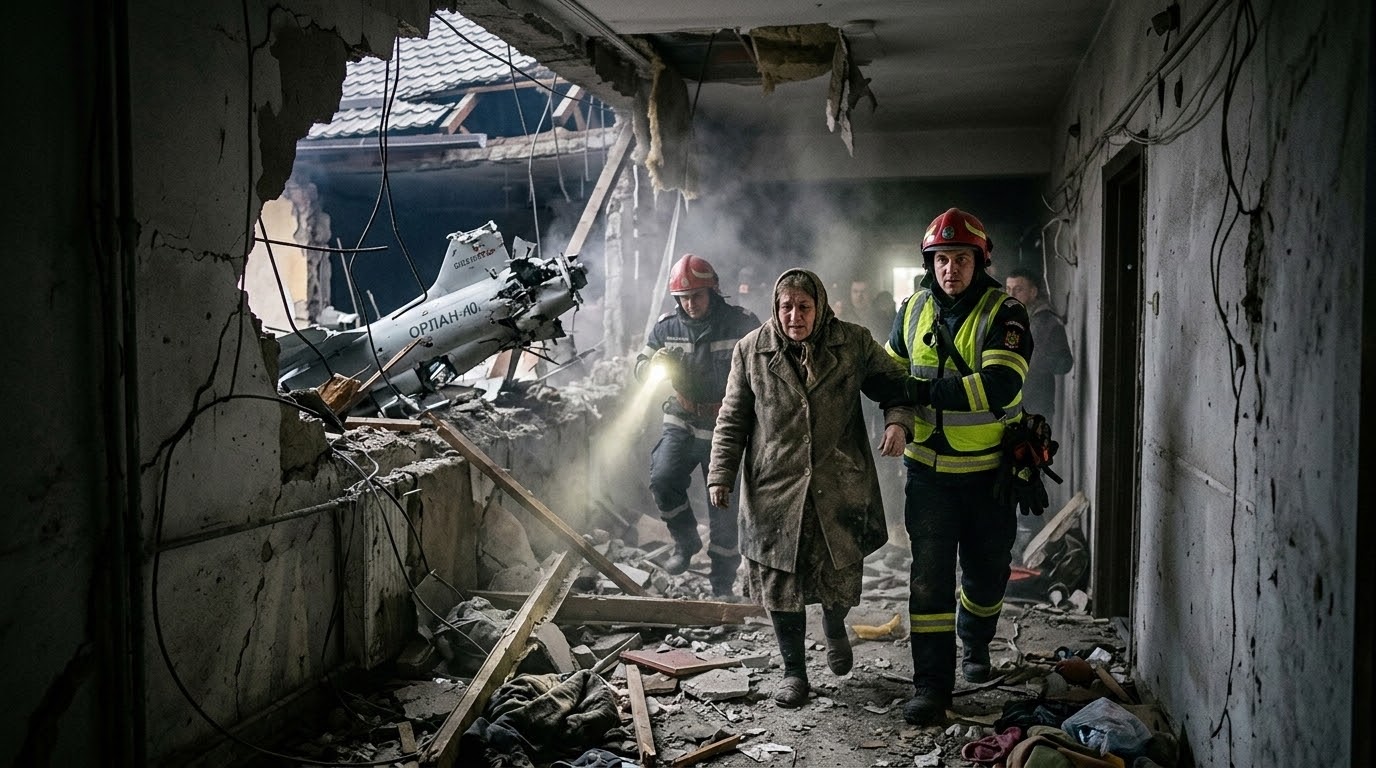
Regional security claims also remained contested. Iran’s Revolutionary Guard said it struck a US base after reported US overnight attacks in southern Iran, and Iranian media said national forces had downed a US aircraft, possibly a drone. US Central Command rejected that assertion, saying no American aircraft had been shot down and all air assets were accounted for. The competing claims have reinforced concerns among external observers that escalation risks remain high even while diplomats negotiate.
What to Expect Next
The next phase is likely to hinge on presidential-level decisions in Washington and Tehran within days. If both sides approve a short-term extension, negotiators are expected to move into deeper technical talks on uranium handling, sanctions implementation, and maritime guarantees in Hormuz. If approvals stall or battlefield incidents continue, the ceasefire could fray quickly, reopening the prospect of renewed strikes and broader regional disruption.