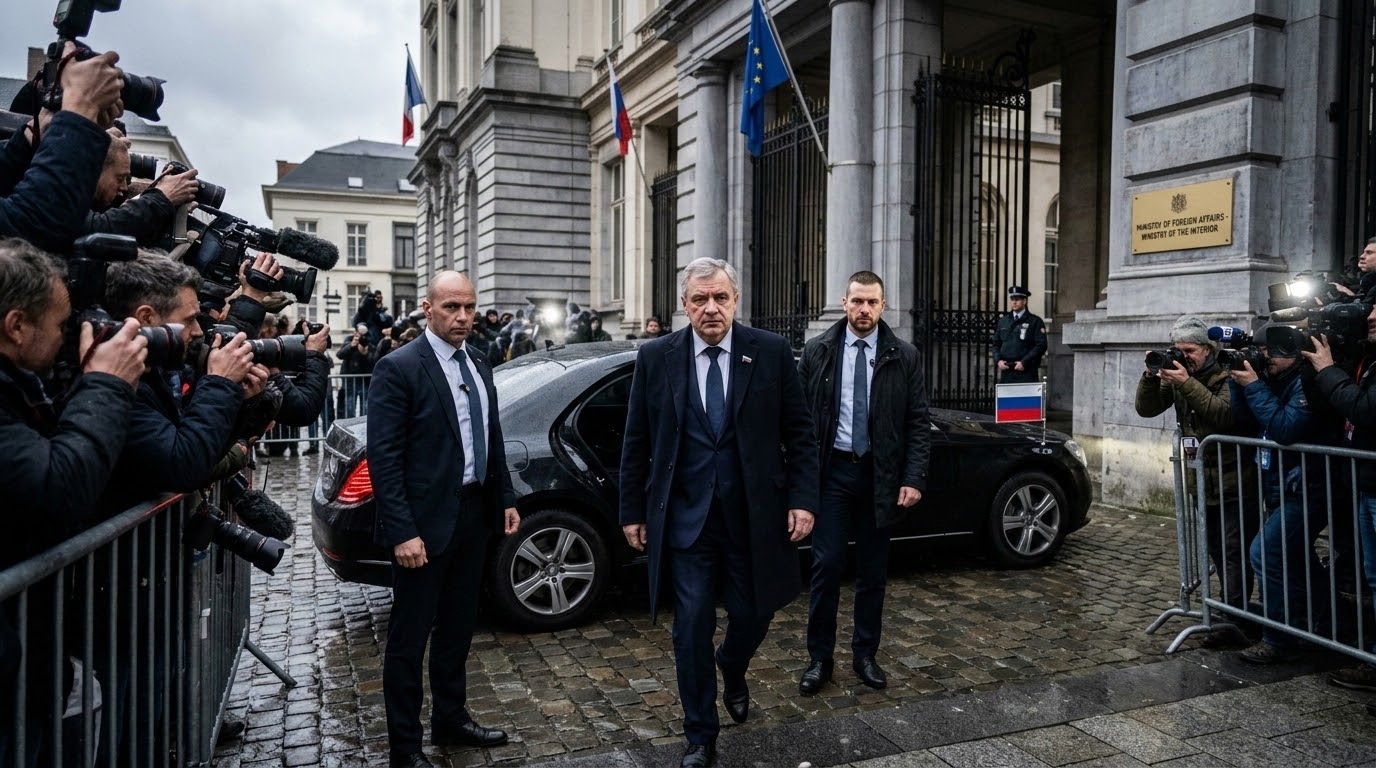
Germany, the Netherlands, Norway and the European Union summoned Russian diplomats on Tuesday after Moscow urged foreign nationals and embassy staff to leave Kyiv, warning of renewed strikes on the Ukrainian capital. The coordinated move marks a sharp escalation in diplomatic tensions and signals growing European alarm over threats directed at civilians and diplomatic missions.
What Happened
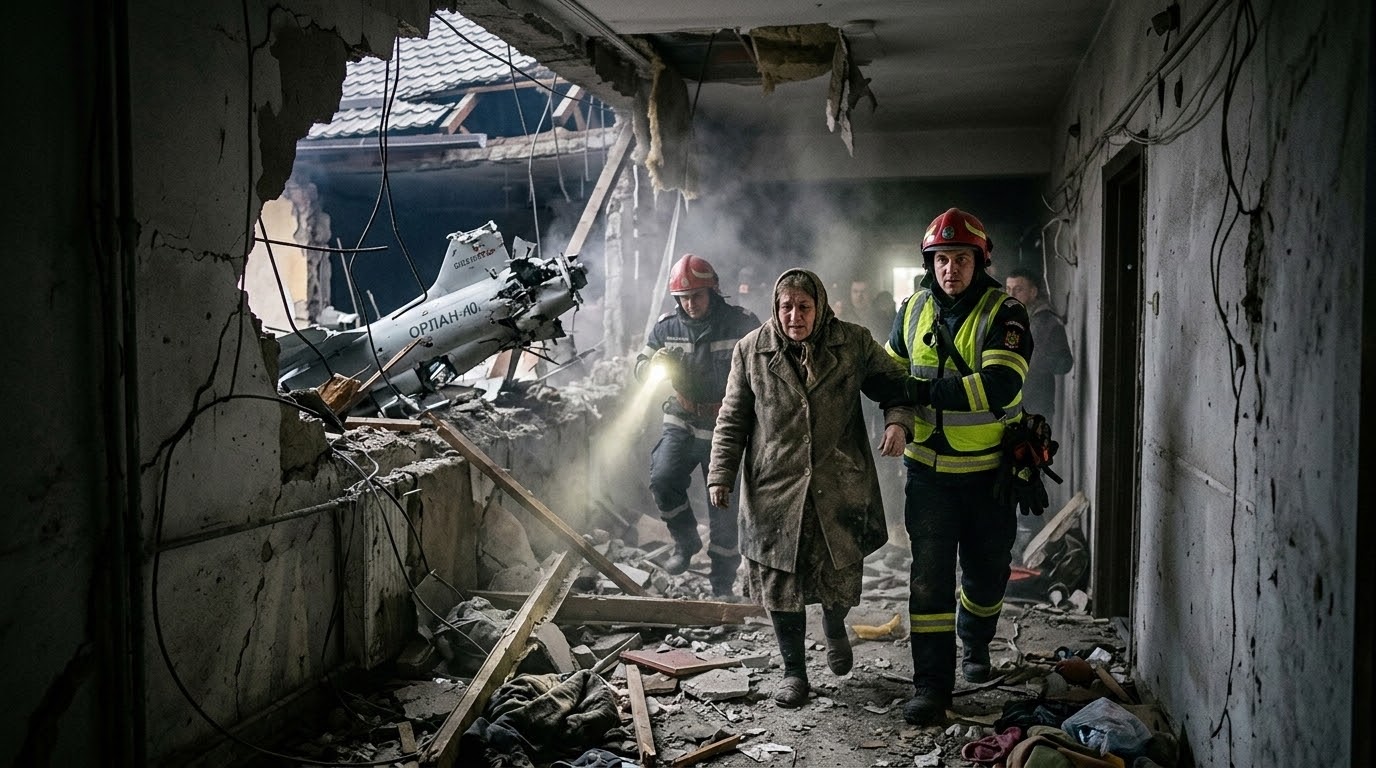
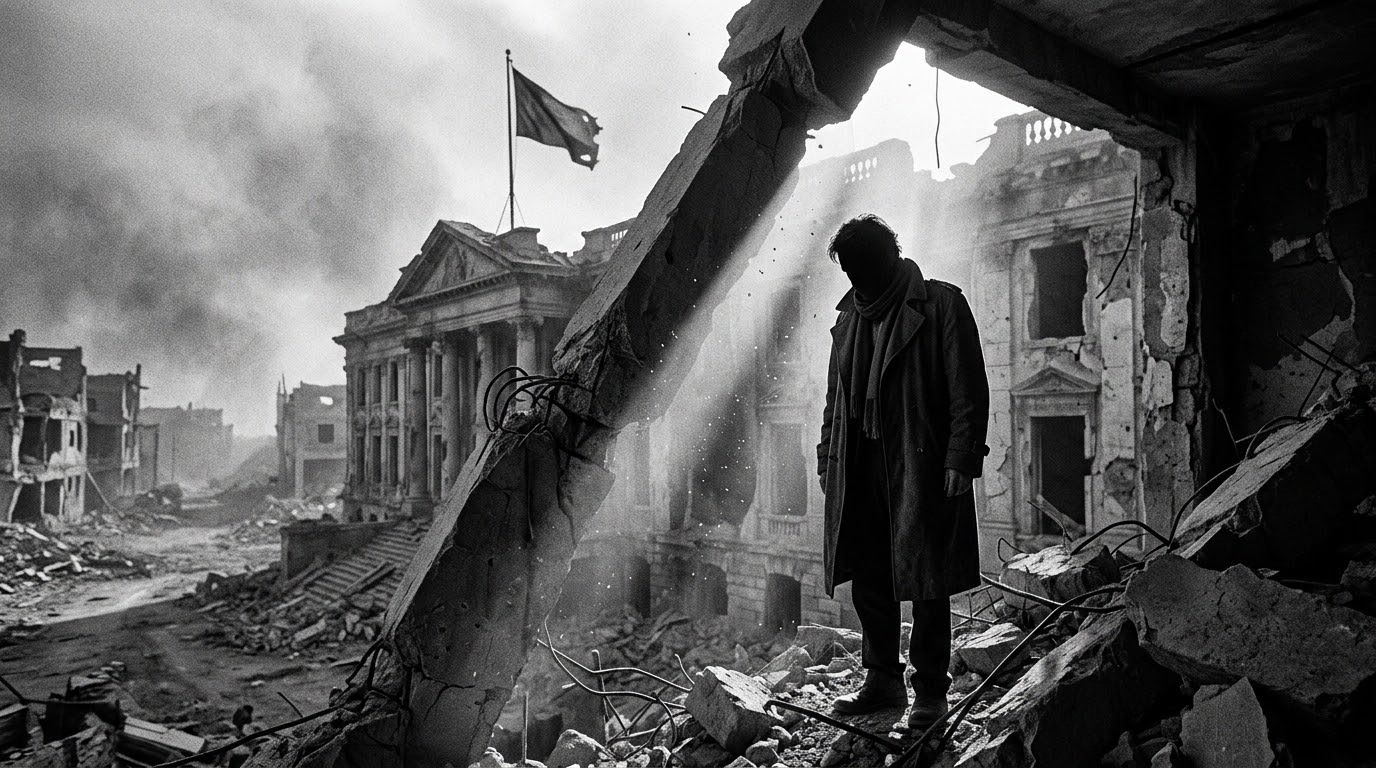
The diplomatic confrontation followed a statement from Russia’s Foreign Ministry on Monday saying its armed forces were beginning what it described as systematic attacks on Ukrainian military-industrial sites in Kyiv. The ministry said strikes would also hit decision-making hubs and command locations, then advised foreign citizens, including personnel from diplomatic missions and international organizations, to leave the city quickly.
The warning came after a weekend wave of Russian drone and missile attacks across Ukraine that killed four people, according to the source material. Among the weapons reportedly used was the Oreshnik hypersonic missile, described as capable of traveling at roughly ten times the speed of sound. Moscow framed its new strike plans as retaliation after accusing Ukraine of hitting a vocational school in Russian-occupied Luhansk last week, an attack Russia said killed 21 people.
Russian President Vladimir Putin on Friday instructed the military to prepare retaliatory options. By Tuesday, European governments responded publicly and directly. Germany’s Federal Foreign Office said Russia was relying on threats, terror and escalation, and confirmed that Berlin had summoned the Russian ambassador. The ministry said Germany would not be intimidated and would continue supporting Ukraine. Norway and the Netherlands also called in Russian ambassadors over the warning tied to Kyiv.
Impact & Consequences
The immediate impact is twofold: a heightened security risk for civilians in Kyiv and a deteriorating diplomatic environment between Russia and European governments. Public warnings that include diplomatic personnel are rare and carry legal and political weight because embassies and international organizations operate under protected status in conflict zones. Even if no diplomatic missions withdraw immediately, contingency planning, reduced movement and emergency protocols are likely to intensify.
Politically, the summons by multiple European actors underscores increasing policy alignment inside Europe on how to respond to Russian military signaling. The step raises pressure on Moscow while narrowing room for informal channels that often operate through embassies during wartime. It also reinforces Europe’s framing that attacks affecting urban areas and diplomatic communities represent a broader challenge to international norms, not only to Ukraine’s battlefield position.
Background & Context
The new standoff follows a short-lived truce earlier this month. At the beginning of May, Russia and Ukraine agreed to a three-day ceasefire during Moscow’s commemorations of the Soviet victory over Nazi Germany in 1945. The pause quickly collapsed, with both sides accusing each other of violations, and combat resumed soon after.
Since then, long-range strikes and counterstrikes have remained central to the war’s trajectory, with both governments emphasizing retaliation narratives. Russia’s latest warning links its planned attacks to the alleged strike in occupied Luhansk, while Ukraine has repeatedly argued that Russian missile and drone campaigns are aimed far beyond purely military targets. The gap between official claims and realities on the ground has made ceasefire diplomacy increasingly fragile, particularly as casualty numbers continue to mount.
International Response
At the EU level, spokesperson Anitta Hipper called Russia’s threat against diplomats and foreign citizens an unacceptable escalation. She said the bloc had summoned Russia’s charge d’affaires and urged Moscow to halt attacks on civilians and enter what she described as genuine peace negotiations beginning with a full, unconditional ceasefire.
The European demarches were accompanied by messaging from Washington. US Secretary of State Marco Rubio said Tuesday that the United States remained prepared to mediate between Russia and Ukraine, even as talks remain stalled. That position keeps a diplomatic track formally open, but the latest exchange suggests the security climate around Kyiv may worsen before any substantive negotiations restart.
What to Expect Next
In the coming days, attention will focus on whether Russia follows through with expanded strikes on Kyiv and whether foreign missions alter their staffing or operations. European governments are expected to maintain coordinated pressure through diplomatic channels while sustaining support for Ukraine. Any renewed mediation effort, including potential US involvement, will likely depend on whether battlefield escalation can be contained long enough to revive ceasefire discussions.