Iran said Monday that negotiations with the United States have produced movement on many core issues, but warned that a final agreement is not close, tempering expectations raised by senior US officials. The talks matter globally because they could reopen the Strait of Hormuz, ease regional tensions, and stabilize energy markets.
What Happened
Speaking in Tehran, Iranian foreign ministry spokesman Esmail Baqai said both sides had reached conclusions on a significant share of topics under discussion, while rejecting suggestions that a signing was imminent. His statement came after US Secretary of State Marco Rubio told reporters in New Delhi that negotiators had hoped for developments overnight and might still receive news during the day.
Rubio also cautioned against reading too much into short-term timing, saying responses from Iran can take time. Weekend comments from President Donald Trump had fueled expectations after he suggested the two sides were nearing an arrangement, though he later said he had instructed negotiators not to move too quickly.
US media reports describe the draft understanding as a limited framework rather than a full settlement. It reportedly includes a 60-day ceasefire extension, reopening the Strait of Hormuz, and further rounds of negotiation on Iran’s nuclear program. Several of the most contentious issues appear deferred, including sanctions relief terms, the release of frozen Iranian funds, and the scope of nuclear restraints sought by Washington.
Impact & Consequences
Even before any formal breakthrough, financial markets reacted. Oil prices dropped sharply on Monday while Asian equities rose, reflecting investor hopes that shipping routes and energy flows could normalize. The Strait of Hormuz handles roughly one-fifth of global oil and liquefied natural gas transit, making any change in its status consequential for inflation, freight costs, and fuel security from Asia to Europe.
Still, analysts caution that practical recovery would be slow. Lars Jensen, chief executive of Vespucci Maritime and a former Maersk director, said on BBC Radio 4 that supply chains would likely need months to return to pre-crisis operating patterns even under a favorable outcome. He said shipping firms would remain careful and reluctant to make large operational changes immediately after any announcement, given continued uncertainty and security risk in the region.
Background & Context
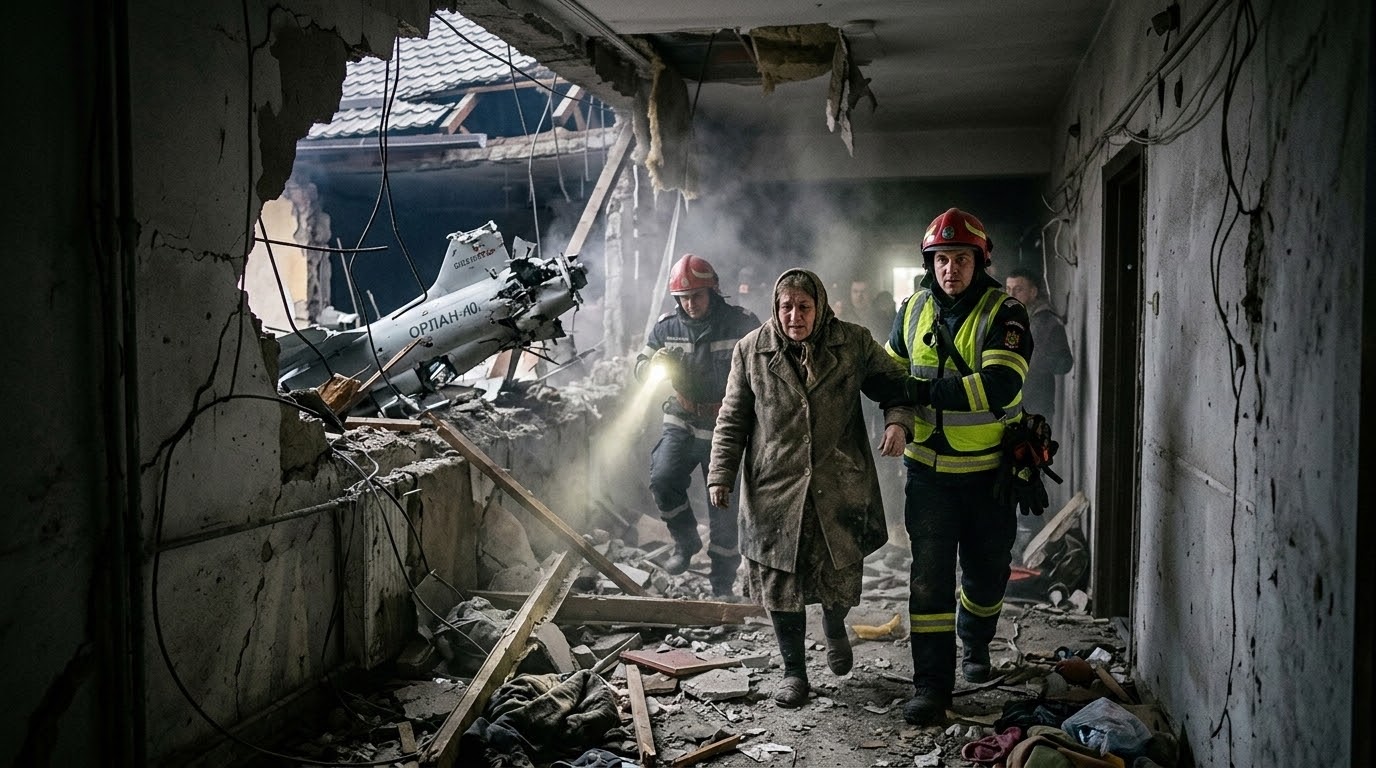
The current diplomacy follows a major escalation that began on 28 February, when the United States and Israel launched broad strikes on Iranian targets. Iran retaliated with attacks on Israel and US-aligned Gulf states and effectively blocked the Strait of Hormuz, triggering a global jump in oil prices and raising fears of wider regional conflict.
A ceasefire was reached in early April, but tensions remained high. Washington then imposed a blockade on Iranian ports, with Trump saying the measure would stay fully in place until an agreement is reached, verified, and signed. Nuclear concerns continue to define the dispute. At the start of the war, Iran was believed to hold about 440kg of uranium enriched to 60% purity, near the level that can be further processed to weapons grade. Tehran maintains its program is peaceful, and President Masoud Pezeshkian has said Iran is ready to reassure the world it is not pursuing a bomb.
International Response
Within the United States, reported terms of the potential arrangement have exposed divisions among Republicans. Senator Ted Cruz called such a deal a disastrous error, while Senator Roger Wicker argued that a 60-day ceasefire would undermine military gains from what he referred to as Operation Epic Fury. Senator Lindsey Graham also criticized any outcome that, in his view, leaves Iran as a dominant regional actor.
Trump pushed back on internal critics in a social media post, saying he would only accept a proper agreement and reiterating that Iran must not obtain a nuclear weapon. Meanwhile, reports from CBS News, the BBC’s US partner, said US intelligence believes Iran’s Supreme Leader Mojtaba Khamenei was injured in an Israeli strike that killed his father and predecessor and is now in an undisclosed location, complicating communications with envoys and potentially slowing decisions in the talks.
What to Expect Next
Diplomats are likely to continue negotiating a phased arrangement in coming days, with immediate focus on maritime access through Hormuz and maintaining a ceasefire. Any announcement may be limited and leave sanctions, frozen assets, and long-term nuclear restrictions for later rounds. Governments, traders, and shipping operators will watch for verification mechanisms and implementation timelines before treating the crisis as materially de-escalated.