Israel’s military said Monday it launched a new wave of attacks across Lebanon after Prime Minister Benjamin Netanyahu announced a sharper offensive against Hezbollah, escalating cross-border hostilities despite an extended ceasefire. The move matters because it deepens a regional flashpoint ahead of fresh U.S.-hosted negotiations and raises pressure on an already displaced civilian population.
What Happened
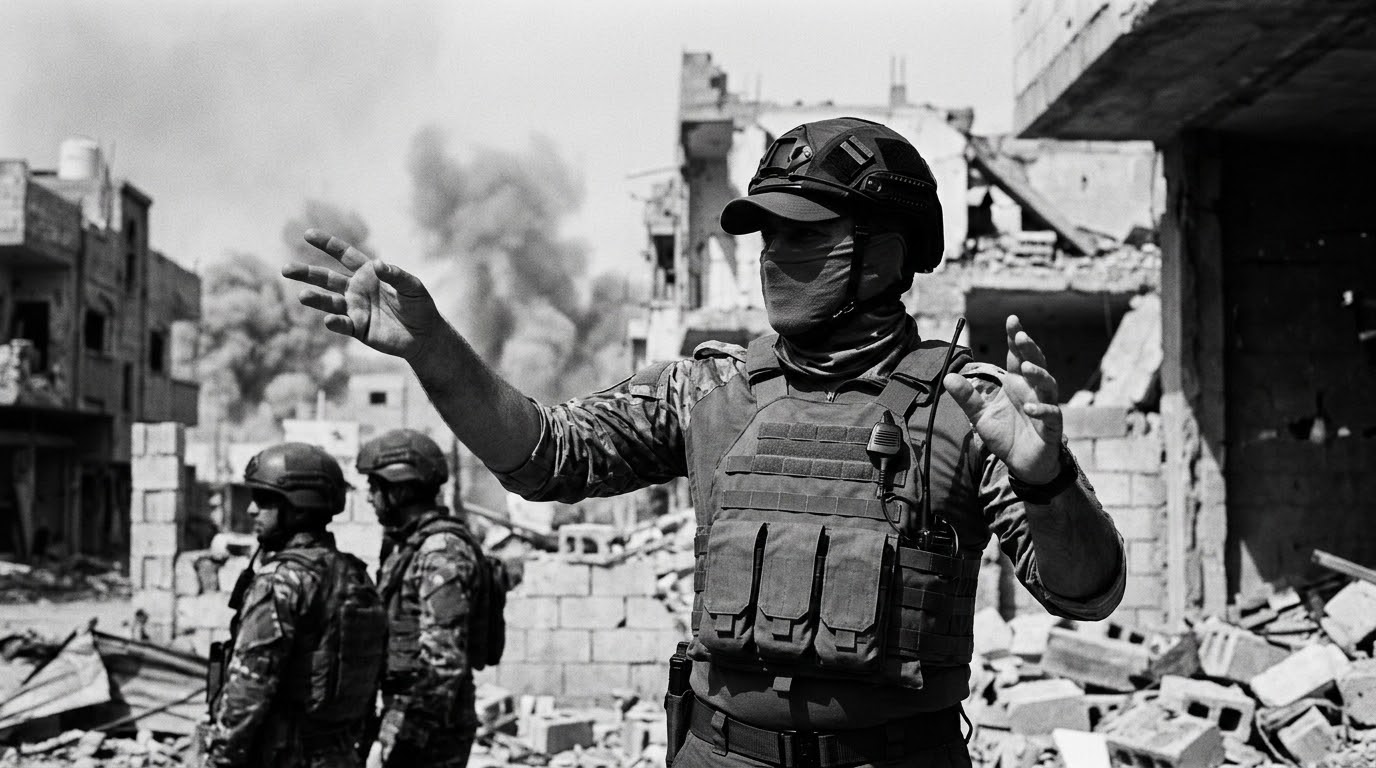
In a video statement on Monday evening, Netanyahu said Israel was “at war with Hezbollah” and had instructed the military to “deal them a crushing blow.” He said Israeli operations had already “eliminated... over 600 terrorists,” then argued the next phase required greater force: “to increase the strikes, to increase the intensity.” Soon afterward, the Israel Defense Forces said it had begun strikes in multiple parts of Lebanon, including the Bekaa Valley in the country’s east near the Syrian border.
Hezbollah said it responded with 22 attacks using drones and rockets. According to the group, targets included Israeli soldiers, armored vehicles, barracks and buildings. It described its operations as retaliation for what it called Israeli breaches of the ceasefire framework. Although Lebanon and Israel agreed earlier this month to prolong a 45-day truce, exchanges of fire have continued at lower but persistent levels.
The political tone inside Israel has also hardened. Far-right ministers Bezalel Smotrich and Itamar Ben Gvir have publicly pressed for a broader campaign, including operations in Beirut. Since the truce signed on 16 April, Israeli strikes had largely focused on southern Lebanon, where Israeli troops remain deployed and where Israel says drone and rocket launches have originated.
Impact & Consequences
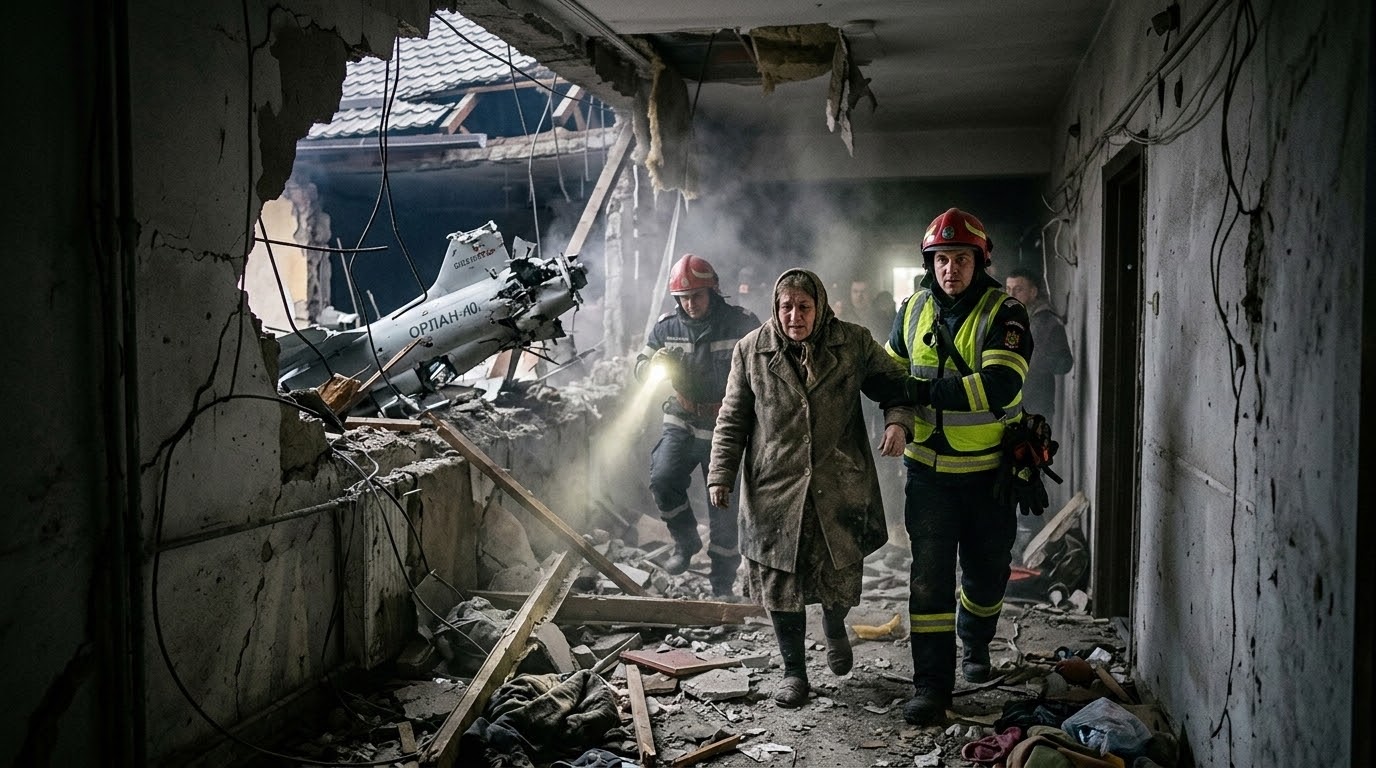
The broadening of Israeli strikes from the south toward eastern Lebanon signals a potentially wider theater of operations, increasing risks for civilians and emergency responders. Since the April ceasefire, ten Israeli soldiers have been killed, while more than 400 people in Lebanon have died in heavy Israeli bombardment over the same period, including many paramedics and civil defense workers. The continuation of hostilities despite a formal truce underscores how limited the current mechanisms are in preventing renewed escalation.
Humanitarian pressure is also worsening. Israel has issued almost daily evacuation orders for new areas in southern Lebanon, compounding displacement that has already surpassed one million people. For Lebanon’s government, the military escalation complicates efforts to reassert state control and disarm Hezbollah, a process Beirut says is complex and difficult to pursue while active fighting continues. Diplomatically, every new strike and counterstrike raises the possibility that negotiations could be overtaken by events on the ground.
Background & Context
The current phase of the conflict follows a broader regional war that intensified on 28 February, when the United States and Israel launched military action against Iran, according to the source account. Lebanon was pulled deeper into confrontation afterward. Hezbollah, closely aligned with Tehran, fired rockets into Israel following an Israeli strike that killed Iran’s Supreme Leader, Ayatollah Ali Khamenei. Israel then mounted a large-scale air campaign across Lebanon and later launched a ground incursion.
Lebanese health authorities say more than 3,000 people have been killed in Israeli attacks since that escalation began. The ceasefire reached on 16 April reduced but did not end combat. Israeli forces have remained in parts of southern Lebanon, and Israel says attacks from Lebanese territory have persisted. Lebanese President Joseph Aoun has demanded a full Israeli withdrawal from the south, while Beirut continues to argue that any durable disarmament of Hezbollah depends on a sustained halt in fighting.
International Response
Regional diplomacy is now competing with battlefield momentum. Lebanese and Israeli officials, who do not maintain formal diplomatic relations, are scheduled for further talks in Washington next week. The planned discussions are seen as a test of whether external mediation can preserve the existing ceasefire arrangement or redesign it into a more enforceable mechanism amid widening strikes.
Iran has added another layer to the talks by insisting that any emerging arrangement with the United States should include a complete ceasefire across all fronts linked to the regional war. Israel’s government, however, has opposed ending military operations against Hezbollah at this stage. That divergence leaves mediators facing difficult sequencing questions: whether to secure immediate de-escalation first, or pair security guarantees with longer-term political and military commitments from both sides.
What to Expect Next
The immediate trajectory points to continued high-tempo exchanges as Israel expands targeting and Hezbollah maintains retaliatory strikes. Attention will center on next week’s Washington meetings, where negotiators must address Israeli troop presence in southern Lebanon, cross-border fire, and enforcement terms for any renewed ceasefire. Absent quick diplomatic progress, the conflict could spread further beyond southern zones, with mounting civilian displacement and a greater risk of broader regional spillover.