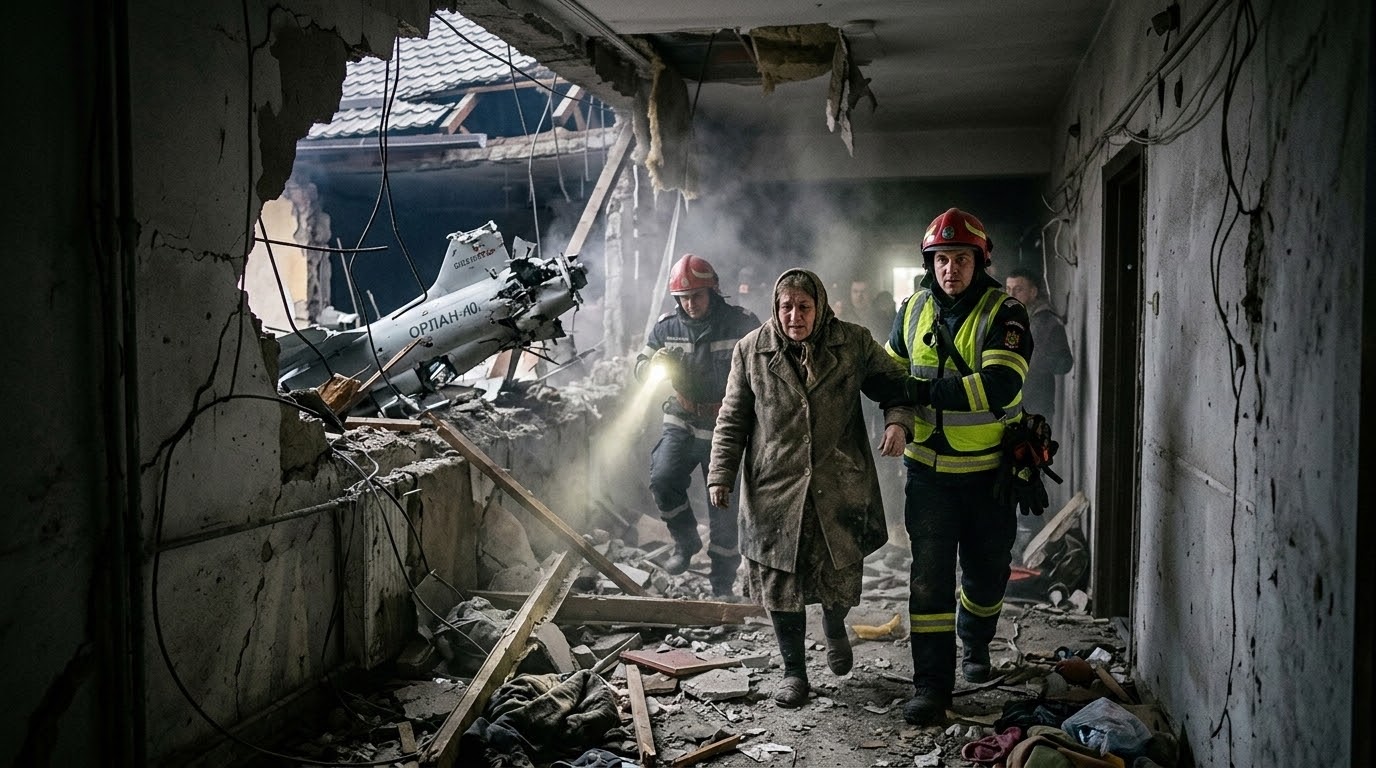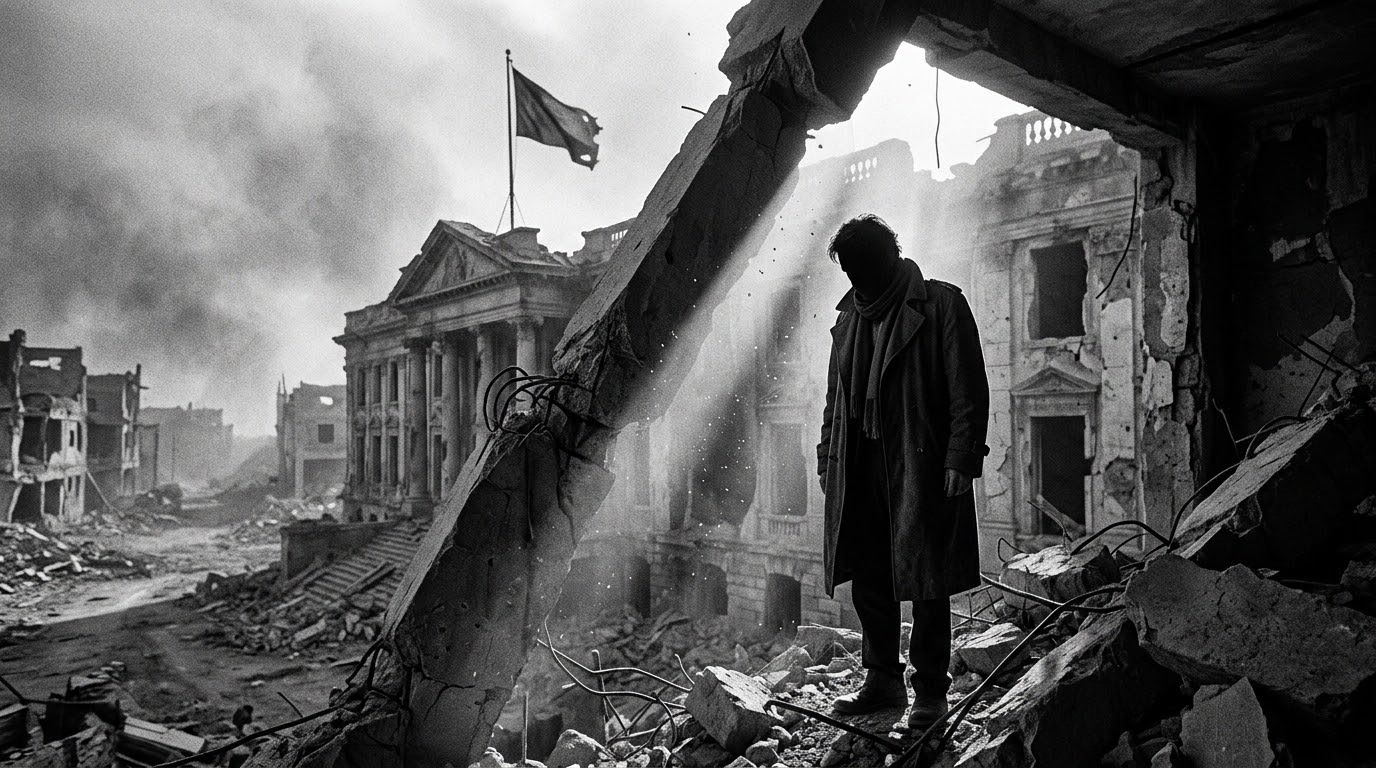
Israel carried out fresh attacks in southern Lebanon on Thursday, including strikes near the major coastal city of Tyre, after ordering residents to move north of the Zahrani River. The military said it was targeting Hezbollah infrastructure and would intensify operations, a move that further strains a ceasefire already disputed by both sides.
What Happened
The Israeli military announced new operations following a Wednesday warning that civilians in broad parts of southern Lebanon should leave areas south of the Zahrani River, roughly 40 kilometers from the Israeli border. The Israel Defense Forces accused Hezbollah of repeated violations of the truce and said it was prepared to act with what it described as extreme force. Lebanese media and state reporting later documented strikes in Tyre and to the city’s east on Thursday morning, including one attack that ignited a building fire.
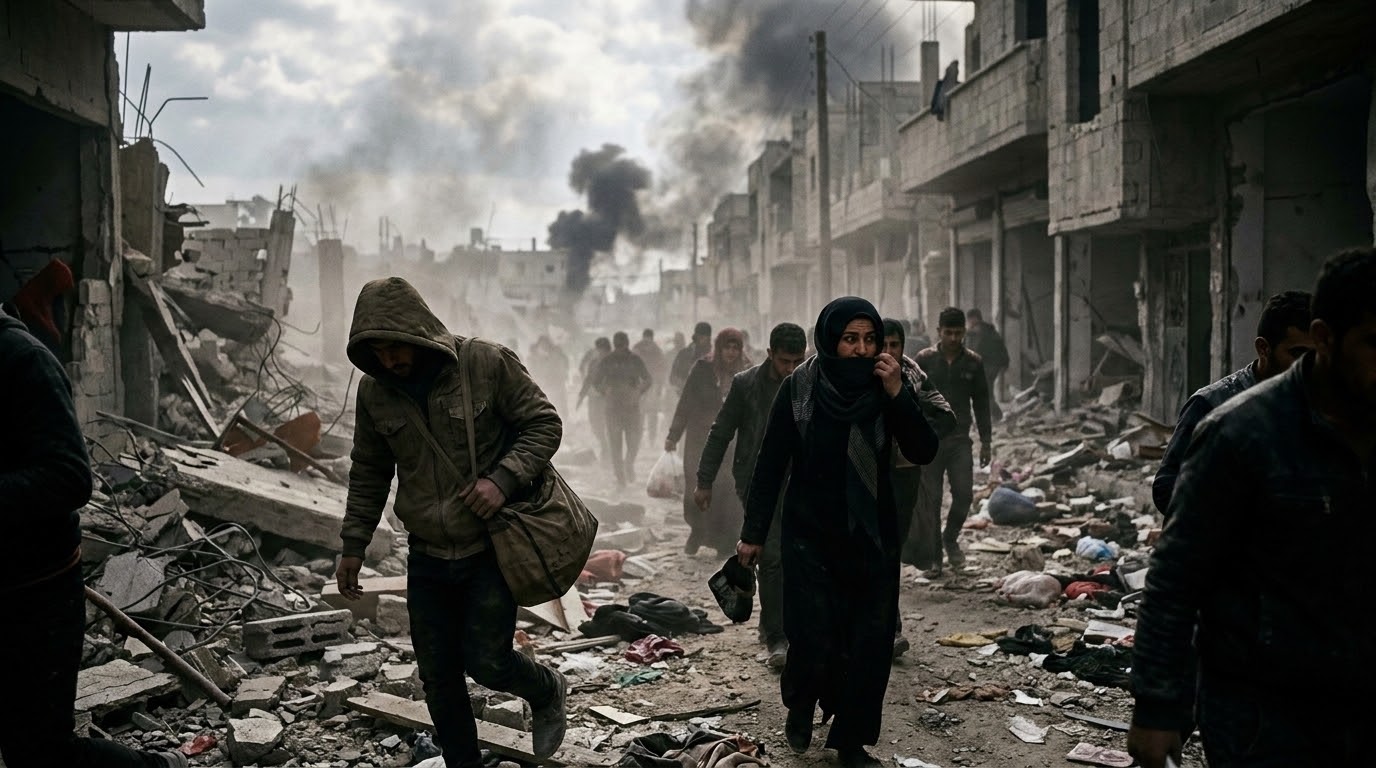
Videos circulated online from Tyre showed residents gathering around damaged structures as dust rose from collapsed sections of buildings. The evacuation order issued on Wednesday was described as the most extensive since the ceasefire began on 17 April, reportedly affecting about 14% of Lebanese territory. It came shortly before additional air raids, as many residents who had returned after the truce were forced to flee again.
Israeli Prime Minister Benjamin Netanyahu had announced an expansion of ground operations after Hezbollah drone strikes that Israel says targeted troops deployed in southern Lebanon and civilians in northern Israel. Hezbollah, for its part, said its fighters clashed with Israeli troops on Wednesday in Zawtar al-Sharqiyeh, north of the Litani River, and characterized the fighting as close-range combat in an area outside what Israel calls its buffer zone.
Impact & Consequences
The latest violence is rapidly worsening civilian hardship across southern Lebanon. The area covered by Israel’s order includes about 300 towns and villages, and local officials and aid workers say many families have no viable destination, particularly those already displaced by earlier fighting. In Tyre, residents who had vowed to remain described a sudden mood shift as people rushed to ports and roads with belongings, fearing another cycle of destruction.
Humanitarian pressure is spreading northward. Relief officials said Sidon is struggling to absorb arrivals and urged movement toward the Beqaa Valley and Mount Lebanon. The head of the International Committee of the Red Cross delegation in Lebanon, Agnes Dhur, warned that conditions in the south are approaching a dangerous tipping point, saying continued hostilities are becoming unsustainable for civilians and could carry long-term consequences for stability and recovery.
Background & Context
The current round of fighting follows months of cross-border escalation between Israel and Hezbollah. Lebanese authorities say at least 3,213 people have been killed in Lebanon since the war began, though official counts do not separate civilians from combatants. Israel has reported 23 soldiers and four civilians killed over the same period on both sides of the frontier.
The conflict intensified after 2 March, when Hezbollah fired rockets into Israel in response to an Israeli strike that killed Iran’s supreme leader, according to the reported sequence from the region. Israel then launched a broad air campaign across Lebanon and later a ground incursion in the south. A temporary ceasefire took effect on 17 April and has been extended twice, but both Israeli and Lebanese officials now accuse each other of violating the arrangement, undermining confidence in its enforcement.
International Response
Although no new multilateral agreement was announced on Thursday, aid agencies and diplomatic observers warned that renewed operations could damage wider regional efforts to de-escalate. The fighting in Lebanon intersects with larger negotiations involving the United States, Israel, and Iran, where Tehran has insisted that any settlement framework must also address Lebanon’s security track.
Israel maintains it will continue military action against Hezbollah when it judges a threat remains. Lebanese officials argue that continuing Israeli strikes themselves breach the ceasefire terms. This mutual accusation cycle has left outside mediators with limited immediate leverage, while humanitarian organizations focus on emergency relocation and assistance for civilians displaced by the latest wave of attacks.
What to Expect Next
In the near term, further Israeli strikes and localized ground clashes remain likely as evacuation orders stay in effect across wide areas of the south. The key unanswered questions are whether ceasefire mechanisms can be restored and whether diplomatic talks can prevent broader regional spillover. For civilians, the immediate outlook is continued displacement, constrained shelter capacity, and uncertain access to aid if fighting expands toward new population centers.