Twenty-six years after Israel ended its 18-year occupation of south Lebanon, the same conflict architecture has returned in expanded form, drawing in Iran and the United States and raising global economic alarm. Lebanon has again become a decisive battleground, where unresolved sovereignty and Palestinian questions are shaping a wider regional war.
What Happened
The current escalation has revived long-standing military and political patterns between Israel and Lebanon, but under far more dangerous regional conditions. The confrontation, once largely contained to cross-border hostilities and local armed factions, has expanded into a multi-front struggle involving Tehran and Washington. Hezbollah remains central, described by regional actors as the core military arm of the Iran-aligned “Axis of Resistance,” and continues to frame its role as armed deterrence against Israel.
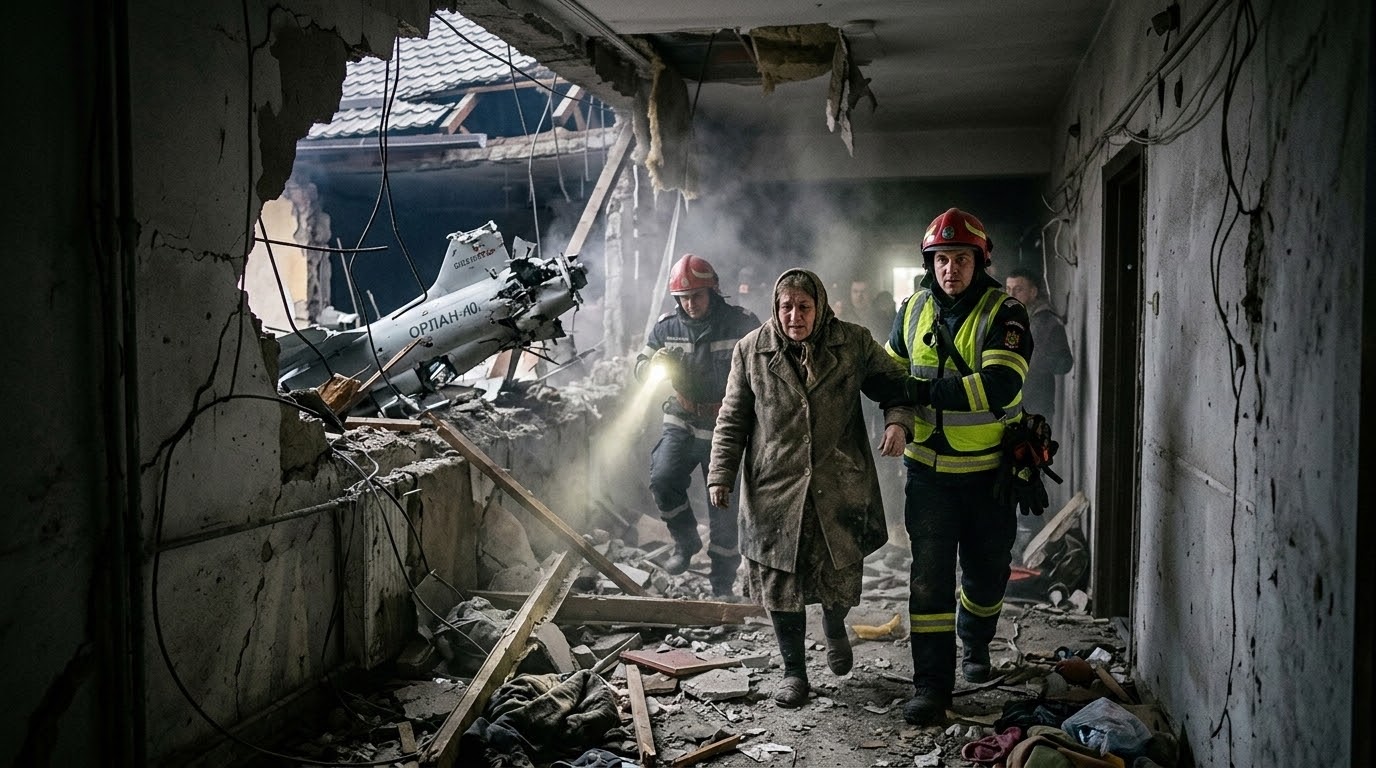
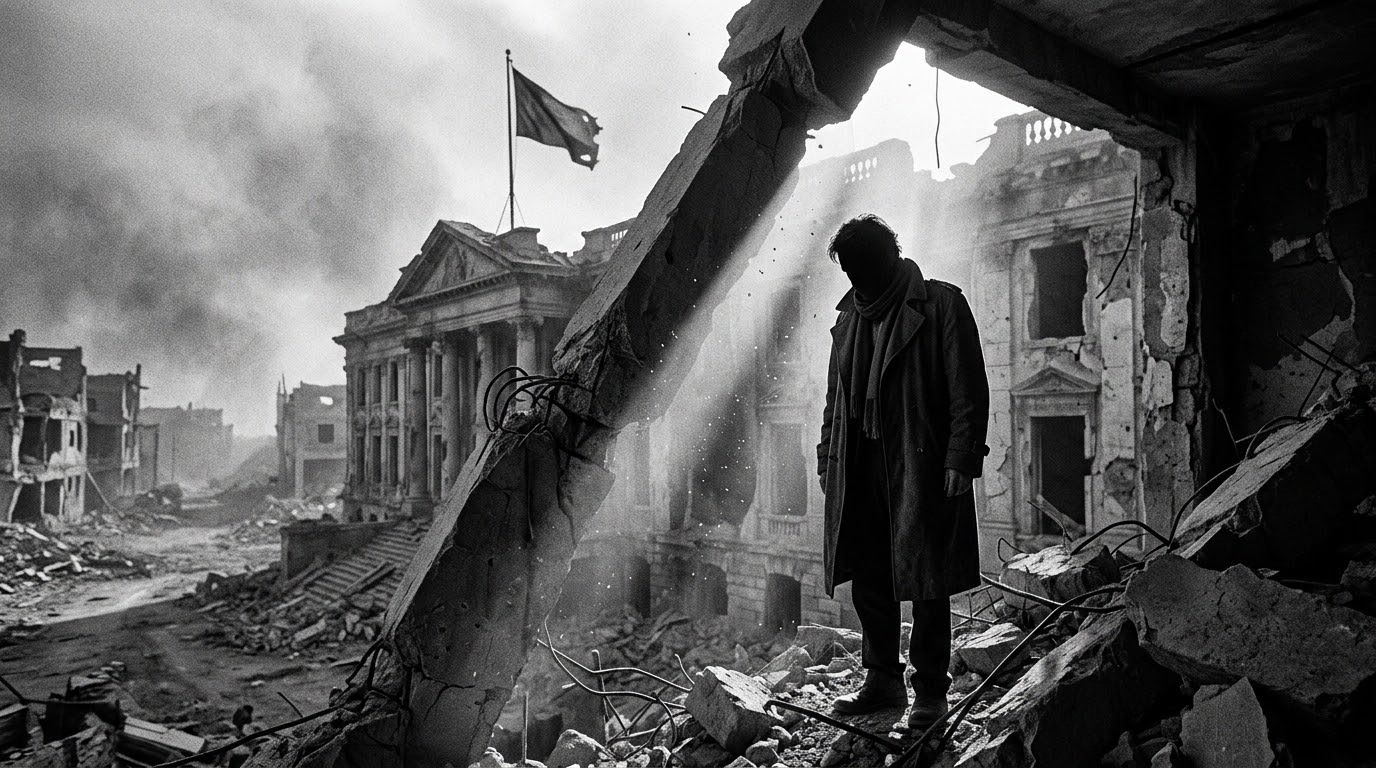
Fighting in 2026 has inflicted severe damage across Lebanon. According to figures cited in the source material, Israeli operations this year have killed more than 3,000 people, displaced about 1.2 million, and devastated dozens of southern towns and villages. The destruction reflects an intensified battlefield doctrine associated with heavy urban bombardment first seen in Beirut’s southern suburbs in 2006 and later applied in Gaza. Although Hezbollah has taken significant losses, it is portrayed as reorganized into a leaner force that still impedes Israeli efforts to establish long-term control or a renewed security belt inside Lebanese territory.
The political track has moved in parallel with military escalation. President Joseph Aoun and Prime Minister Nawaf Salam have faced US pressure to disarm Hezbollah as part of wider security demands linked to Israel. Beirut has also pursued talks it presents as necessary to reduce attacks and recover state authority across all Lebanese land. At the same time, two recent ceasefire moments—first tied to Iran in early April, then to Lebanon days later—have opened a tentative negotiating channel that may be folded into a broader US-Iran framework.
Impact & Consequences
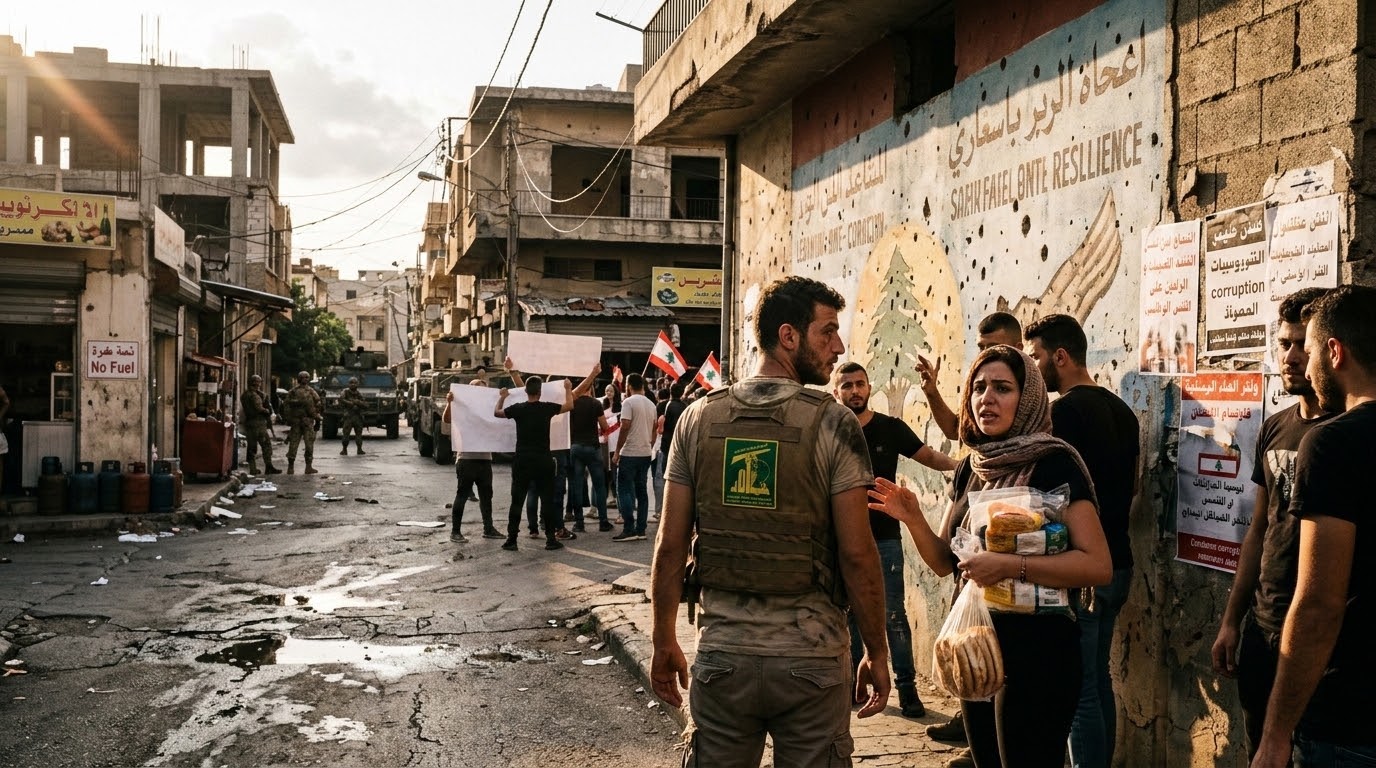
The immediate consequence for Lebanon is a deepening humanitarian and state-capacity emergency. Repeated displacement, damaged infrastructure, and economic collapse are converging with political paralysis, leaving institutions with limited ability to enforce national security decisions or finance reconstruction. Public anger has intensified as civilian communities absorb sustained strikes while national leaders negotiate under external pressure and internal division.
Regionally, the conflict is recalibrating power balances. The source material argues that despite major damage to Iran and Hezbollah, both absorbed a joint Israeli-American military campaign and still reached ceasefire arrangements, suggesting limits to coercive force alone. For Israel, the war has generated strategic and domestic political strain, including mounting pressure on Prime Minister Benjamin Netanyahu. For global markets, the risk lies in continued regional militarization across critical energy and shipping geography, with each escalation cycle raising fears of broader economic disruption.
Background & Context
The roots of the current war predate Hezbollah’s creation. Israeli attacks on pro-Palestinian armed groups in Lebanon began in the 1970s, embedding the Lebanese front within the unresolved Palestinian question. After Israel’s 1982 invasion, Iran’s support for Hezbollah transformed southern Lebanon into a durable axis of confrontation between Tehran and Tel Aviv, with the United States steadily aligned with Israeli security doctrine.
Israel’s withdrawal from south Lebanon in 2000 ended direct occupation but did not resolve core disputes over borders, deterrence, or non-state arms. Since then, battlefield technology has shifted dramatically: missiles, drones, and air-defense penetration now influence strategic calculations on both sides. Meanwhile, Syria’s reduced role has altered logistics for Hezbollah, while Lebanon’s prolonged financial collapse has weakened the state. These factors have combined to recreate pre-2000 political fractures—especially over Hezbollah’s weapons—inside a far more volatile regional environment.
International Response
Washington has publicly backed Israel while pressing Beirut to neutralize Hezbollah’s military role. US leverage has included linking reconstruction support to Lebanese compliance with security demands, according to the source text. The same text also characterizes US policy as uneven in ceasefire enforcement, citing tolerance of Israeli violations and endorsement of Israeli pre-emptive strikes in Lebanon.
Other powers have sought de-escalation through different channels. China, Saudi Arabia, Türkiye, Pakistan, and Russia are identified as actors pushing to end the Iran war theater and restore calm and Lebanese sovereignty. Tehran, despite sustaining damage, appears intent on ensuring Lebanon is included in any regional settlement. The resulting diplomatic field is fragmented but active, with ceasefire architecture increasingly tied to broader US-Iran bargaining rather than a stand-alone Lebanon track.
What to Expect Next
The next phase will likely hinge on whether temporary ceasefires evolve into enforceable political arrangements for both Lebanon and the wider Iran-Israel confrontation. Key tests include reconstruction financing, pressure on Beirut over Hezbollah’s arms, and mechanisms to prevent renewed cross-border escalation. Diplomats also face the larger unresolved driver cited by regional analysts: without credible movement on Palestinian rights and mutual sovereignty guarantees, current truces may remain fragile pauses rather than a durable end to war.