Saudi Crown Prince Mohammed bin Salman’s decade-long drive to remake the kingdom through Vision 2030 has entered a new phase, with several flagship megaprojects now reduced, delayed, or dropped as financial pressure, geopolitical uncertainty, and weaker-than-expected foreign investment force a strategic reset in Saudi Arabia.
What Happened
In recent months, Saudi authorities have moved away from some of the most ambitious concepts associated with Vision 2030, the national transformation program launched in 2016 and heavily backed by the Public Investment Fund (PIF), whose assets are valued at roughly $1 trillion. Projects once promoted as symbols of a post-oil future are now being recalibrated as officials emphasize spending efficiency over scale.
Among the biggest changes is Neom, the $500 billion development in northwestern Saudi Arabia. The Line, originally presented as a straight, high-density city extending more than 100 miles (161 km), is now widely viewed as being downsized. Trojena, envisioned as a year-round mountain resort with extensive ski infrastructure, has also been curtailed. Plans tied to hosting the 2029 Asian Winter Games there have fallen away, with Kazakhstan set to host instead. Another high-profile concept, The Cube, a giant mixed-use structure projected to cost about $50 billion, has been scrapped.
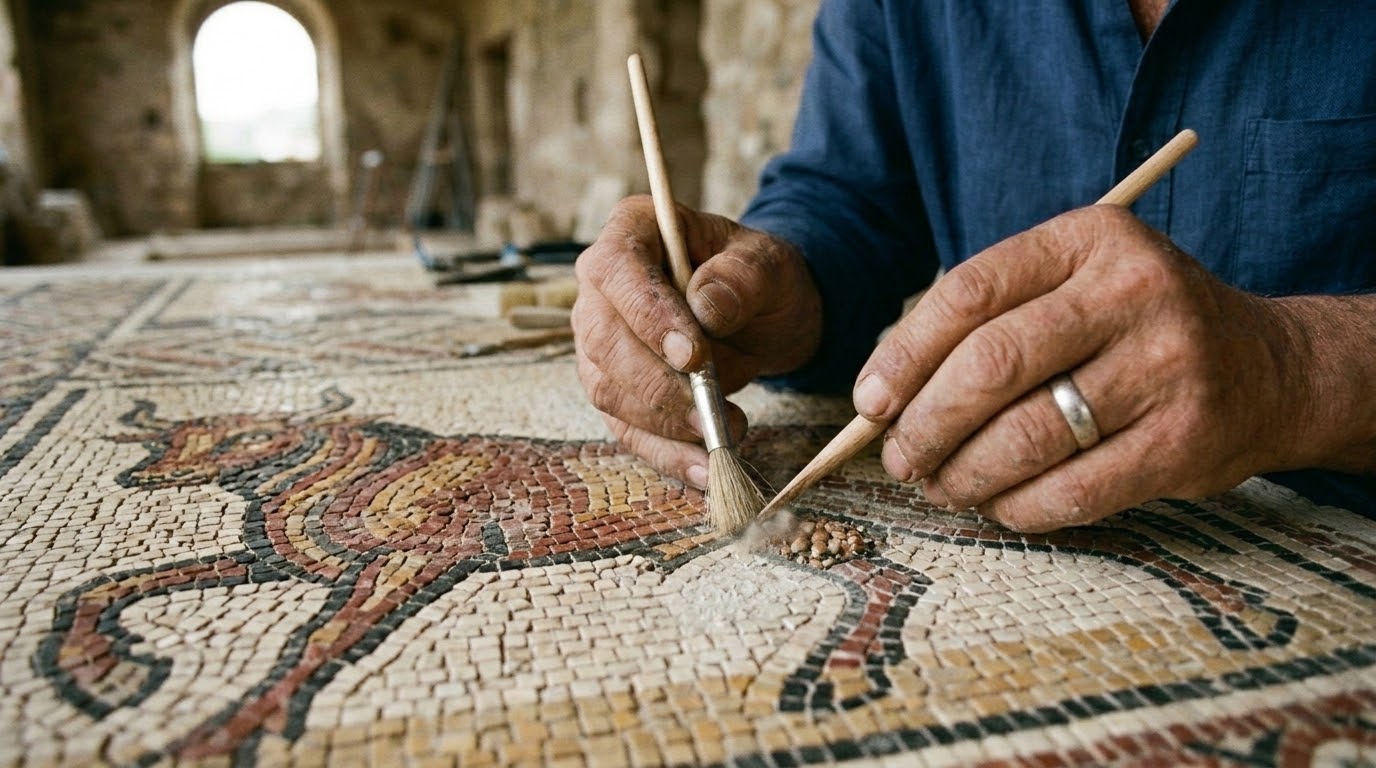
Saudi Arabia’s sports investments are also under review. The LIV Golf tour, once central to Riyadh’s push into global sport, has reportedly cost around $5 billion so far and is increasingly seen by observers as failing to deliver either strong financial returns or the intended reputational gains. Officials have meanwhile highlighted more conventional projects, including Sindalah’s resort model, Diriyah’s redevelopment, Qiddiya’s theme park plans, and AlUla’s heritage-led tourism strategy.
Impact & Consequences
The retrenchment carries implications for Saudi Arabia’s economy and global positioning. For investors, the shift from ultra-large announcements to tighter project selection could improve confidence if execution becomes more predictable. PIF governor Yasir al-Rumayyan has signaled this direction explicitly, saying the fund’s latest five-year approach will prioritize spending efficiency and sustainable performance assessment to protect long-term financial resources.
At the same time, abrupt revisions to high-profile plans may reinforce concerns about strategic volatility. The kingdom had aimed to attract substantial private and foreign capital to match state-led oil wealth, but inflows into many frontier projects have not reached expected levels. The reset also affects international industries that benefited from Saudi spending in sport, entertainment, and culture, where some partners now face a slower pipeline or tighter funding environment. Domestically, however, the government still presents the changes as practical sequencing rather than a reversal, betting that visible, achievable wins can maintain public support and momentum.
Background & Context
Saudi Arabia’s diversification push predates Mohammed bin Salman. Earlier efforts, including King Abdullah’s “Economic Cities” program in the 2000s, sought to reduce dependence on crude exports but produced mixed outcomes despite major expenditure. King Abdullah Economic City, budgeted around $100 billion, was completed but did not fully meet ambitions to become a major business and tourism engine.
Vision 2030 was designed to go further by combining economic diversification with social and political restructuring. The social opening included landmark moves such as allowing women to drive and expanding entertainment options in cities like Riyadh. Yet political liberalization did not follow. The 2017 Ritz-Carlton detentions of elites and businessmen and the 2018 killing of journalist Jamal Khashoggi in Istanbul damaged Saudi Arabia’s international image and, according to critics, heightened investor concerns about legal predictability. Supporters of the crown prince argue he inherited a system at risk of stagnation and forced overdue reform; critics say execution has often outrun market reality.
International Response
External reactions are mixed, combining cautious approval with skepticism. Some Gulf analysts say Riyadh’s willingness to publicly acknowledge course corrections marks a break from older patterns of opacity. They argue this could help diplomatic and business engagement, especially if project governance becomes clearer and targets more measurable.
Others say transparency remains partial and that investors still require stronger assurances around consistency, regulation, and political risk. The regional security shock from the war involving the US, Israel, and Iran has added further uncertainty. Analysts note that sectors Saudi Arabia had prioritized for new investment, including tourism, manufacturing, and parts of technology, have been affected by conflict-driven risk perception, while mining appears comparatively resilient. Messaging around Neom’s future role, including a heavier AI focus, has shifted rapidly, fueling debate over whether adaptability reflects pragmatism or strategic drift.
What to Expect Next
Saudi Arabia is expected to continue narrowing Vision 2030 toward projects with clearer commercial pathways and faster delivery timelines, while preserving major prestige goals such as hosting the 2034 FIFA World Cup. The key test over the next several years will be whether Riyadh can convert scaled-back ambition into reliable execution, attract durable foreign capital, and sustain domestic support without the constant launch of costly headline megaprojects.