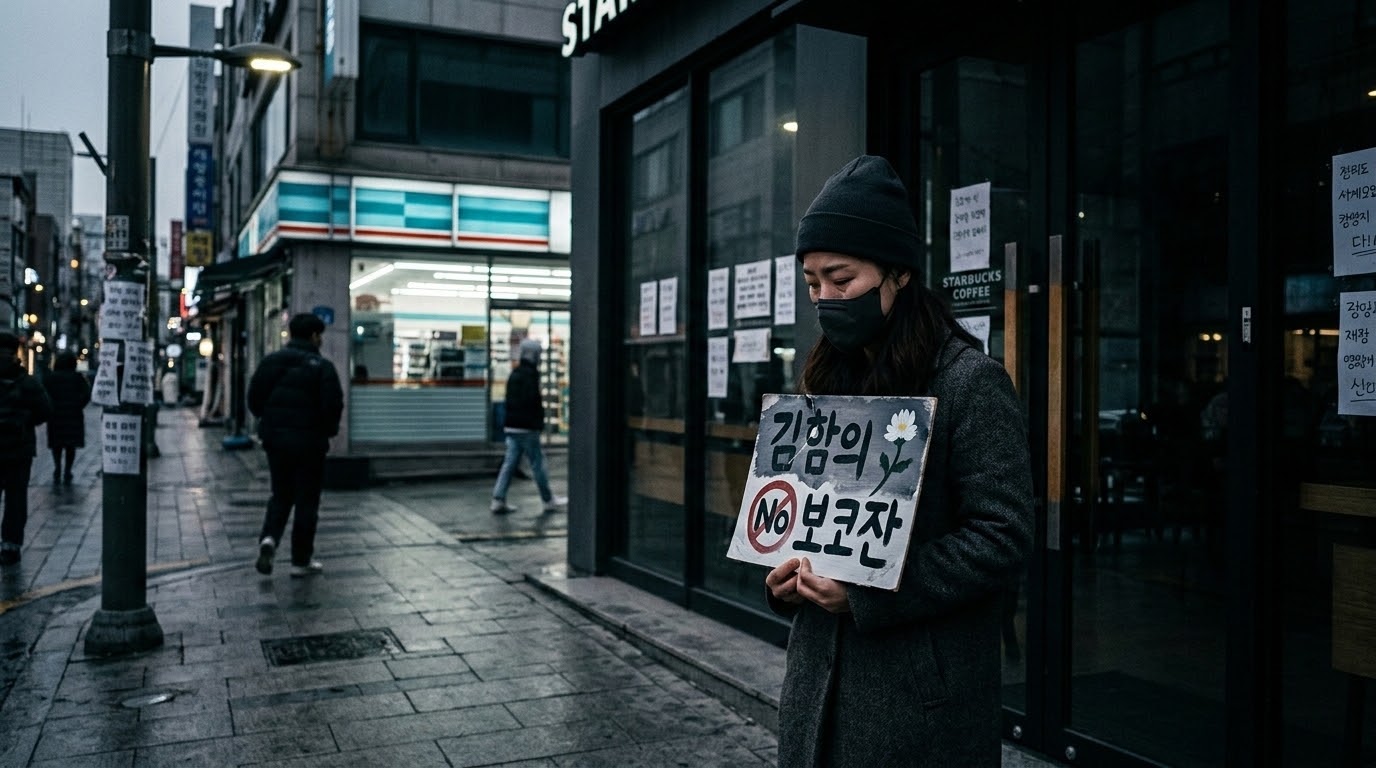
Starbucks Korea’s operator has reported a steep decline in revenue after a promotional campaign launched around the May 18 anniversary ignited outrage in South Korea, where memories of the 1980 Gwangju military crackdown remain deeply sensitive. Shinsegae Group’s chairman publicly apologized on Tuesday, calling the campaign inappropriate and taking responsibility as political leaders and citizens intensified pressure on the brand.
What Happened
The controversy centers on a Starbucks Korea marketing initiative known as “Tank Day,” introduced on the anniversary of the May 18 Gwangju Uprising. That date marks the pro-democracy protests in Gwangju that were violently suppressed by troops under Chun Doo-hwan’s military regime. Critics said the campaign’s language and timing were offensive and retraumatizing for survivors, bereaved families, and the wider public.
At a Tuesday press conference, Shinsegae Group chairman Chung Yong-jin issued a direct apology and said he would bear responsibility for the fallout. He also appealed to the public not to target shop workers, stressing that front-line employees should not be blamed for decisions made by management. Chung had already issued an earlier apology on May 19, saying the campaign had caused deep pain to victims and families connected to the May 18 Democratization Movement.
The corporate response escalated last week, when Shinsegae dismissed the head of Starbucks Korea after acknowledging the seriousness of the incident. Starbucks global headquarters also apologized and said an investigation was underway. A Shinsegae official said sales had dropped sharply since the backlash began, describing the decline as very significant, even while saying the company’s immediate focus was not on revenue recovery.
Impact & Consequences
The fallout has quickly moved beyond reputational damage into commercial and political consequences. Calls for consumer boycotts spread online and offline, and criticism was amplified by senior state officials. Interior and Safety Minister Yoon Ho-jung announced that Starbucks products would no longer be used at government events, condemning what he described as behavior contrary to historical memory. President Lee Jae Myung also condemned the campaign on X, framing it as an affront to democracy, human rights, and social values.
Inside the company, the crisis has prompted disciplinary scrutiny and deeper questions about oversight. Jeon Sangjin, a senior Shinsegae executive, said internal reviewers had not yet found conclusive proof that staff intentionally ridiculed the pro-democracy movement, an allegation employees denied. However, he said some workers declined requests to hand over smartphones during a weeklong internal review, raising concerns about full cooperation. Jeon said the company would align further action with police findings and dismiss any employee shown to have acted with intent to mock protesters.
Background & Context
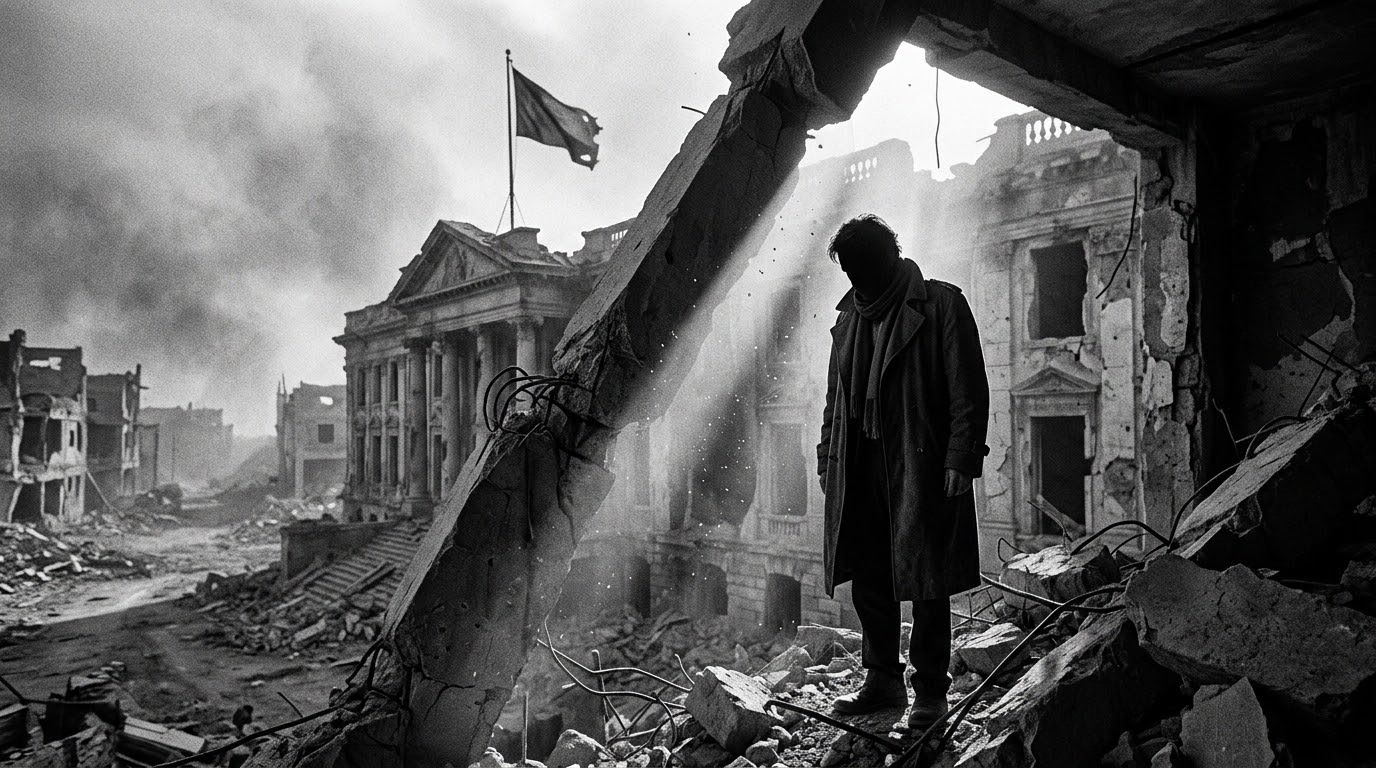
The May 18 Gwangju Uprising is one of modern South Korea’s most painful and defining historical events. In 1980, citizens protesting authoritarian rule were met with military force. Hundreds are estimated to have been killed or gone missing during the crackdown. Although the uprising later became a symbol of democratic resistance, many facts remain contested or unresolved, including accountability for orders to open fire.
Because of this unresolved trauma, public references to tanks, military force, or symbolic language tied to that period are often treated with extreme caution. Corporate messaging that appears to commercialize or trivialize the event can trigger immediate, broad-based backlash across political lines. In that context, the Starbucks Korea campaign was perceived not as a routine branding error but as a breach of civic memory in a country where historical reckoning remains central to democratic identity.
International Response
While the backlash has been driven primarily inside South Korea, the response has also carried international dimensions due to Starbucks’ global profile. Starbucks’ parent organization issued its own apology and confirmed an investigation, signaling concern over the impact on the company’s broader brand standards and governance. The case has drawn attention among multinational firms operating in South Korea, where historical and political sensitivities can rapidly affect market performance.
Analysts watching the episode say global consumer brands are likely to review localized campaign approval processes after this incident, particularly for anniversaries linked to conflict or human rights abuses. The controversy also highlights how domestic political leaders can shape corporate risk by endorsing boycotts or procurement restrictions, potentially turning a marketing failure into a state-level issue with wider implications for international business practice.
What to Expect Next
Attention now shifts to parallel internal and police inquiries, which will determine whether misconduct was a severe misjudgment or deliberate provocation. Shinsegae has pledged to dismiss any employee found to have intentionally mocked the May 18 movement, while trying to stabilize store operations and protect staff from public anger. Further developments are likely to include disciplinary announcements, additional apology measures, and close scrutiny of how Starbucks Korea reforms campaign oversight.