The United States military launched fresh strikes on Iranian targets near Bandar Abbas on Wednesday, the second such operation in three days, as both countries attempt to preserve a fragile ceasefire while negotiating an end to a three-month war that has disrupted shipping through the Strait of Hormuz and rattled energy markets.
What Happened
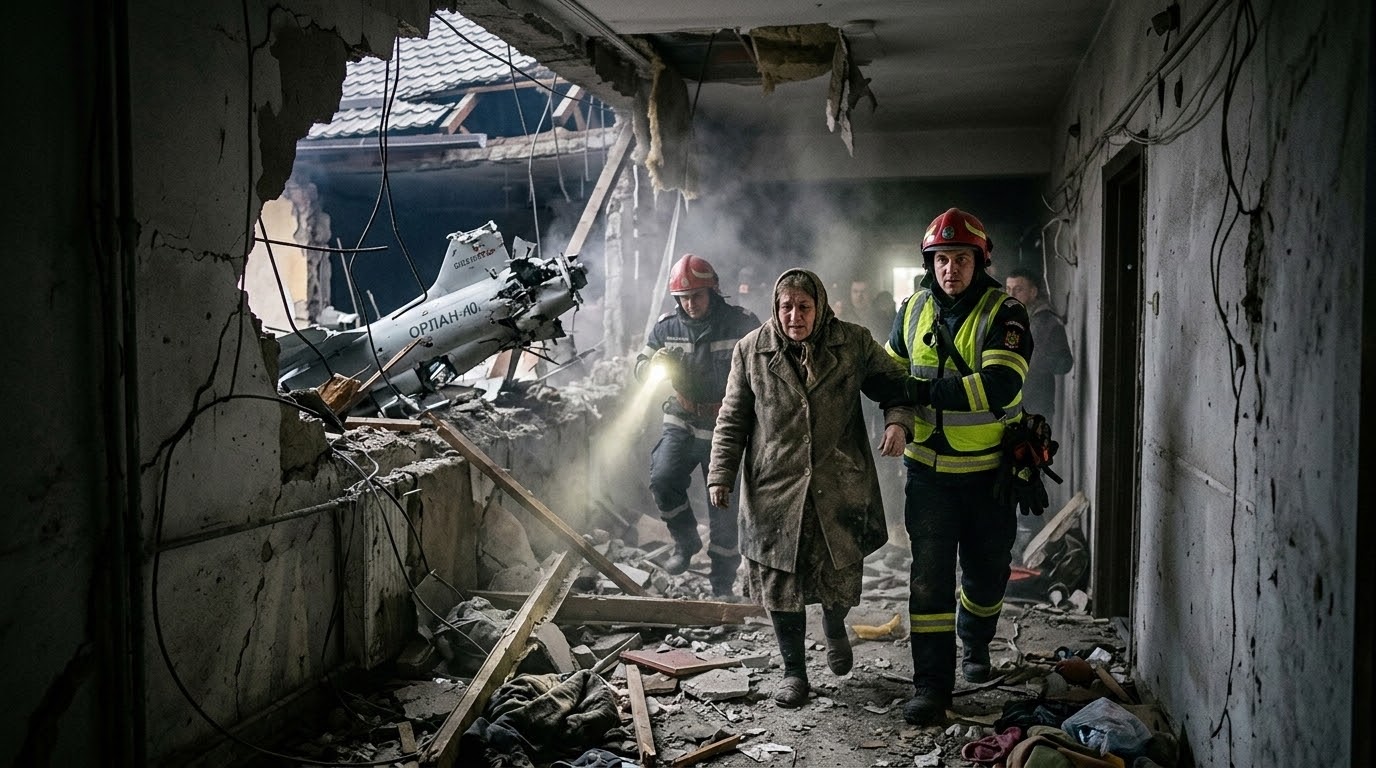
US Central Command said its forces targeted a military facility in the Iranian port city of Bandar Abbas after identifying preparations to launch another one-way attack drone. According to Centcom, US forces had already intercepted and destroyed four Iranian drones that it said posed a threat in the waters around the Strait of Hormuz before striking the launch site to prevent a fifth drone from taking off.
Iranian state-linked media reported explosions east of Bandar Abbas around the time of the operation. Centcom described the mission as restrained and defensive, saying it was intended to protect US personnel and support the existing ceasefire framework rather than widen the conflict. The latest strike follows US attacks earlier in the week on missile positions in southern Iran and on boats allegedly involved in mine-laying activity in the strait.
Tehran condemned the new operation as a serious breach of the truce, warning it would respond to hostile actions. Iran’s Islamic Revolutionary Guard Corps also said on Tuesday that it had shot down a US drone and fired at a US fighter aircraft and another drone after what it called an airspace violation, though it did not provide specific timing for those incidents.
Impact & Consequences
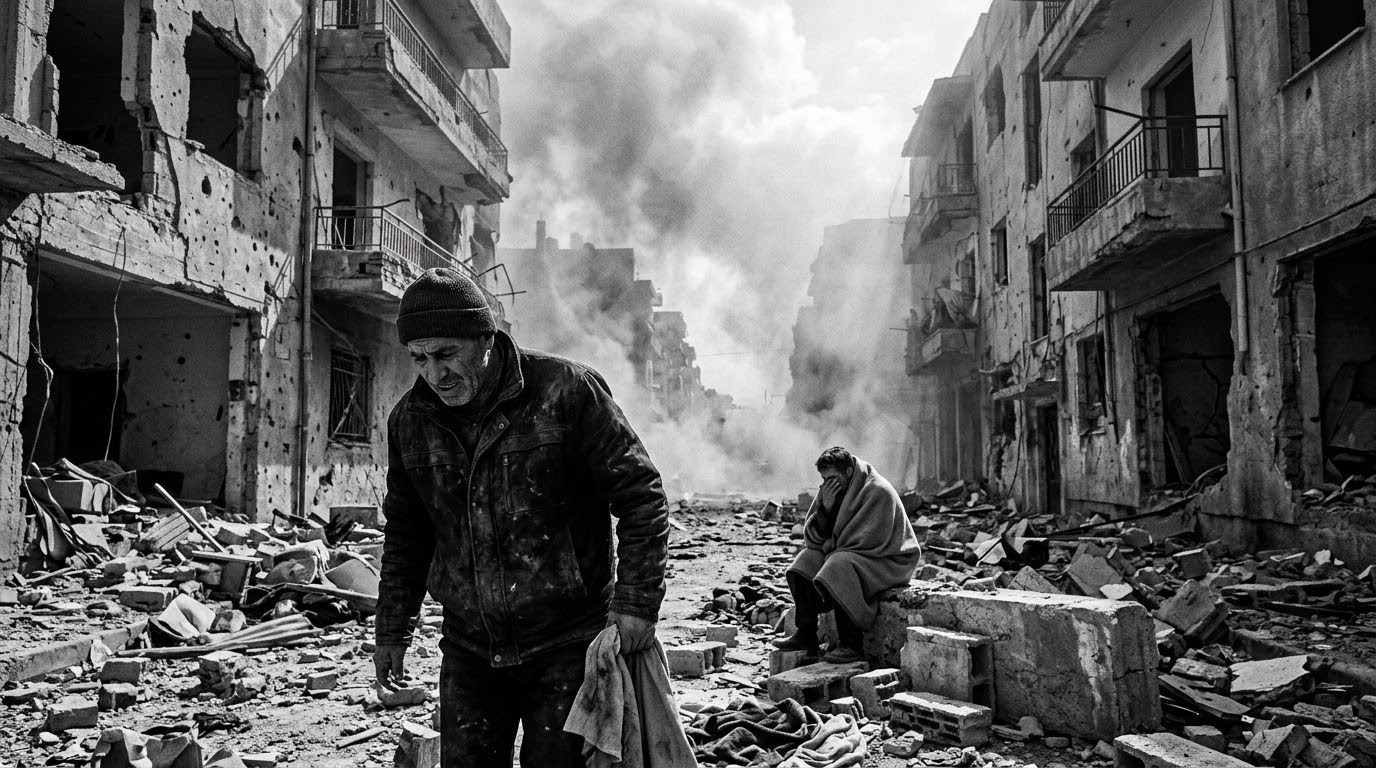
The renewed exchange increases the risk of direct escalation in one of the world’s most strategically important maritime corridors. The Strait of Hormuz handles a major share of global seaborne oil exports, and the conflict has already left thousands of commercial tankers delayed or stranded, adding pressure to fuel prices and insurance costs for shipping operators.
Diplomatically, the latest strikes place additional strain on negotiations that had shown tentative momentum late last week. Both Washington and Tehran had signaled possible progress, but each side has since hardened public messaging. If military activity continues while talks remain unresolved, regional governments may face rising security costs and renewed pressure to align with one side or the other, increasing the chance of a broader confrontation across the Gulf and eastern Mediterranean theaters.
Background & Context
The current war began on 28 February, when Israel, operating alongside the United States, launched military action against Iran. Since then, the conflict has expanded beyond direct US-Iran exchanges, intersecting with Israel’s ongoing war against Iran-backed Hezbollah in Lebanon and raising fears of a multi-front regional crisis.
US President Donald Trump said during a cabinet meeting on Wednesday that Iran was under severe pressure and had limited room to maneuver in negotiations. He reiterated that Washington could resume a larger bombing campaign if talks fail to meet US terms. Over the weekend, Trump had suggested a settlement was largely in place, but by midweek he said the United States was not satisfied with the current state of discussions. Iranian state television later aired purported details of a draft accord, including reopening Hormuz and a US troop withdrawal from the region, claims the White House dismissed as fabricated.
International Response
Regional and international actors have closely watched the military and diplomatic swings, with Gulf states particularly exposed to any disruption in tanker traffic and maritime security. Trump used Wednesday’s cabinet meeting to urge Gulf governments to join the Abraham Accords, linking broader regional normalization efforts with the current security crisis.
While no major multinational mediation framework was publicly updated after the strikes, official rhetoric from both capitals has signaled a volatile balance between pressure and negotiation. Washington continues to present its operations as defensive and ceasefire-preserving, while Tehran frames them as unlawful violations requiring retaliation. That divergence in legal and political framing complicates efforts by outside powers to stabilize talks and reduce immediate military risk.
What to Expect Next
Attention now turns to whether negotiators can keep talks alive while military incidents continue at sea and in Iranian territory. Further US defensive strikes or Iranian retaliatory actions could rapidly derail the ceasefire. The key near-term indicators will be shipping movement through Hormuz, official military statements from Centcom and the IRGC, and whether either side signals concrete concessions on security guarantees and force posture in the Gulf.