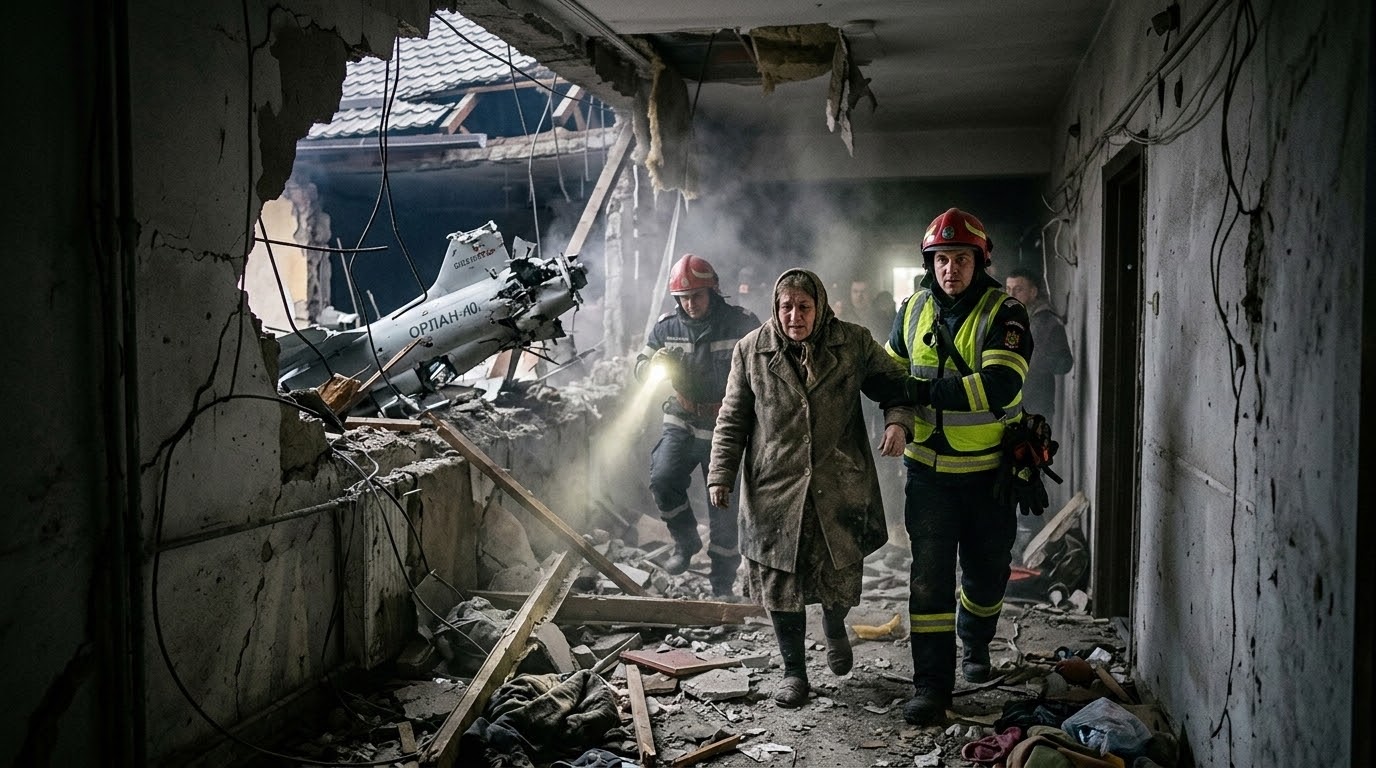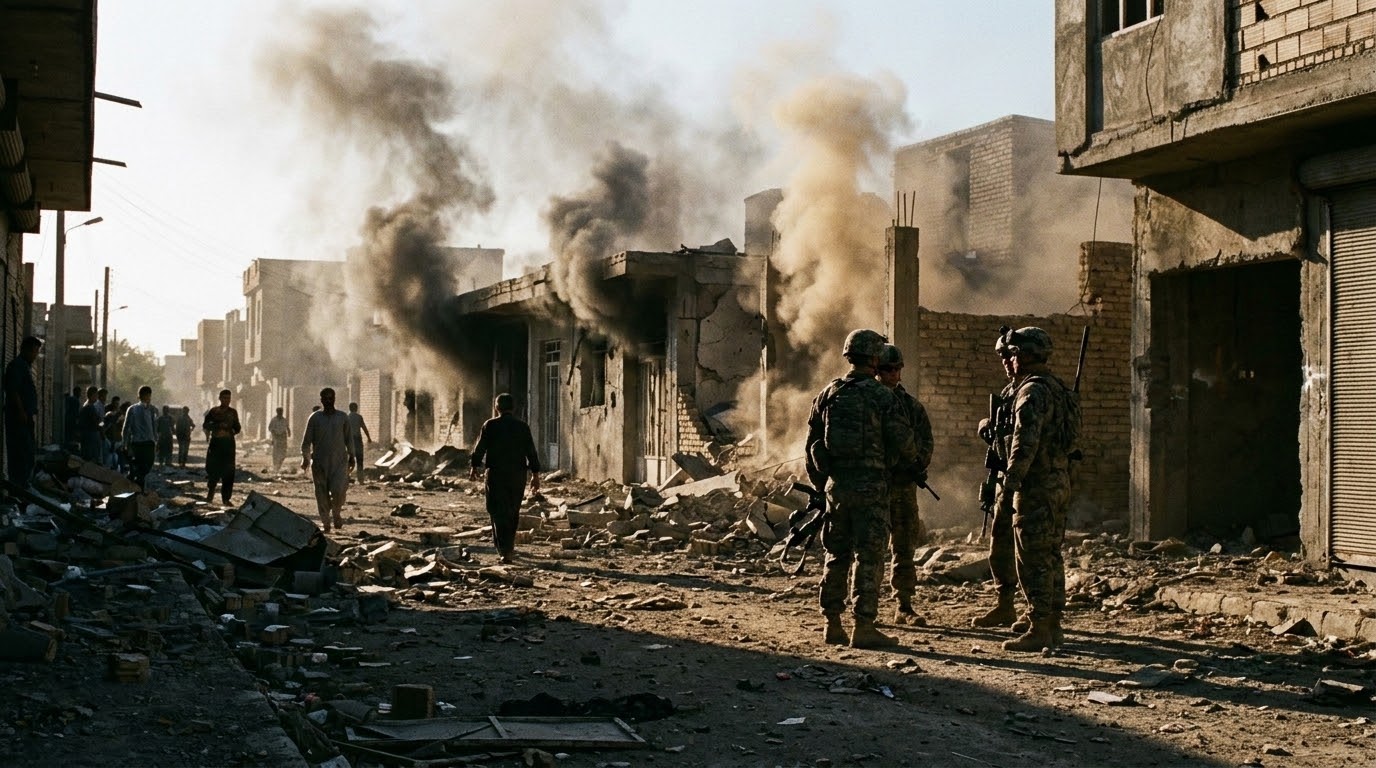
The United States military said it carried out fresh strikes in southern Iran, targeting missile positions and boats allegedly preparing to lay naval mines near Bandar Abbas, as ceasefire-era tensions continue. The operation matters because it tests the durability of current truce arrangements while negotiators still pursue a possible political settlement.
What Happened
US Central Command announced the operation and said it was conducted in self-defense to shield American personnel from what it described as threats by Iranian forces. In official remarks, Central Command spokesperson Capt Tim Hawkins said US forces were continuing to protect troops while exercising restraint during the ongoing ceasefire period.
According to Hawkins, the strikes focused on an area close to Bandar Abbas, the key southern port city that hosts an Iranian naval base on the Strait of Hormuz. The New York Times reported the location details, while Iranian state outlets earlier said local authorities in Bandar Abbas were examining reports of explosions in the area.
There was no immediate official Iranian response to the latest US action. The strike announcement came as Iranian foreign ministry spokesperson Esmail Baqai said negotiations with Washington had advanced on many issues but cautioned that a final agreement to end the conflict was not close. Over the weekend, President Donald Trump suggested progress toward a deal, then said he had instructed negotiators not to hurry. US Secretary of State Marco Rubio also said an accord could potentially be reached on Monday.
Impact & Consequences
The latest military action adds pressure to an already unstable security environment around one of the world’s most strategically important shipping corridors. Even if framed as limited and defensive, strikes near Bandar Abbas risk escalating mistrust at a moment when both governments are publicly signaling that diplomacy is still active. Any perceived violation of restraint can harden political positions in Tehran and Washington and complicate negotiators’ room for compromise.
For energy markets and maritime stakeholders, the central concern is whether military exchanges near the Strait of Hormuz could disrupt shipping again. Iran has maintained controls over Gulf transit through the strait, and the US Navy has sought to block Iranian ports, creating a high-risk operating environment for commercial vessels and insurers. Renewed hostilities could quickly revive fears of supply interruptions and price volatility, with broader effects for import-dependent economies and regional governments that rely on stable energy trade.
Background & Context
US and Iranian forces have observed a ceasefire since 8 April, but both sides have continued military posturing in and around the Gulf. That pause followed a major escalation that began on 28 February, when the United States and Israel carried out broad strikes across Iran. Tehran then responded with attacks on Israel and US-aligned Gulf states and effectively shut the Strait of Hormuz, triggering a sharp global rise in oil prices.
Since then, diplomacy has proceeded in parallel with military deterrence. Iranian officials have repeatedly said progress has been made in talks yet stopped short of predicting a near-term signing. Baqai said many core discussion points had reached conclusions but rejected claims that a final deal was imminent. Reuters reported that Iran’s top negotiator and its foreign minister traveled to Doha for meetings with Qatar’s prime minister, underscoring that regional mediation remains central to any pathway toward de-escalation.
International Response
Public reactions have so far centered on caution rather than celebration. Washington has framed the operation as defensive and limited, emphasizing troop protection under ceasefire conditions. Tehran, at least immediately after the strikes, had not issued a formal response, leaving uncertainty over whether it will treat the incident as an isolated action or a breach requiring retaliation.
Diplomatic messaging from both sides has remained mixed: US officials have spoken of possible near-term progress, while Iranian spokespeople have publicly tempered expectations. Regional intermediaries, particularly Qatar, continue to play a visible role as hosts and facilitators of dialogue. The broader international community is watching whether security incidents around the Strait of Hormuz can be contained long enough for negotiations to produce enforceable terms.
What to Expect Next
Attention now turns to two parallel tracks: whether either side answers militarily after the Bandar Abbas strikes, and whether negotiators can preserve momentum in talks despite the new incident. Statements from Tehran, Washington, and mediators in Doha are likely in the coming days. The key open question is whether this operation becomes a temporary flare-up inside a fragile truce, or the start of another escalation cycle.