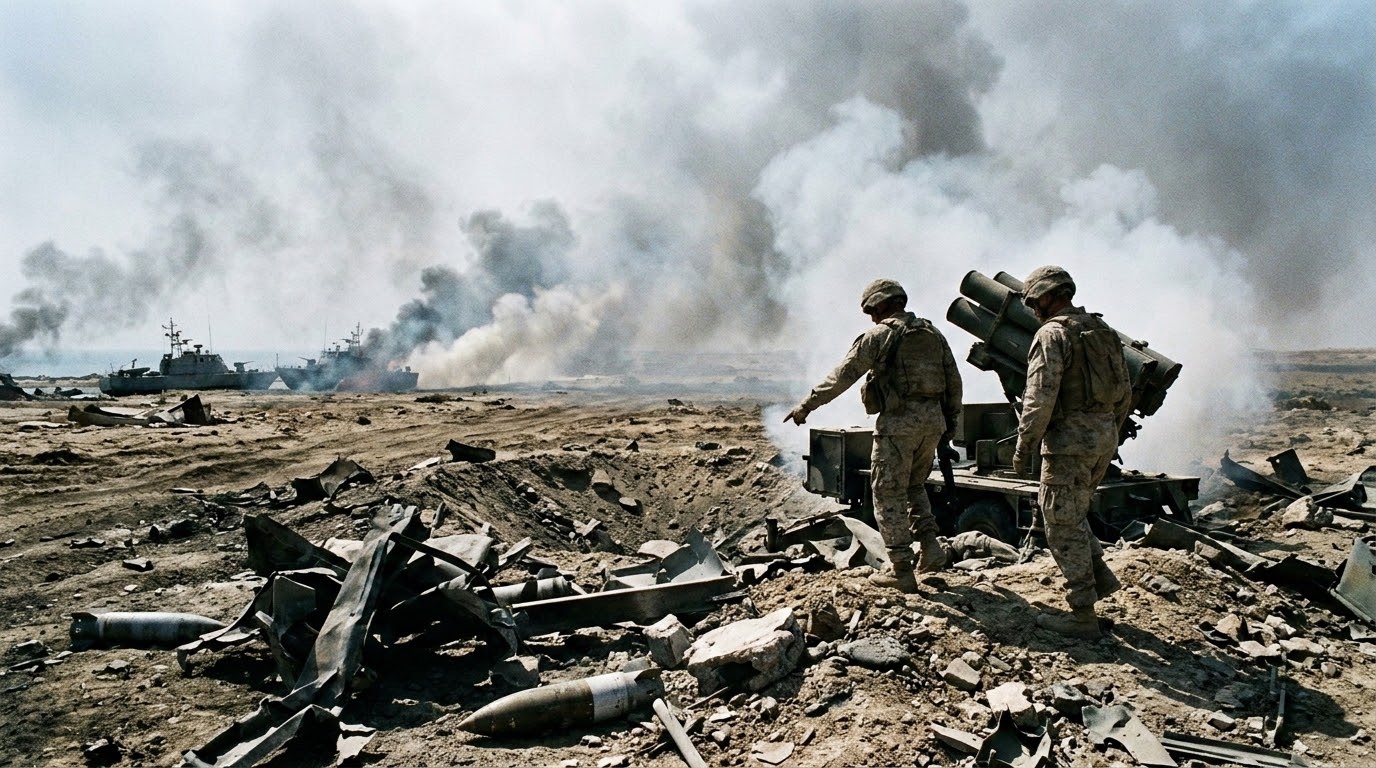
The United States launched new military strikes in southern Iran on Monday, saying it targeted missile positions and vessels allegedly attempting to lay mines near the Strait of Hormuz, a vital global shipping route. Washington described the operation as defensive, but the action raises fresh uncertainty around ongoing ceasefire diplomacy with Tehran.
What Happened
US Central Command said the attacks were conducted in self-defense to shield American personnel from what it called threats posed by Iranian forces. Capt Tim Hawkins, a Central Command spokesperson, said US forces were continuing to protect troops while exercising restraint during the ceasefire that has been in place since 8 April.
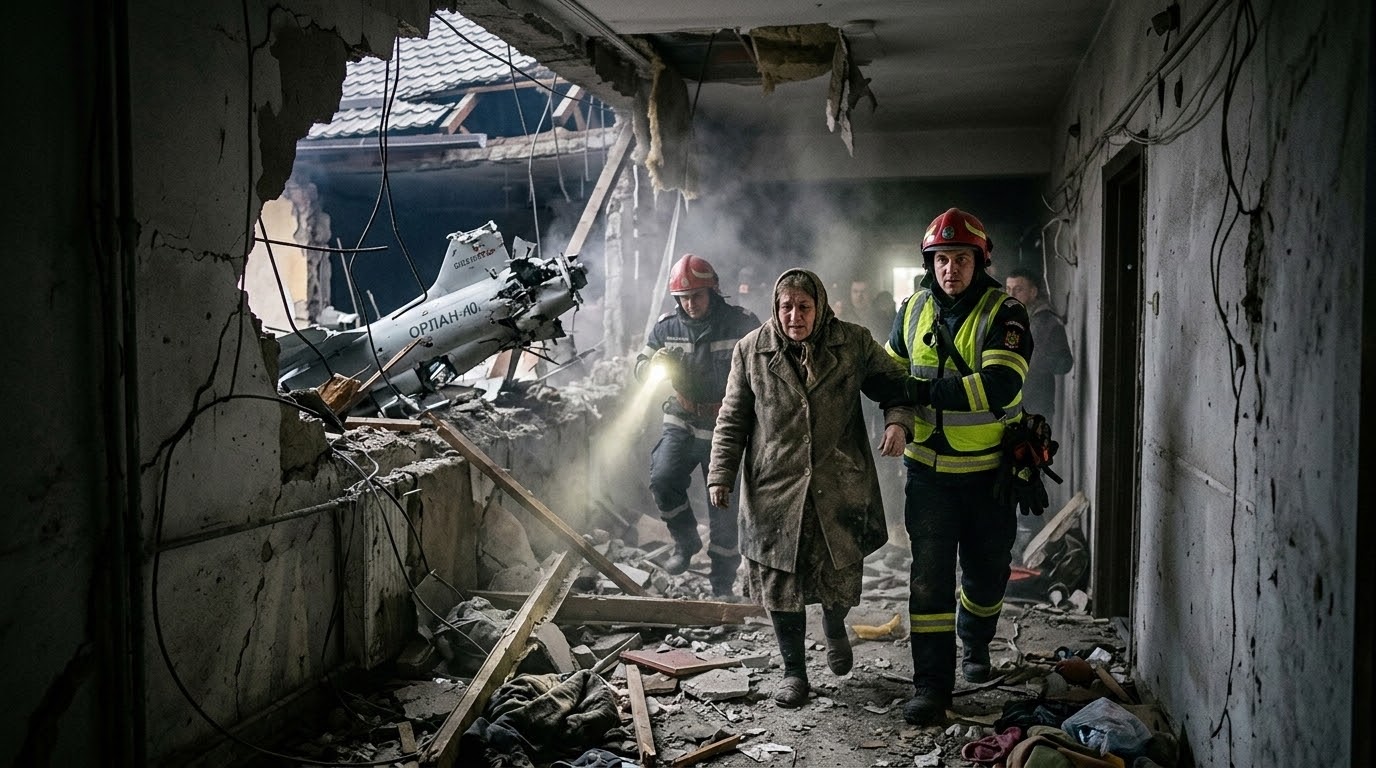
According to US officials cited by major American media, the operation took place near Bandar Abbas, a key southern Iranian port that hosts an Iranian naval base and sits adjacent to the Strait of Hormuz. Iranian state media reported that explosions were heard in the area and that local authorities had begun investigating. Tehran had not formally responded to the strike at the time of publication.
The military action came as diplomatic contacts continued. Speaking during a visit to India, US Secretary of State Marco Rubio said negotiations remained possible and referenced talks held Tuesday between Iran’s foreign minister and chief negotiator and Qatar’s prime minister. Rubio said technical language in an initial draft was still under discussion and warned progress would likely take several days. He also reiterated Washington’s position that passage through the strait must remain open.
Impact & Consequences
The strikes underscore how quickly military pressure and diplomacy are now moving in parallel, with each development carrying immediate implications for energy markets and regional security. The Strait of Hormuz handles a major share of global oil and gas exports, and any renewed disruption could revive price volatility seen earlier in the conflict. Even limited naval incidents in the corridor can trigger broader commercial caution, insurance increases, and shipping reroutes.
Politically, the operation complicates confidence-building measures needed for a broader agreement. US officials say the action was defensive and compatible with the ceasefire, but Tehran may interpret it as escalation at a delicate phase of talks. Negotiators are already dealing with difficult files, including sanctions relief, access to frozen Iranian funds, and constraints on Iran’s nuclear activities. Additional military exchanges could narrow the room for compromise just as both sides are trying to finalize a preliminary framework.
Background & Context
The current confrontation traces back to a wider war that began on 28 February, when the US and Israel carried out extensive strikes on Iranian targets. Iran retaliated with attacks against Israel and US-aligned Gulf states and effectively closed the Strait of Hormuz, driving a sharp rise in global oil prices. Since the 8 April ceasefire, maritime tensions have remained high, with Iran maintaining controls affecting Gulf shipping and the US Navy seeking to pressure Iranian ports.
A naval confrontation in May between US and Iranian destroyers in the Strait of Hormuz further exposed the truce’s fragility, with each side blaming the other. Diplomatic efforts have focused on a reported memorandum that would extend the ceasefire by 60 days, reopen the strait, and establish a path for further nuclear negotiations. At the center of those talks is Iran’s stockpile of uranium enriched to 60% purity, estimated at about 440kg at the start of the war—material that can be further refined to weapons-grade levels. President Donald Trump has said that uranium should either be transferred to the US immediately or destroyed inside Iran in coordination with Tehran.
International Response
Iranian foreign ministry spokesperson Esmail Baqai said recent discussions had resolved much of the agenda but cautioned that no one could claim an agreement was close. His comments reflected a recurring gap between public optimism from Washington and Tehran’s insistence that major hurdles remain. Iranian officials have not issued a definitive public response to Monday’s strikes, leaving unclear whether they will treat them as a ceasefire violation.
From Washington, Rubio struck a dual message of deterrence and diplomacy, emphasizing both freedom of navigation and the possibility of a negotiated outcome. Qatar has continued to play a facilitation role through high-level contacts. US media reports citing intelligence assessments have also suggested decision-making in Tehran may be slowed by uncertainty around Supreme Leader Mojtaba Khamenei’s location and condition after an earlier Israeli strike that reportedly killed his predecessor, potentially complicating communication between Iranian leadership and negotiators.
What to Expect Next
Attention will now focus on whether technical talks produce a draft understanding in the coming days and whether both militaries avoid further incidents near Hormuz. Any progress is expected to be incremental rather than a final settlement, with core disputes likely deferred to later rounds. The central test is whether the ceasefire can hold long enough for negotiators to bridge differences on shipping security, sanctions, and nuclear limits.