The man shot dead by Secret Service officers after opening fire near the White House on Saturday evening had previously confronted federal security personnel at the same location, according to court records. The new details raise urgent questions about how repeat threats around one of the world’s most protected sites were tracked and managed.
What Happened
Authorities identified the suspect as Nasire Best of Dundalk, Maryland, according to Washington’s Metropolitan Police Department, which confirmed his identity to the BBC. Investigators say Best began shooting shortly after 6:00 p.m. Eastern time on Saturday at a Secret Service checkpoint near 17th Street and Pennsylvania Avenue NW, close to the Eisenhower Executive Office Building. Officers stationed there returned fire, striking him. He was transported to hospital and later pronounced dead.
A civilian nearby was also hit during the exchange, though officials have not released that person’s identity or medical condition. The Secret Service said no personnel were injured. President Donald Trump was inside the White House at the time of the gunfire, but officials said no protected individuals were harmed and operations tied to presidential security were not disrupted.
Video journalists positioned outside the White House were seen taking cover as shots rang out. In a social media post later that evening, Trump thanked Secret Service and law enforcement for what he described as rapid, professional intervention. The scene was secured within minutes, but the incident triggered immediate street closures and a large emergency response in the surrounding federal district.
Impact & Consequences
The shooting is likely to intensify federal review of perimeter security and threat assessment procedures around the White House complex, especially where individuals have prior documented contact with protective agencies. Court documents indicate Best had already been arrested for unlawful entry on federally controlled property and was later subject to a no-bond bench warrant after failing to appear in court, a pattern that is now central to questions about risk escalation.
For Washington residents, tourists, and media workers regularly gathered near the White House gates, the event reinforces the unpredictability of violence in highly visible public security zones. For federal authorities, the episode underscores a broader challenge: balancing public access and transparency at symbolic democratic sites while addressing individuals who repeatedly test barriers, present mental health concerns, and later return with potentially lethal intent.
Background & Context
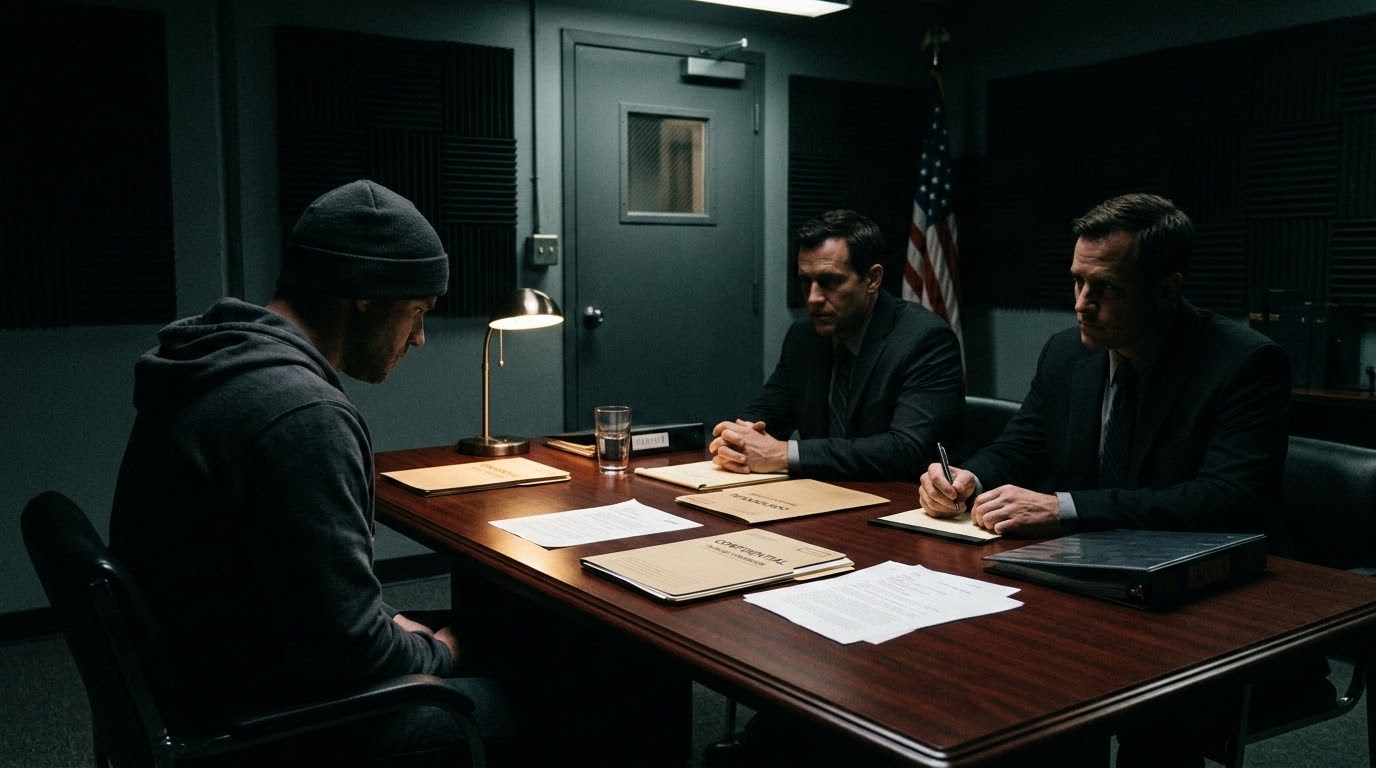
Records cited in the case show Best first drew Secret Service attention in June 2025 when he blocked an entry lane at the White House and told agents he was Jesus Christ. He was referred for a mental health evaluation following that encounter. About a month later, in July, he again attempted to enter the White House area and was arrested, then charged with illegal entry onto restricted federal property.
After arraignment, he was released, but in August 2025 he did not appear for a scheduled status hearing, prompting a no-bond bench warrant that authorized his arrest. Saturday’s shooting came less than a year after those incidents and about one month after another gun attack disrupted the White House Correspondents’ Dinner, when attendees were evacuated and Trump was escorted from the venue. Taken together, the episodes suggest a period of heightened security stress around high-profile political events in Washington.
International Response
No formal foreign-government condemnation had been publicly detailed in the immediate aftermath, but incidents involving violence at the White House are closely monitored by allied capitals and diplomatic missions because they are viewed as indicators of U.S. domestic stability and executive security resilience. Embassies in Washington typically review local movement advisories after major incidents near federal zones, particularly when road closures and police operations affect nearby diplomatic routes.
Security specialists outside the United States have also pointed to the case as an example of a recurring global challenge: identifying when repeated low-level confrontations around protected institutions may escalate into armed attacks. Analysts note that many countries face similar policy gaps at the intersection of policing, court compliance, and mental health intervention, especially in capital districts where symbolic targets remain open to the public.
What to Expect Next
Investigators are expected to continue reconstructing the timeline of Best’s previous interactions with federal authorities, including why existing legal and behavioral warning signs did not prevent his return with a weapon. Officials will likely release additional information on the injured bystander and ballistic findings. In the near term, temporary adjustments to patrol patterns and checkpoint protocols around the White House perimeter are expected as agencies review lessons from the attack.