India’s Zee Entertainment said Tuesday it is in active discussions with FIFA to secure television and streaming rights for the 2026 World Cup, a significant development as negotiations with a Reliance-Disney joint venture remain stuck just weeks before the tournament begins on June 11. The potential deal matters because India is among football’s largest audience markets outside traditional powerhouses.
What Happened
Zee disclosed the talks in a corporate statement tied to the launch of Unite8 Sports, a new portfolio of sports channels intended to deepen the company’s live sports presence. The broadcaster did not reveal financial terms or indicate whether discussions cover only the 2026 edition or include future tournament cycles. FIFA has not publicly announced a final India partner so close to kickoff, leaving one of the world’s biggest media territories unresolved.
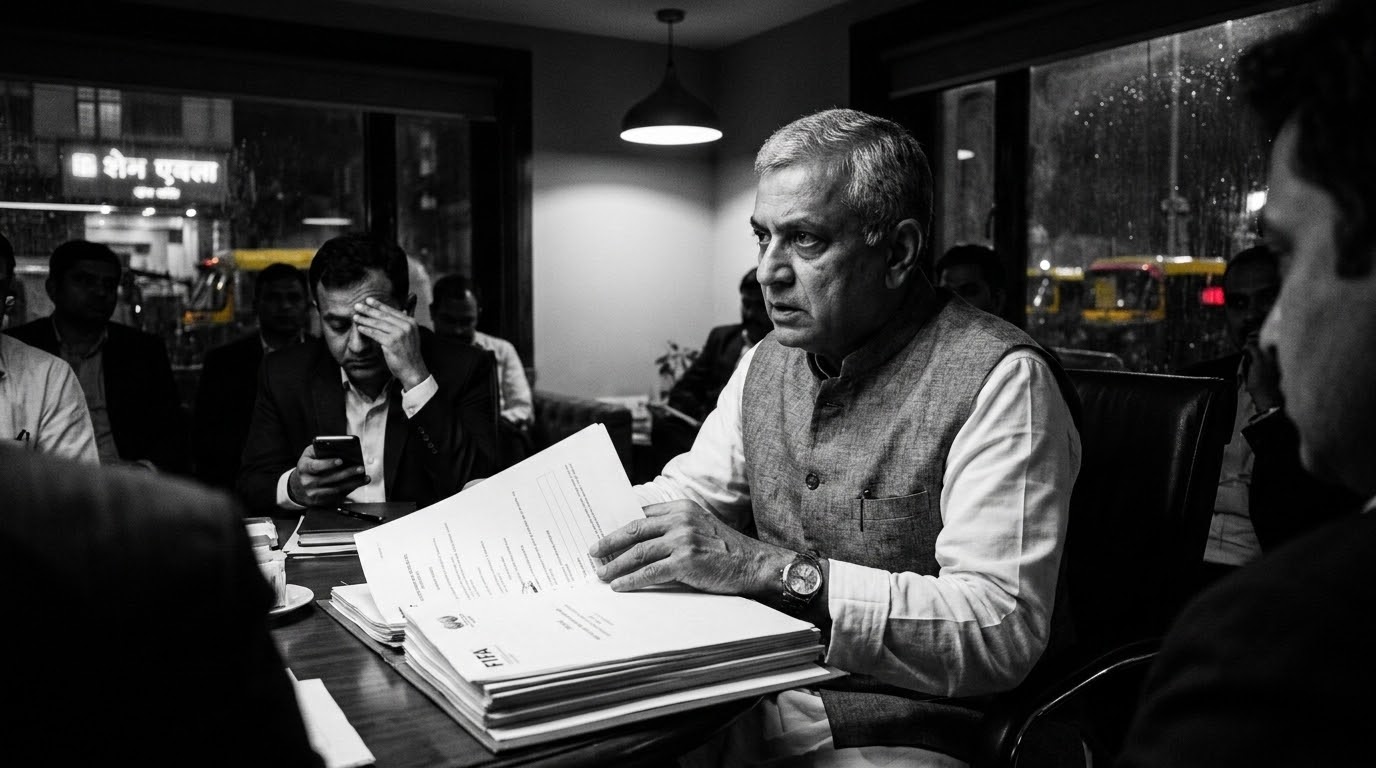
The timing is notable because talks between FIFA and the Reliance-Disney venture have reportedly reached an impasse. Reuters previously reported that FIFA initially targeted around $100 million for Indian rights across the 2026 and 2030 World Cups, later lowering expectations to roughly $60 million as discussions progressed. That figure is still well above the reported $20 million proposal from Reliance-Disney, led by Reliance Industries chaired by billionaire Mukesh Ambani.
Another major contender, Sony, also held conversations over India rights but ultimately chose not to submit a bid. The absence of multiple active offers appears to have narrowed FIFA’s immediate options in a market that combines vast reach with tough price sensitivity. FIFA has said it has already completed broadcast agreements in more than 180 territories, underscoring how unusual India’s unresolved status is this near the start of the competition.
Impact & Consequences
A rights agreement with Zee could quickly alter India’s sports media landscape. For Zee, World Cup rights would provide a high-profile anchor for Unite8 Sports, potentially boosting subscription sales, advertising rates, and bargaining power with distribution platforms. For FIFA, a late but premium deal in India would protect revenue goals while preserving visibility in a country that delivers large cross-platform consumption even without a dominant domestic football league.
If negotiations remain delayed, the biggest risk is market confusion for viewers and advertisers. Brands typically lock major campaign placements weeks in advance for global tournaments, and uncertainty can suppress spending commitments or push advertisers toward competing entertainment inventory. A delayed rights announcement could also create pressure for temporary or last-minute distribution arrangements, affecting audience access across broadcast television and digital platforms at the start of the event.
Background & Context
India’s relevance to FIFA has grown steadily as football viewership expands beyond core markets in Europe and Latin America. FIFA data from the 2022 Qatar World Cup showed India contributed 2.9% of global linear television reach, second only to China in overall engagement metrics. More than 745 million people in India reportedly followed the tournament across media channels, reflecting broad interest despite India not qualifying for the finals.
On television alone, India ranked among the top 10 countries with close to 84 million viewers, according to FIFA figures, ahead of several participating nations including Germany, France, and England. Those numbers explain why rights pricing has become a central point of friction: FIFA sees strong monetization potential, while Indian broadcasters remain cautious on cost recovery in a market where digital migration, fragmented audiences, and ad-yield volatility have changed traditional sports-rights economics.
International Response
FIFA has not publicly detailed India-specific negotiations in this latest phase, but its broader messaging has emphasized near-complete global distribution for the 2026 event. By highlighting completed agreements in over 180 territories, the governing body has signaled confidence in the tournament’s commercial pull while implicitly stressing the importance of closing remaining major markets such as India.
Industry observers tracking global sports rights note that India is increasingly treated as a strategic growth territory rather than a secondary add-on market. The involvement of groups such as Reliance-Disney, Sony, and now Zee indicates strong competitive interest, even if valuation gaps persist. International advertisers and media agencies are also watching closely, since India’s scale can materially influence global campaign planning for multinational brands during World Cup windows.
What to Expect Next
With the opening match set for June 11, negotiations are likely to intensify in the coming days. The key question is whether FIFA accepts a lower valuation, secures improved terms from Zee or another bidder, or pursues an interim solution to avoid disruption. Any final agreement will shape not only World Cup access for Indian audiences but also future pricing benchmarks for the 2030 cycle and other premium football properties in the country.